


What Are the Best Practices for Installing Outdoor Porcelain Tiles: A Complete Expert Guide
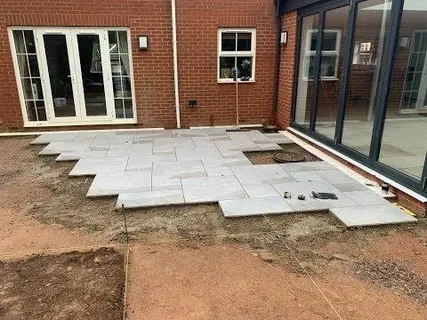
The demand for sophisticated outdoor living spaces has surged dramatically in recent years, transforming patios, driveways, and pool decks into extensions of the home. Homeowners and business owners alike are moving away from traditional wood and concrete in favor of more durable, aesthetically pleasing materials. Among the top choices, porcelain stands out for its exceptional strength, low maintenance, and wide array of designs. However, the longevity and visual appeal of these surfaces depend entirely on the quality of the workmanship. Understanding outdoor porcelain tile installation is crucial, as these tiles require specific techniques distinct from indoor tiling or other outdoor materials. Improper methods can lead to cracking, efflorescence, or tiles that simply do not stand up to the elements. This guide will walk you through the essential practices to ensure a flawless and lasting finish.
The importance of mastering these techniques cannot be overstated for professionals and DIY enthusiasts. As the market for high-end landscaping and hardscaping grows, the margin for error shrinks. Clients expect a pristine finish that withstands frost, heat, and heavy foot traffic. The key to achieving this lies in preparation, the correct choice of materials, and precise execution. By adhering to industry standards, you ensure that the investment in premium materials is protected. Whether you are a contractor looking to refine your skills or a property owner planning a renovation, this article provides the comprehensive insights needed to navigate the complexities of outdoor porcelain tile installation successfully.
Understanding Outdoor Porcelain Tile Installation and Its Importance
To truly appreciate the installation process, one must first understand the nature of the material itself. Outdoor porcelain tiles are not merely thicker versions of indoor tiles; they are engineered to withstand extreme weather conditions. They typically have a water absorption rate of less than 0.5%, making them highly resistant to frost and moisture damage. This low porosity is what makes them ideal for outdoor use, but it also makes them heavy and dense. The installation process must account for these properties, ensuring that the bond between the tile and the substrate is strong enough to handle thermal expansion and contraction without failing. Unlike standard ceramic tiles, porcelain requires a more robust approach to adhesion, often necessitating specific mortars and grouts designed for large-format, low-absorption materials.
Furthermore, the importance of proper installation goes beyond mere aesthetics; it is a matter of safety and structural integrity. An improperly installed outdoor floor can become a tripping hazard if tiles become loose or if the surface is uneven. In commercial settings, such as hotels or restaurants, the durability of the floor is directly linked to liability and maintenance costs. A correctly installed porcelain surface can last for decades with minimal upkeep, whereas a poor installation might require costly repairs within a year. Therefore, investing time in learning the nuances of outdoor porcelain tile installation is an investment in the longevity and safety of the property, ensuring that the surface remains functional and beautiful for years to come.
Importance of Professional Outdoor Porcelain Tile Installation
While the idea of a DIY project is appealing, the complexity of installing outdoor porcelain tiles often necessitates professional expertise. The primary reason is the substrate preparation. Unlike indoor floors, outdoor surfaces are subject to movement, settling, and water drainage issues. Professionals understand how to prepare a base that is not only level but also stable and porous enough to handle water runoff. They utilize specialized tools such as uncoupling membranes and drainage mats that are rarely used in DIY projects. These layers are critical for decoupling the tile from the substrate, allowing for movement without transferring stress to the tile, which prevents cracks. Without this professional insight, a homeowner risks installing a beautiful surface that fails after the first freeze-thaw cycle.
Additionally, the choice of adhesive and grout is a science in itself. Outdoor environments demand materials that can flex and breathe. Professionals know that standard thin-set is often insufficient for outdoor porcelain, especially in freeze-thaw climates. They opt for high-performance, polymer-modified mortars and epoxy grouts that resist staining and cracking. The precision required to lay large-format tiles with consistent, narrow grout lines also requires a level of skill that comes with experience. By hiring a professional, you ensure that the installation meets industry standards and manufacturer specifications, which is often required to maintain product warranties. This expertise guarantees that the outdoor porcelain tile installation is not just a surface covering but a permanent, durable architectural feature.
Services and Features Related to Outdoor Porcelain Tile Installation
A comprehensive installation service involves much more than simply laying tiles on the ground. It begins with a detailed site assessment to evaluate drainage patterns, soil stability, and the intended use of the space. High-quality services often include the installation of a sub-base, which might consist of compacted gravel, a concrete slab, or a raised pedestal system. For modern, elevated decks, pedestal systems are increasingly popular as they allow for instant drainage and easy access to underlying utilities. The service also encompasses the cutting of tiles, which requires diamond-blade wet saws to achieve clean edges on dense porcelain. Furthermore, professionals offer sealing services, although many modern porcelains are inherently stain-resistant, sealing the grout lines is a common practice to prevent mildew and discoloration.
Another critical feature of professional service is the management of expansion joints. Outdoor surfaces expand and contract with temperature changes, and if there is no room for this movement, the tiles will buckle or crack. Professionals strategically place expansion joints throughout the layout, often filled with flexible sealant rather than rigid grout. They also ensure that the slope of the patio is correct, typically a 1-2% gradient away from the building, to prevent water pooling. These details are often overlooked in amateur installations but are standard features of a professional service. When you invest in expert outdoor porcelain tile installation, you are paying for these invisible but vital elements that ensure the surface performs well under stress and remains stable over time.
Choosing the Right Outdoor Porcelain Tile Installation Experts
Selecting the right contractor is arguably the most critical step in the process. Not all tilers are created equal; there is a significant difference between someone who lays indoor kitchen backsplashes and a specialist who understands outdoor hardscaping. When vetting potential experts, look for a portfolio that showcases completed outdoor projects, particularly those involving large-format tiles or complex patterns. Experience with different substrates, such as concrete versus sand, is also a key indicator of competence. A reputable contractor will be transparent about their methods, explaining the specific underlayment and adhesives they plan to use. They should also be willing to provide references and show proof of insurance, protecting you from liability in case of accidents on the job site.
Moreover, communication and attention to detail are vital traits to look for. A good installer will discuss the layout with you beforehand, helping you decide on the pattern such as a running bond, herringbone, or stack bond—and the placement of the first tile, which sets the tone for the entire project. They should also be knowledgeable about the specific requirements of the tiles you have chosen, as some manufacturers recommend specific installation products. Price should not be the sole deciding factor; a slightly higher quote from a skilled professional is far more cost-effective in the long run than a cheap job that needs to be redone. By choosing a specialist in outdoor porcelain tile installation, you secure the quality and craftsmanship that the project deserves.
Quality, Safety, and Industry Standards
Adherence to industry standards is what separates a professional job from a makeshift one. Organizations such as the Tile Council of North America (TCNA) and the International Organization for Standardization (ISO) provide guidelines that govern the installation of tile. These standards cover everything from the required thickness of the mortar bed to the minimum cure times before foot traffic is allowed. For outdoor installations, the standards emphasize the importance of using mortars that meet ANSI A118.4 or A118.15 requirements, which ensure high bond strength and flexibility. Ignoring these standards can void warranties and lead to catastrophic failures. Safety is also paramount; ensuring the surface is slip-resistant is a major consideration, especially around pools or in rainy climates. Tiles with a higher Coefficient of Friction (COF) rating should be selected to prevent slips and falls.
Furthermore, compliance with local building codes is non-negotiable. Many municipalities have specific requirements regarding drainage and the height of exterior surfaces relative to the home's foundation. A professional installer will be well-versed in these local regulations and will ensure the project passes any necessary inspections. Quality control is an ongoing process throughout the installation, with the installer checking for lippage (uneven tiles), ensuring the mortar coverage is sufficient, and verifying that the grout lines are uniform. These checks are essential for a finish that is not only visually appealing but structurally sound. By prioritizing standards and safety, the outdoor porcelain tile installation becomes a reliable and permanent asset to the property, rather than a potential hazard.
Benefits of Hiring Professional Services
The benefits of hiring a professional for this task extend well beyond the physical installation. One of the most significant advantages is time savings. Installing outdoor tiles is labor-intensive and time-consuming, often requiring days of prep work before a single tile is laid. Professionals have the crew and equipment to complete the job efficiently, minimizing disruption to your daily life or business operations. Another major benefit is the access to high-end equipment. Contractors use specialized mixers, laser levels, and large-format tile cutters that most homeowners do not possess. Renting this equipment and learning to use it effectively would eat into any potential savings from a DIY approach.
Perhaps the most compelling benefit is the warranty and peace of mind. Professional installation companies typically offer a workmanship warranty, meaning if something goes wrong due to installation error, they will fix it. This is something you do not get with a DIY job. Additionally, professional installation ensures that the manufacturer's warranty on the tiles remains valid, as many manufacturers require installation by a licensed professional. The financial protection and the guarantee of a high-quality finish make hiring a pro a wise decision. The cost of professional outdoor porcelain tile installation is an investment that adds value to the property and eliminates the stress and risk associated with such a complex and permanent construction project.
Future Trends and Industry Development
The world of hardscaping is constantly evolving, and the trends in outdoor porcelain installation are shifting towards more innovative and sustainable practices. One emerging trend is the use of pedestal systems for roof decks and balconies. This method involves placing tiles on adjustable pedestals rather than adhering them to the substrate, allowing for perfect leveling and hidden drainage. This is particularly popular in urban environments where weight and drainage are critical concerns. Another trend is the rise of large-format and extra-large-format tiles, which create a seamless, monolithic look with fewer grout lines. However, installing these giants requires even more skill and specialized handling equipment, pushing the demand for highly trained installers. There is also a growing focus on sustainable materials and installation methods that reduce the carbon footprint of the project.
Technological advancements are also playing a role. The development of new, rapid-setting adhesives and lightweight mortars is making installation faster and easier, while still maintaining high performance. We are also seeing a rise in "cool" tiles designed to reflect heat, making outdoor spaces more comfortable in hot climates. As the industry moves forward, the emphasis will remain on durability and aesthetics, but with a stronger nod to environmental responsibility and technical precision. Keeping abreast of these trends ensures that an outdoor porcelain tile installation is not just up to current standards but is also future-proofed against the changing demands of the market and the environment.
Conclusion
In conclusion, creating a stunning and durable outdoor space with porcelain tiles is a multifaceted project that demands respect for preparation, materials, and technique. From understanding the unique properties of the material to navigating the complexities of drainage and expansion, every step is critical to the final outcome. While the allure of a DIY project is understandable, the risks associated with improper installation ranging from cracked tiles to safety hazards often outweigh the potential savings. Adhering to best practices, utilizing the right tools, and respecting industry standards are the pillars of a successful project. Ultimately, ensuring a high-quality outdoor porcelain tile installation is the key to unlocking the full potential of your outdoor area, providing a beautiful, safe, and long-lasting surface that enhances the value and enjoyment of your property for decades. Trusting the expertise of seasoned professionals is not just a convenience; it is the surest path to a flawless finish.
- Ask Nguza
- Food and Recipes
- Lifestyle
- Parenting
- Education
- Career & Business
- Sports
- Entertainment
- Marketing & Blogging
- Travel
- Confessions / Anonymous Talk
- Local News & Gossip
- Memes & Fun
- Art
- Hot Topics / Trending
- Causes
- Crafts
- Dance
- Drinks
- Film
- Fitness
- Food
- Jeux
- Gardening
- Health
- Domicile
- Literature
- Music
- Networking
- Autre
- Party
- Religion
- Shopping
- Sports
- Theater
- Wellness
- Personal Development
- Technology
- Finance
 French
 English
 Arabic
 Spanish
 Portuguese
 Deutsch
 Turkish
 Dutch
Dutch
 Italiano
 Russian
 Romaian
 Portuguese (Brazil)
 Greek
Greek
