


Shopping Addiction Treatment in India | Professional Counseling & Support
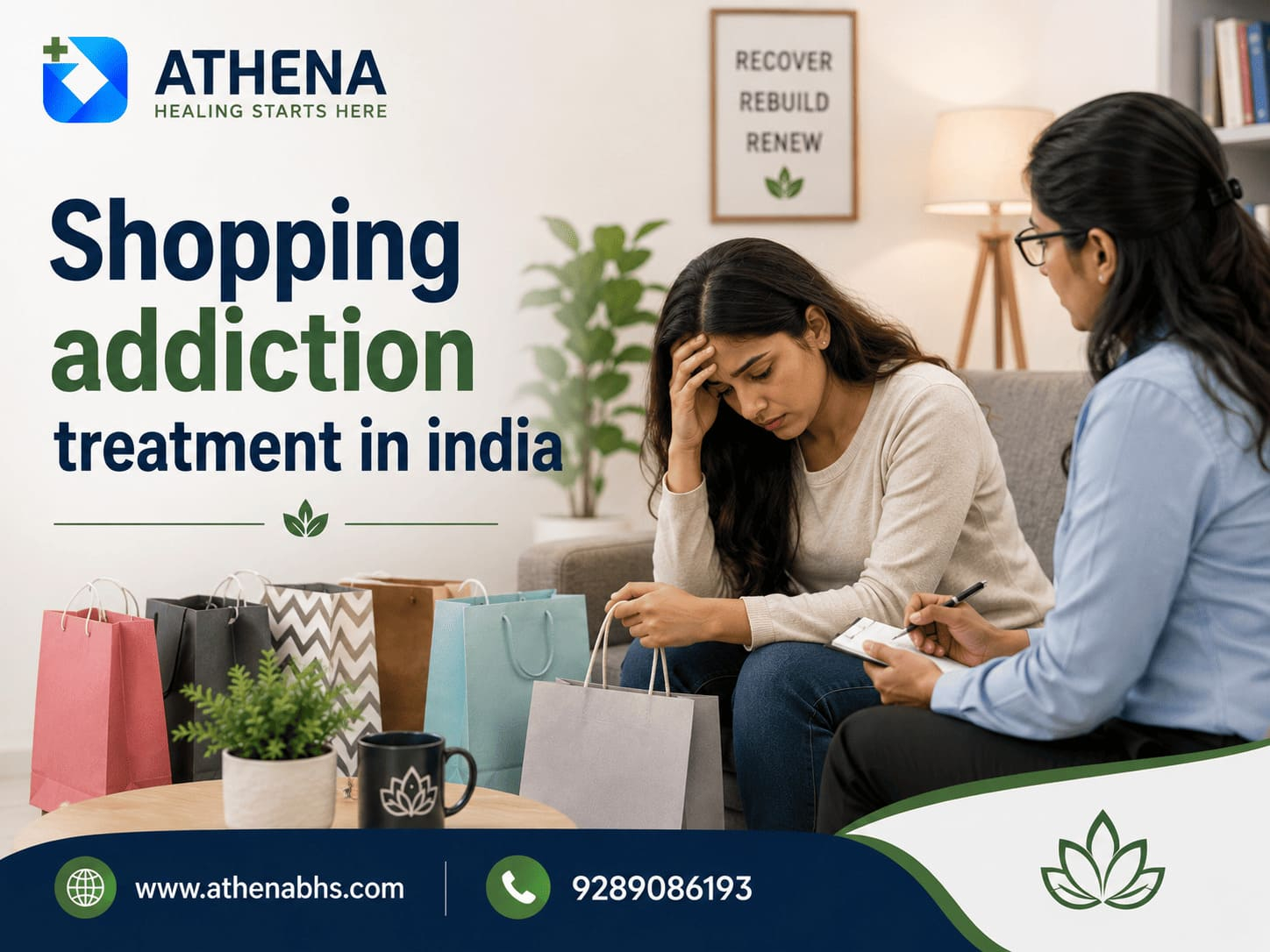
Shopping can be an enjoyable part of everyday life, but for some individuals, buying becomes difficult to control and begins to create emotional, financial, social, or personal problems. Repeatedly purchasing unnecessary items, shopping to manage difficult emotions, hiding purchases, or experiencing distress after spending may indicate problematic shopping behavior.
Shopping addiction treatment in India focuses on understanding the psychological and behavioral factors behind compulsive shopping and helping individuals develop healthier ways to manage emotions, impulses, and spending habits. Professional counseling can provide structured support for people who feel unable to control their shopping despite experiencing negative consequences.
What Is Shopping Addiction?
Shopping addiction, sometimes referred to as compulsive buying behavior, involves a persistent urge to shop or purchase items even when shopping is causing problems. A person may experience temporary excitement or relief while shopping, followed by guilt, regret, anxiety, or financial stress.
Shopping addiction is different from occasional overspending. The concern arises when shopping becomes repetitive, difficult to control, and disruptive to everyday life.
Individuals may shop online or in physical stores. Modern digital shopping platforms can make purchases particularly easy because products are available around the clock and promotions, notifications, and personalized recommendations can encourage repeated buying.
Common Signs of Shopping Addiction
Recognizing the warning signs can help individuals seek support at an earlier stage. Common signs may include:
- Frequently buying items that are not needed
- Spending more money than planned
- Shopping as a way to cope with stress, sadness, loneliness, or boredom
- Feeling an intense urge to shop
- Experiencing excitement during shopping followed by guilt or regret
- Hiding purchases or financial activity from family members
- Accumulating unused or unopened products
- Borrowing money or experiencing financial difficulties because of shopping
- Repeatedly attempting to reduce shopping without success
- Spending excessive time browsing shopping websites or applications
- Continuing to shop despite relationship, financial, or emotional problems
These signs do not necessarily mean that every person has a behavioral addiction. A qualified mental health professional can assess the individual's circumstances and determine whether professional treatment is appropriate.
Why Does Shopping Addiction Develop?
There is no single reason why compulsive shopping develops. Psychological, emotional, social, and behavioral factors can contribute to the problem.
Some individuals may use shopping to temporarily escape stress, anxiety, loneliness, low mood, or other uncomfortable emotions. The excitement associated with purchasing something can provide short-term emotional relief. However, this relief may reinforce the behavior and create a cycle of repeated shopping.
Other factors may include low self-esteem, difficulty managing emotions, impulsive behavior, social pressure, easy access to online shopping, and exposure to aggressive marketing.
In some cases, compulsive buying may also occur alongside other mental health or behavioral concerns. This is why a comprehensive assessment is important before developing a treatment plan.
Shopping Addiction Treatment in India
The goal of shopping addiction treatment is not simply to stop a person from shopping. Since purchasing essential goods is part of normal life, treatment generally focuses on developing control, identifying triggers, improving emotional regulation, and creating healthier financial and behavioral habits.
A personalized treatment program may include the following:
Psychological Assessment
Treatment usually begins with an assessment of shopping patterns, emotional triggers, financial consequences, relationships, and overall mental well-being. This helps professionals understand the individual's specific challenges.
Cognitive Behavioral Therapy
Cognitive Behavioral Therapy (CBT) can help individuals identify thoughts and beliefs that contribute to compulsive shopping. Therapy may focus on recognizing triggers, challenging unhelpful thought patterns, managing urges, and developing healthier responses to difficult emotions.
Behavioral Strategies
Practical strategies may be introduced to reduce impulsive purchasing. These can include creating spending boundaries, delaying purchases, maintaining a shopping list, limiting exposure to shopping triggers, and developing structured routines.
Emotional Regulation
When shopping is being used to manage difficult emotions, therapy can help individuals develop healthier coping skills. Relaxation techniques, problem-solving strategies, mindfulness-based approaches, and other therapeutic methods may be considered according to individual needs.
Family Counseling
Compulsive shopping can affect family relationships, particularly when financial problems or hidden purchases create conflict. Family counseling can encourage healthier communication and help relatives understand the behavioral aspects of the problem.
Relapse Prevention
Recovery involves maintaining healthy behavioral changes over time. Individuals may learn to identify high-risk situations and create strategies for managing future urges without returning to harmful shopping patterns.
Choosing Shopping Addiction Treatment Centers
When considering shopping addiction treatment centers, it is important to look for qualified mental health professionals and individualized treatment rather than a one-size-fits-all approach.
A suitable facility should be able to assess the underlying causes of compulsive shopping and provide appropriate counseling or behavioral addiction treatment. Confidentiality, professional qualifications, family support, personalized care, and follow-up services are also important factors to consider.
A shopping addiction treatment center in India may offer structured psychological support for individuals who need professional assistance in managing compulsive buying behavior.
Benefits of Professional Counseling
Professional counseling can help individuals:
- Understand the emotional triggers behind shopping
- Improve impulse control
- Develop healthier coping mechanisms
- Reduce unnecessary spending
- Address guilt and emotional distress
- Improve communication with family members
- Build healthier daily routines
- Develop responsible spending habits
- Reduce the risk of returning to compulsive shopping patterns
The recovery process can vary depending on the severity of the behavior and the presence of other psychological concerns. Consistent participation in treatment and ongoing support can help individuals maintain positive changes.
Why Professional Mental Health Care Matters
Choosing the Best Mental Health Center in India should involve more than looking at facilities or treatment claims. Individuals should consider professional expertise, personalized care, therapeutic approaches, confidentiality, and the availability of appropriate follow-up support.
For people who require broader psychiatric or psychological care, a Best Mental Hospital in India may provide access to multidisciplinary mental health services. However, treatment should always be selected according to the individual's specific clinical needs.
Shopping Addiction Treatment at Athena Behavioral Health
Athena Behavioral Health provides professional mental health and behavioral support in a confidential and supportive environment. Care can be tailored according to an individual's behavioral patterns, emotional concerns, and recovery requirements.
People searching for shopping addiction treatment in India can seek a professional assessment to understand whether compulsive buying is affecting their financial stability, relationships, emotional well-being, or daily functioning.
Take the First Step Toward Healthier Spending
Compulsive shopping can become a cycle of emotional discomfort, purchasing, temporary relief, and regret. Recognizing the problem is an important first step toward change.
With appropriate shopping addiction treatment, individuals can learn to recognize triggers, manage urges, improve emotional coping skills, and develop healthier relationships with money and shopping.
If shopping behavior is becoming difficult to control or is creating significant problems in everyday life, speaking with a qualified mental health professional can help identify appropriate treatment and support options.
- Ask Nguza
- Food and Recipes
- Lifestyle
- Parenting
- Education
- Career & Business
- Sports
- Entertainment
- Marketing & Blogging
- Travel
- Confessions / Anonymous Talk
- Local News & Gossip
- Memes & Fun
- Art
- Hot Topics / Trending
- Causes
- Crafts
- Dance
- Drinks
- Film
- Fitness
- Food
- Giochi
- Gardening
- Health
- Home
- Literature
- Music
- Networking
- Altre informazioni
- Party
- Religion
- Shopping
- Sports
- Theater
- Wellness
- Personal Development
- Technology
- Finance
 Italiano
 English
 Arabic
 French
 Spanish
 Portuguese
 Deutsch
 Turkish
 Dutch
Dutch
 Russian
 Romaian
 Portuguese (Brazil)
 Greek
Greek
