


Hit and Run UK Law Explained: Penalties, and Responsibilities
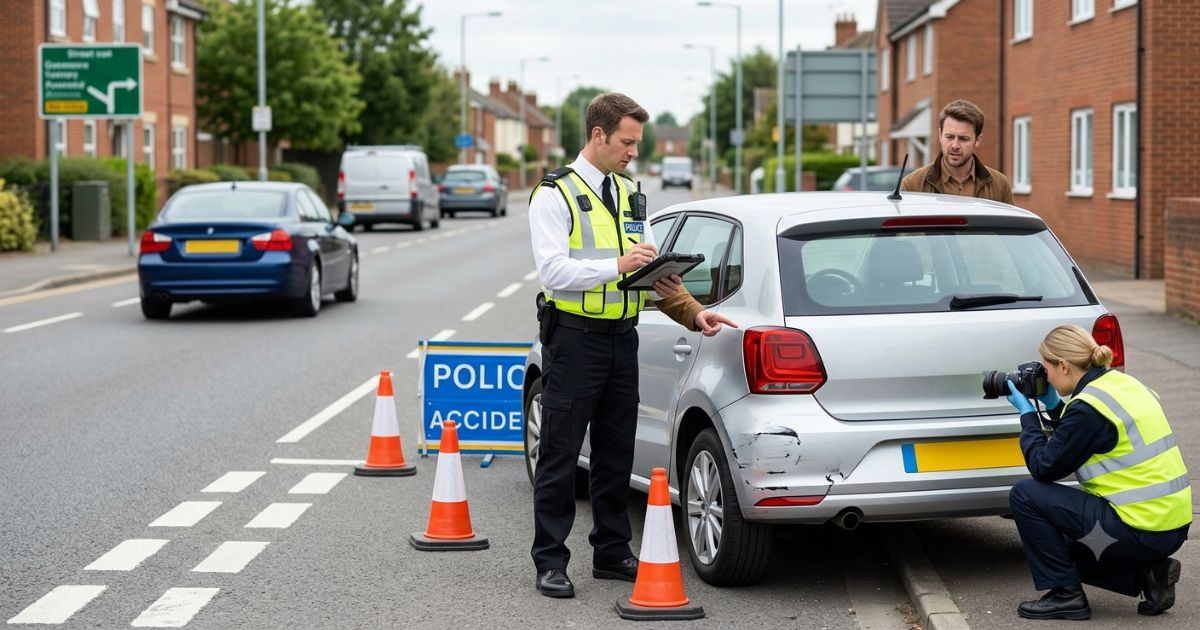
Navigating hit-and-run UK law can be challenging, but understanding your legal responsibilities is essential for every driver. After a collision, failing to stop after an accident can be a serious offence, with potentially significant legal and financial consequences.
Knowing what to do, when to report the incident, and how to respond afterwards can help you avoid making the situation worse.
If you’ve been involved in a road accident and are unsure about your next steps, speaking with an accident claim specialist can help you understand the claims process and your available options.
This guide explains your duties after a collision, the potential penalties for leaving the scene, and the key steps drivers should take to remain compliant with UK law.
1. Defining Your Legal Duty After a Collision
The law is very clear regarding your immediate actions after any road traffic event. If you are involved in a collision, you must stop your vehicle immediately and remain present.
You are required to provide your insurance and contact details to anyone who has reasonable grounds to ask. Ignoring this duty falls under road traffic accident law UK regulations, which dictate standard behaviour for all motorists. Even if you believe the incident was minor, leaving without exchanging details is illegal and risky.
2. Understanding the Offence of Failing to Stop
Failing to stop after an accident is often combined with another serious offence: failing to report. You must report any incident to the police if you cannot exchange details with another party involved.
This requirement applies even if there is no immediate damage to other people or property. Police require this information to maintain accurate records and ensure insurance claims proceed legally. Failure to report within twenty-four hours can trigger an investigation and lead to a criminal summons.
3. Severe Consequences and UK Hit and Run Penalties
The severity of UK hit-and-run penalties depends largely on the damage caused during the collision. Courts consider factors like personal injury, vehicle damage, and whether the driver was impaired at the time.
Penalties often include heavy fines, mandatory penalty points, and potential disqualification from driving for a period. In the most serious cases involving injury or death, offenders may face significant custodial prison sentences. Judges do not view these matters lightly, and a conviction often leaves a lasting criminal record.
4. Reporting Traffic Accidents UK Requirements
Successfully reporting traffic accidents UK authorities requires a calm and methodical approach from the driver involved. You should call the police immediately if someone is injured or if the road is blocked.
If the damage is minor, you must still ensure that all parties have exchanged contact information. If you hit an unattended vehicle, you must leave a note with your details in a visible place. Documentation is your best defence if a dispute arises later regarding the sequence of events.
5. Criminal Driving Offences UK and Legal Defences
Some drivers mistakenly believe they can flee a scene to avoid immediate social pressure or panic. However, in criminal driving offences, UK courts treat fleeing the scene as a deliberate attempt to evade justice.
There are very few legal defences for leaving, such as a genuine fear for personal physical safety. Claiming you "did not notice" the collision is rarely accepted if physical evidence proves otherwise. Legal representation is highly recommended if you find yourself facing charges related to leaving a scene.
Important Steps for Every UK Driver
-
Stop your vehicle immediately in a safe location after any road contact occurs.
-
Check for injuries and call the emergency services if medical assistance is required urgently.
-
Exchange insurance, vehicle registration, and contact information with all other involved road users.
-
Record the time, date, location, and weather conditions to aid in later reporting processes.
-
Notify your insurer as soon as possible, even if the incident seems minor today.
6. Protecting Your Future After a Traffic Incident
Staying on the scene is always the smartest move you can make after any accident. It preserves your legal standing and shows that you respect the established traffic regulations. If you panic, take a moment to breathe, then perform your legal duties with total transparency.
Clear communication with other parties often prevents minor scrapes from escalating into complex legal battles. Being a responsible driver means taking full accountability for every moment you spend on public roads.
Conclusion
Adhering to the hit-and-run UK law ensures that you remain a responsible and legally compliant driver. You must always stop, exchange details, and report incidents as required by the prevailing national regulations.
Leaving the scene invites unnecessary criminal charges that could have been easily avoided through simple honesty. Prioritise safety and transparency above all else whenever you are navigating our busy local roads. Proper conduct keeps everyone safer and helps maintain the integrity of our national driving system.
FAQ’s
1. What exactly constitutes a "hit and run" in the UK?
A hit and run occurs when a driver is involved in a collision but leaves without exchanging details. This act violates standard hit-and-run UK law protocols designed to manage road safety and liability. You are legally required to remain at the scene to interact with other involved parties or the police.
2. Can I be prosecuted for a minor tap?
Yes, you can be prosecuted for any collision where you fail to provide your correct contact information. The severity of UK hit-and-run penalties may be lower for minor damage, but the offence remains serious. Always exchange details to avoid being accused of leaving the scene unlawfully.
3. What if the other driver was also at fault?
Your legal obligation to stop and exchange details remains the same regardless of who caused the crash. You should never assume fault before police or insurance investigators have reviewed the evidence regarding criminal driving offences UK statutes. Leaving the scene will only make you appear guilty, even if the other person was partially responsible.
4. How long do I have to report an accident to the police?
You generally have twenty-four hours to report an incident if you were unable to exchange details at the scene. Proper reporting of traffic accidents UK procedures are essential to avoid prosecution for failing to notify the authorities. Making the report within this timeframe shows the police that you intended to comply with the law.
5. Will I go to prison for a hit and run?
Custodial sentences are possible if the accident involved serious injury, death, or if you were driving dangerously. Courts impose strict UK hit-and-run penalties to deter drivers from fleeing during these high-stakes situations. Avoiding a prison sentence is much easier if you choose to stop and cooperate with investigators.
6. Do I have to report an accident if there is no damage?
If there is no damage to property or other people, reporting may not be strictly necessary, but exchanging details is still wise. However, road traffic accident law UK usually requires that you stop whenever a collision involves other people or vehicles. If the other party cannot be located, leaving a note is the safest legal choice.
7. Can I defend myself by saying I was in shock?
While shock is a common reaction, it is rarely accepted as a valid legal defence for leaving a scene. Judges expect drivers to maintain control and follow hit-and-run UK law requirements despite their emotional state. Professional legal counsel is necessary to argue such a case effectively in a court of law.
8. How does the police track hit-and-run drivers?
Police use CCTV, witness statements, and vehicle part debris left at the scene to identify fleeing drivers. Their success in reporting traffic accidents UK evidence helps them build strong criminal cases against those who try to escape. It is almost always better to report yourself than to be tracked down by authorities later.
9. What are the common penalties for failing to report?
Penalties for not reporting an accident can include significant fines, penalty points, or even a temporary driving ban. Committing criminal driving offences UK protocols often results in a permanent mark on your record that affects insurance. Taking accountability immediately is the most effective way to minimise these harsh legal outcomes.
10. Does insurance cover me if I flee the scene?
Fleeing the scene can invalidate your insurance policy because it often breaches the terms of your contract. Insurers prioritise failing to stop after accident incidents as high-risk behaviour that suggests negligence or intentional wrongdoing. It is far better to stay, report the incident, and allow your insurance company to handle the claim process.
- Ask Nguza
- Food and Recipes
- Lifestyle
- Parenting
- Education
- Career & Business
- Sports
- Entertainment
- Marketing & Blogging
- Travel
- Confessions / Anonymous Talk
- Local News & Gossip
- Memes & Fun
- Art
- Hot Topics / Trending
- Causes
- Crafts
- Dance
- Drinks
- Film
- Fitness
- Food
- Giochi
- Gardening
- Health
- Home
- Literature
- Music
- Networking
- Altre informazioni
- Party
- Religion
- Shopping
- Sports
- Theater
- Wellness
- Personal Development
- Technology
- Finance
 Italiano
 English
 Arabic
 French
 Spanish
 Portuguese
 Deutsch
 Turkish
 Dutch
Dutch
 Russian
 Romaian
 Portuguese (Brazil)
 Greek
Greek
