


Sports Injury Recovery: How Physiotherapy Helps Athletes Return to the Game Faster
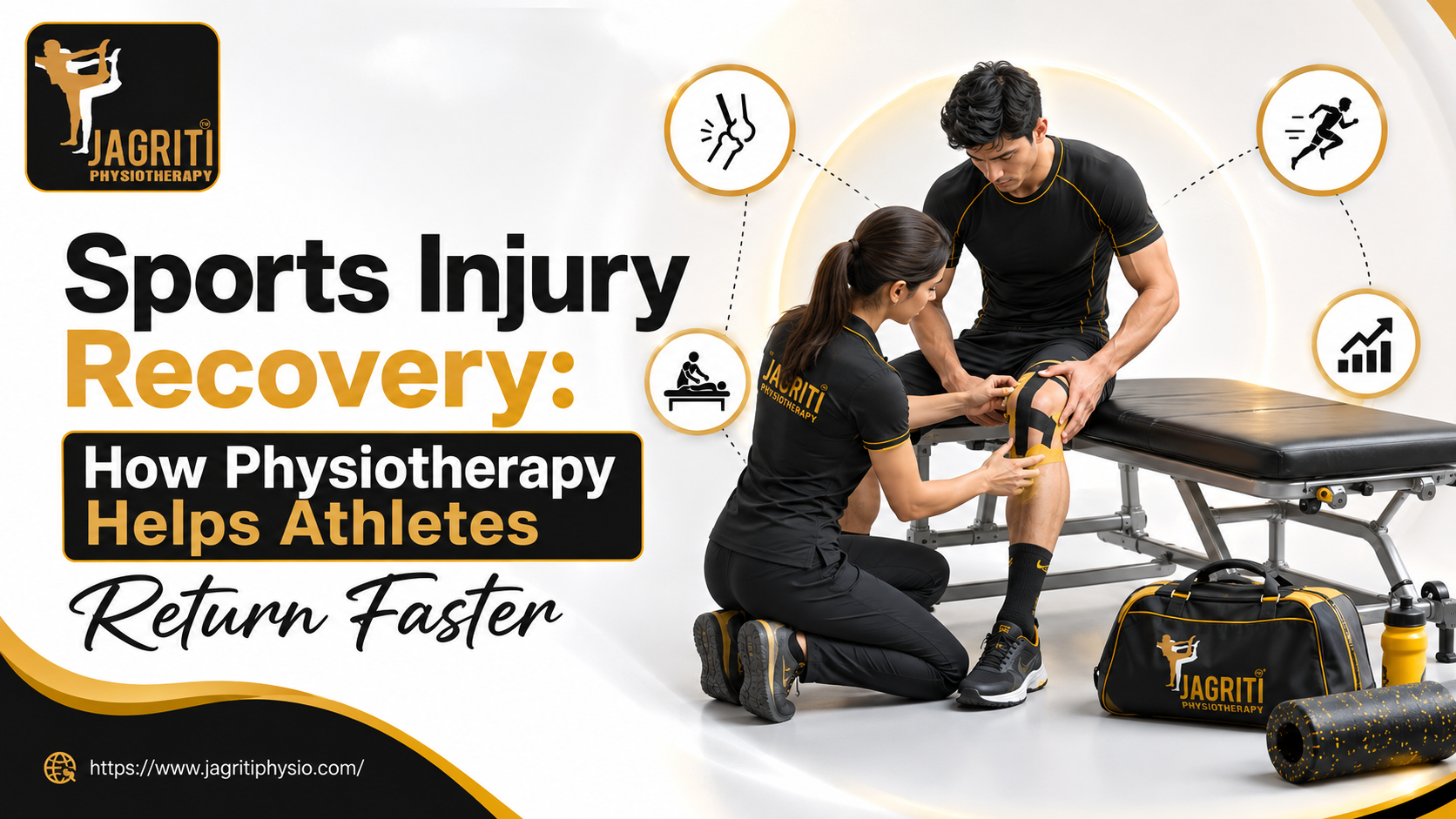
Sports injuries are common among professional athletes, fitness enthusiasts, and even people who enjoy weekend sports. Whether it's a sprained ankle, torn ligament, muscle strain, or shoulder injury, recovering the right way is essential. Many people focus only on reducing pain, but true recovery means restoring strength, mobility, and confidence before returning to the game.
Physiotherapy plays a vital role in helping athletes recover safely, reduce the risk of re-injury, and improve overall performance. In this guide, you'll learn how sports physiotherapy works, what to expect during recovery, and why starting treatment early can make a significant difference.
What Is Sports Physiotherapy?
Sports physiotherapy is a specialized branch of physiotherapy that focuses on preventing, diagnosing, treating, and rehabilitating sports-related injuries.
Unlike general pain management, sports physiotherapy aims to:
- Reduce pain and inflammation
- Restore joint mobility
- Improve muscle strength
- Correct movement patterns
- Prevent future injuries
- Help athletes return to sports safely
Whether you're a professional athlete, gym enthusiast, runner, football player, or someone who enjoys recreational sports, physiotherapy can help you recover efficiently.
Common Sports Injuries That Physiotherapy Treats
Sports physiotherapists regularly manage injuries such as:
- Ankle sprains
- ACL and ligament injuries
- Knee pain
- Tennis elbow
- Golfer's elbow
- Rotator cuff injuries
- Shoulder instability
- Hamstring strains
- Groin injuries
- Shin splints
- Achilles tendon injuries
- Lower back pain
- Muscle tears
Early diagnosis and treatment can significantly shorten recovery time.
Why Early Physiotherapy Matters
Many athletes wait until the pain becomes severe before seeking treatment. This often delays healing and increases the chances of long-term complications.
Starting physiotherapy within the first few days after an injury helps:
- Control swelling
- Reduce pain naturally
- Protect injured tissues
- Restore normal movement earlier
- Prevent muscle weakness
- Lower the risk of chronic pain
The sooner rehabilitation begins, the smoother the recovery process tends to be.
How Physiotherapy Helps Athletes Return Faster
1. Accurate Injury Assessment
Every injury is different.
A physiotherapist evaluates:
- Pain location
- Range of motion
- Muscle strength
- Joint stability
- Functional movement
- Biomechanics
This assessment helps create a personalized recovery plan instead of using a one-size-fits-all approach.
2. Pain Management Without Over-Reliance on Medication
Pain medications may provide temporary relief but don't address the root cause.
Physiotherapy uses evidence-based techniques like:
- Manual therapy
- Soft tissue mobilization
- Therapeutic exercises
- Joint mobilization
- Ice and heat therapy
- Electrotherapy (when appropriate)
These methods help relieve pain while supporting natural healing.
3. Restoring Strength and Mobility
After an injury, muscles often become weak because of reduced activity.
A sports rehabilitation program includes:
- Stretching exercises
- Strength training
- Balance exercises
- Core stability
- Functional movement training
Gradually increasing exercise intensity prepares the body for sports-specific movements again.
4. Improving Balance and Coordination
Many injuries affect balance and body control.
Physiotherapists include proprioception training to improve:
- Stability
- Reaction time
- Coordination
- Joint awareness
This is especially important after ankle, knee, and ligament injuries.
5. Sport-Specific Rehabilitation
A football player, cricketer, badminton player, and runner all move differently.
Sports physiotherapy includes exercises based on your sport, such as:
- Sprint drills
- Jump training
- Agility exercises
- Throwing mechanics
- Cutting movements
- Landing techniques
This ensures you're physically ready before returning to competition.
Stages of Sports Injury Recovery
Recovery generally follows several phases:
Phase 1: Pain and Swelling Control
Goals include:
- Protect the injured area
- Reduce inflammation
- Minimize pain
Phase 2: Restore Movement
Once pain decreases, treatment focuses on:
- Improving flexibility
- Restoring joint mobility
- Gentle strengthening
Phase 3: Build Strength
Exercises become more challenging to improve:
- Muscle endurance
- Stability
- Power
- Functional movement
Phase 4: Return to Sport
Before returning, athletes perform sport-specific activities that mimic real-game situations.
Only when strength, flexibility, balance, and movement quality are restored should full sports participation resume.
Can Physiotherapy Prevent Future Sports Injuries?
Yes.
One of the biggest benefits of sports physiotherapy is injury prevention.
Your physiotherapist identifies factors such as:
- Muscle imbalances
- Poor posture
- Weak core muscles
- Incorrect running technique
- Limited flexibility
- Poor warm-up habits
Correcting these issues reduces the likelihood of future injuries.
Tips for Faster Sports Injury Recovery
Follow these simple practices during rehabilitation:
- Don't ignore pain.
- Follow your exercise program consistently.
- Avoid returning to sports too early.
- Stay hydrated and eat a balanced diet.
- Prioritize quality sleep for tissue repair.
- Warm up before activity and cool down afterward.
- Wear appropriate footwear and protective gear.
Recovery is a gradual process, and patience often leads to better long-term results.
Final Thoughts
Recovering from a sports injury is about more than just eliminating pain—it's about restoring full function, preventing future injuries, and returning to your sport with confidence. A structured physiotherapy program combines pain relief, targeted exercises, movement correction, and sport-specific rehabilitation to help athletes recover safely and perform at their best.
If you're experiencing a sports injury or persistent pain after physical activity, seeking professional physiotherapy like Jagriti Physiotherapy early can improve recovery outcomes and reduce the risk of long-term complications.
Frequently Asked Questions
How soon should I start physiotherapy after a sports injury?
In many cases, physiotherapy can begin within 24–72 hours after injury, depending on the severity and your healthcare provider's advice. Early assessment often leads to better recovery outcomes.
Can I continue playing sports if I have mild pain?
Continuing to play despite pain may worsen the injury. It's best to get evaluated before returning to sports.
How many physiotherapy sessions are needed?
Recovery varies depending on the injury. Minor sprains may improve in a few weeks, while ligament injuries or post-surgical rehabilitation may require several months.
Is physiotherapy only for professional athletes?
No. Sports physiotherapy benefits anyone involved in physical activity, including recreational players, gym-goers, runners, cyclists, and school athletes.
Will physiotherapy improve my sports performance?
Yes. Better flexibility, strength, balance, movement efficiency, and injury prevention can contribute to improved athletic performance.
- Ask Nguza
- Food and Recipes
- Lifestyle
- Parenting
- Education
- Career & Business
- Sports
- Entertainment
- Marketing & Blogging
- Travel
- Confessions / Anonymous Talk
- Local News & Gossip
- Memes & Fun
- Art
- Hot Topics / Trending
- Causes
- Crafts
- Dance
- Drinks
- Film
- Fitness
- Food
- Jogos
- Gardening
- Health
- Início
- Literature
- Music
- Networking
- Outro
- Party
- Religion
- Shopping
- Sports
- Theater
- Wellness
- Personal Development
- Technology
- Finance
 Portuguese (Brazil)
 English
 Arabic
 French
 Spanish
 Portuguese
 Deutsch
 Turkish
 Dutch
Dutch
 Italiano
 Russian
 Romaian
 Greek
Greek
