


Regulatory Overview of Peptide Suppliers in the UK
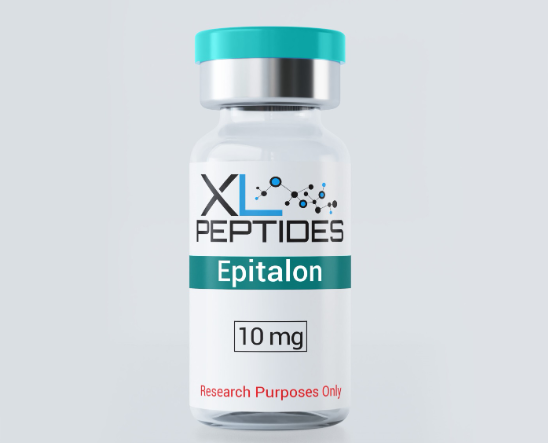
The market for peptides has grown significantly in recent years, driven by demand from pharmaceutical research, biotechnology development, and academic laboratories. Alongside this growth, the regulatory environment governing a peptide supplier UK has become increasingly important to ensure safety, legality, and quality standards. Understanding how peptides are classified and regulated in the United Kingdom is essential for businesses and researchers operating in this field.
Regulatory Landscape for Peptides in the UK
In the United Kingdom, peptides may fall under different regulatory categories depending on their intended use. If a peptide is intended for medicinal use in humans, it is regulated as a medicinal product under the Human Medicines Regulations 2012. In such cases, oversight is primarily provided by the MHRA, which ensures that products meet strict safety, quality, and efficacy standards.
However, peptides sold strictly for research purposes—often labeled as research chemicals—are not intended for human consumption. This distinction is crucial for any peptide supplier UK, as misclassification or misuse of intended purpose can result in regulatory breaches and enforcement action. The legal status depends not only on the chemical itself but also on marketing claims, labeling, and distribution practices.
Classification and Intended Use
One of the most important aspects of regulation is the intended use of the peptide. If a peptide is marketed for laboratory research, it is generally not subject to the same authorization requirements as medicinal products. However, if it is presented in any way that suggests therapeutic use, it may be reclassified as a medicine.
For a peptide supplier UK, maintaining clear labeling such as “for research use only” is essential, although this alone does not guarantee exemption from regulation. Authorities consider the totality of evidence, including website descriptions, advertising language, and customer behavior.
In addition, controlled substances legislation may apply in rare cases where peptides overlap with restricted compounds. Therefore, suppliers must carefully assess each product individually.
Licensing and Compliance Requirements
Companies operating as a peptide supplier UK must ensure compliance with general chemical distribution laws and, where applicable, medicinal product regulations. If peptides are classified as medicines, manufacturers and distributors must obtain appropriate licenses from the MHRA.
Good Manufacturing Practice (GMP) standards are often expected even for research-grade peptides, especially when supplying universities, pharmaceutical companies, or clinical research organizations. GMP ensures consistency in production, minimizes contamination risks, and guarantees traceability of raw materials.
Furthermore, businesses must comply with UK chemicals regulations, including registration, evaluation, and labeling requirements under UK REACH (Registration, Evaluation, Authorisation and Restriction of Chemicals). Failure to comply can result in product seizures, fines, or suspension of operations.
Role of Professional Oversight Bodies
The regulatory framework is supported by several professional bodies. The General Pharmaceutical Council (GPhC) plays a key role in regulating pharmacies and pharmacists involved in the supply chain of medicinal peptides. If peptides are dispensed or handled through pharmacy channels, GPhC standards become highly relevant.
For a peptide supplier UK, alignment with pharmacy-grade standards is often seen as a mark of credibility, even when products are not classified as medicines. This includes maintaining proper documentation, ensuring secure storage, and implementing robust quality control systems.
Import, Export, and Cross-Border Trade
International trade adds another layer of complexity. Many peptides are synthesized overseas and imported into the UK. In such cases, customs regulations and import licensing requirements apply.
A peptide UK importing goods must ensure compliance with customs declarations and verify that products are not prohibited or restricted substances. The MHRA may also intervene if imported peptides are suspected of being marketed for unlicensed medicinal use.
Exporting peptides from the UK requires compliance with destination country regulations as well. Some peptides may be legal in the UK but restricted elsewhere, requiring careful due diligence by suppliers.
Advertising and Marketing Restrictions
Marketing practices are a critical area of regulatory scrutiny. UK law prohibits the advertising of unlicensed medicinal products for human use. Therefore, a peptide UK must ensure that promotional materials do not imply therapeutic benefits unless the product has received appropriate authorization.
Websites and catalogs must be carefully worded to avoid suggesting diagnosis, treatment, or prevention of disease. Even indirect claims can trigger regulatory attention. The distinction between research use and human use must remain explicit and consistently communicated.
Social media marketing also falls under scrutiny, with regulatory bodies monitoring online content for misleading claims or unauthorized medical promotion.
Quality Assurance and Laboratory Standards
Quality assurance is one of the most important pillars of compliance. A reputable supplier in the UK is expected to provide certificates of analysis (CoA), purity reports, and details of synthesis methods. These documents help ensure transparency and allow customers to verify product integrity.
Laboratory testing typically includes high-performance liquid chromatography (HPLC) and mass spectrometry to confirm molecular identity and purity. Suppliers operating at a professional level often adopt ISO standards in addition to GMP principles.
Proper storage conditions, such as temperature control and contamination prevention, are also essential to maintain peptide stability during distribution.
Enforcement and Legal Risks
Regulatory enforcement in the UK can be strict when non-compliance is identified. The MHRA has the authority to seize unlicensed medicinal products, issue warning notices, and initiate legal proceedings against violators.
For a peptide supplier in the UK, the risks of non-compliance include product recalls, reputational damage, financial penalties, and potential criminal liability in severe cases. Authorities particularly focus on companies that blur the line between research chemicals and unlicensed medicines.
Online sales platforms are frequently monitored, and enforcement actions may include website takedowns or domain suspensions.
Industry Challenges and Evolving Regulation
The peptide industry is evolving rapidly, and regulation continues to adapt. One ongoing challenge is the ambiguous status of certain peptides that may have both research and therapeutic applications. This creates uncertainty for suppliers and regulators alike.
A peptide supplier UK must stay informed about updates to MHRA guidance, chemical safety laws, and international trade regulations. Compliance is not static; it requires continuous monitoring of legislative changes and industry best practices.
There is also increasing pressure for transparency in sourcing and manufacturing, particularly as demand grows from pharmaceutical and wellness sectors.
Conclusion
The regulatory environment governing peptides in the UK is complex and multifaceted, reflecting the diverse uses of these compounds in research and medicine. Any peptide supplier UK must navigate medicinal product laws, chemical regulations, advertising restrictions, and quality assurance standards to operate legally and responsibly.
With oversight from bodies such as the MHRA and the General Pharmaceutical Council, the industry is closely monitored to protect public health and maintain scientific integrity. As the demand for peptides continues to grow, compliance and regulatory awareness will remain central to sustainable business operations in this sector.
- Ask Nguza
- Food and Recipes
- Lifestyle
- Parenting
- Education
- Career & Business
- Sports
- Entertainment
- Marketing & Blogging
- Travel
- Confessions / Anonymous Talk
- Local News & Gossip
- Memes & Fun
- Art
- Hot Topics / Trending
- Causes
- Crafts
- Dance
- Drinks
- Film
- Fitness
- Food
- Spellen
- Gardening
- Health
- Home
- Literature
- Music
- Networking
- Other
- Party
- Religion
- Shopping
- Sports
- Theater
- Wellness
- Personal Development
- Technology
- Finance
 Dutch
Dutch
 English
 Arabic
 French
 Spanish
 Portuguese
 Deutsch
 Turkish
 Italiano
 Russian
 Romaian
 Portuguese (Brazil)
 Greek
Greek
