


How Quickly Should Storm Damage Restoration and Repair Services Begin?
Severe storms can cause significant damage to homes and commercial properties within minutes. High winds, heavy rainfall, hail, and falling debris often leave behind structural issues, water intrusion, and safety hazards. When damage occurs, one of the most important questions property owners ask is: how quickly should storm damage restoration and repair services begin?
The answer is simple—restoration should start as soon as it is safe to access the property. Taking immediate action helps reduce further damage, lowers repair costs, and improves the chances of restoring affected areas successfully. Delaying restoration can allow moisture, mold, and structural deterioration to worsen over time.
Why Immediate Response Matters
Storms often create conditions that continue damaging a property even after the weather has passed. Roof leaks, broken windows, damaged siding, and flooding can expose the interior of a building to ongoing moisture and environmental elements.
Professional storm damage restoration and repair services focus on identifying these issues quickly and implementing measures to prevent additional losses. The first 24 to 48 hours after a storm are often considered the most critical period for mitigation and recovery efforts.
Prompt restoration can help:
-
Prevent water from spreading to unaffected areas
-
Reduce the risk of mold growth
-
Protect structural components
-
Preserve personal belongings
-
Minimize repair expenses
-
Improve overall property safety
The First Steps After Storm Damage
Before restoration work begins, safety should always be the top priority. Property owners should avoid entering damaged structures if there is a risk of collapse, exposed electrical systems, or standing water.
Once the property is deemed safe, a professional storm damage restoration service typically performs a thorough assessment. This evaluation identifies affected areas and determines the most effective restoration strategy.
Common initial steps include:
1. Damage Inspection
Technicians inspect roofs, walls, foundations, windows, and interior spaces to document storm-related damage.
2. Emergency Protection Measures
Temporary solutions such as roof tarping and board-up services help secure vulnerable areas from further exposure.
3. Water Removal
If flooding or leaks are present, water extraction equipment is used to remove standing water and excess moisture.
4. Drying and Dehumidification
Industrial drying equipment helps eliminate hidden moisture that may remain inside walls, flooring, and building materials.
How Delays Can Increase Damage
Many property owners underestimate the speed at which damage can spread after a storm. Even a small roof leak can allow water to penetrate insulation, drywall, and wooden structures.
When restoration is delayed, several problems may develop:
Mold Growth
Mold can begin growing within 24 to 48 hours when moisture remains trapped indoors. Once mold develops, remediation becomes more extensive and costly.
Structural Weakness
Water exposure may weaken framing, ceilings, flooring, and support systems over time.
Material Deterioration
Carpet, drywall, insulation, and furniture often absorb moisture quickly and may become unsalvageable if not treated promptly.
Increased Restoration Costs
The longer damage remains untreated, the more repairs may be necessary. Early intervention often helps reduce overall restoration expenses.
The Role of Emergency Restoration Services
When severe weather strikes unexpectedly, many property owners rely on emergency restoration services to begin recovery immediately. These services are designed to respond quickly to urgent situations where delaying action could result in additional property damage.
Emergency response teams are trained to:
-
Stabilize damaged structures
-
Extract standing water
-
Remove hazardous debris
-
Protect exposed areas
-
Begin moisture control procedures
-
Assess restoration priorities
Fast response times are especially important after hurricanes, tornadoes, severe thunderstorms, and flash flooding events.
Water Damage and Storm Recovery
One of the most common consequences of storms is water intrusion. Rainwater can enter through damaged roofs, broken windows, foundation cracks, and compromised building envelopes.
This is where restoration services water damage become a critical component of the recovery process. Water damage restoration focuses on removing moisture, drying affected materials, and preventing secondary issues such as mold and structural decay.
Key water restoration activities include:
-
Water extraction
-
Moisture detection
-
Dehumidification
-
Structural drying
-
Sanitization
-
Material restoration
Combining storm restoration with professional water damage recovery helps ensure a more complete and effective restoration process.
Factors That Affect Restoration Timelines
While restoration should begin immediately, the overall timeline varies depending on several factors.
Severity of Damage
Minor roof leaks and localized water intrusion may be addressed quickly, while extensive structural damage can require weeks or months of restoration.
Property Size
Larger residential and commercial properties generally require more time for inspection, drying, and repairs.
Weather Conditions
Ongoing storms or unsafe conditions may temporarily delay certain restoration activities.
Moisture Levels
Extensive flooding often requires additional drying and monitoring before repairs can begin.
Material Damage
Some materials can be restored, while others must be removed and replaced, affecting project duration.
Benefits of Acting Quickly
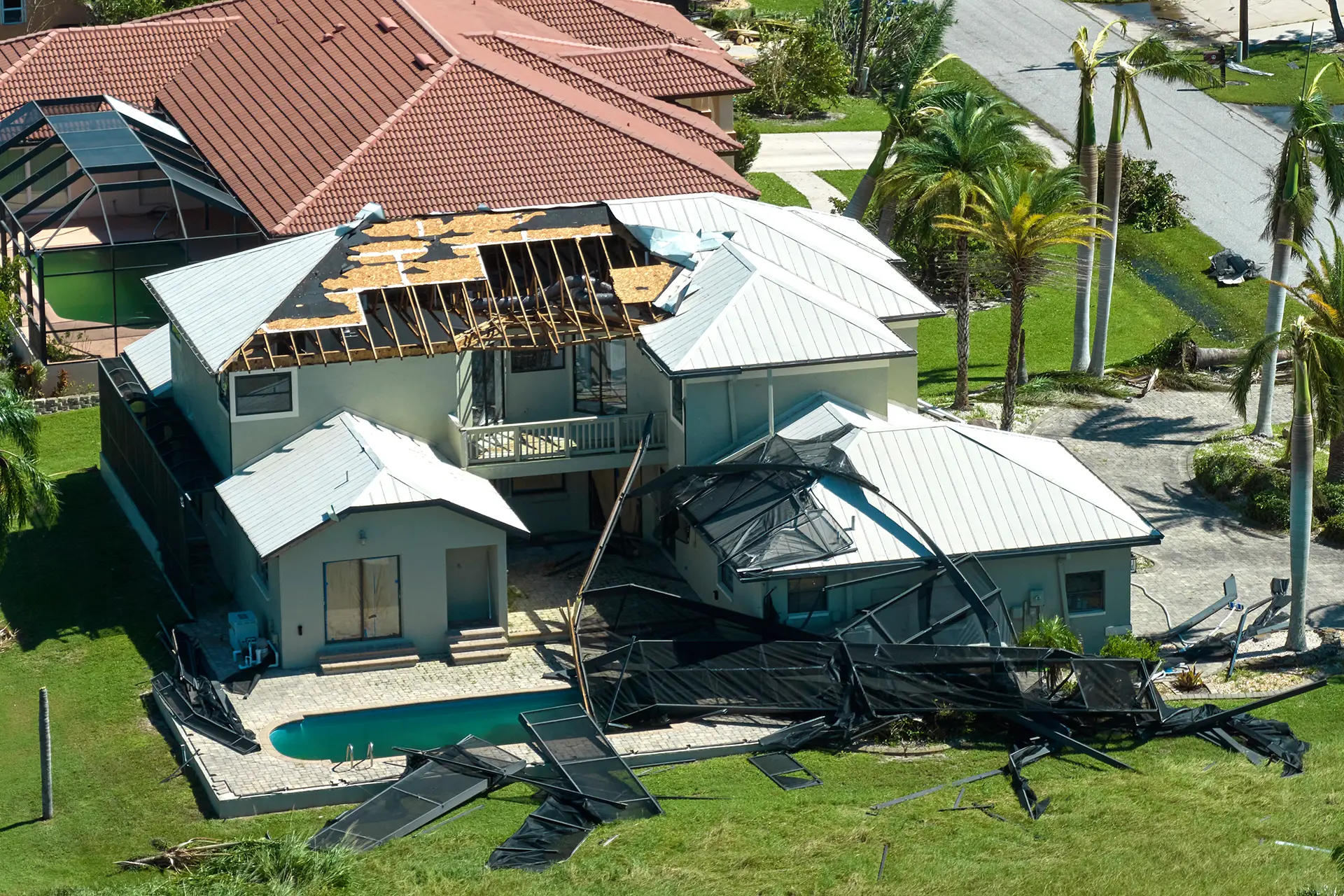
Starting storm damage restoration and repair services as soon as possible offers several long-term benefits.
Improved Property Protection
Fast action reduces the likelihood of secondary damage affecting unaffected areas.
Better Restoration Outcomes
Early treatment increases the chances of restoring structural components and personal belongings.
Reduced Mold Risks
Prompt drying and moisture removal help create conditions that discourage mold growth.
Lower Overall Costs
Addressing damage early often prevents minor issues from becoming major repair projects.
Faster Return to Normal
Quick restoration helps property owners resume normal activities sooner and minimizes disruptions.
Conclusion
The best time to begin storm damage restoration and repair services is immediately after a storm, once the property is safe to enter. Rapid response helps prevent additional damage, reduces restoration costs, and protects the long-term integrity of the structure. A professional storm damage restoration service can assess the situation, implement mitigation measures, and begin recovery efforts without delay.
In many cases, emergency restoration services provide the immediate assistance needed to stabilize damaged properties and prevent further losses. Additionally, restoration services water damage play a vital role in addressing moisture-related issues that commonly follow severe weather events. Acting quickly can make a significant difference in restoring a property efficiently and minimizing the impact of storm-related damage.
- Ask Nguza
- Food and Recipes
- Lifestyle
- Parenting
- Education
- Career & Business
- Sports
- Entertainment
- Marketing & Blogging
- Travel
- Confessions / Anonymous Talk
- Local News & Gossip
- Memes & Fun
- Art
- Hot Topics / Trending
- Causes
- Crafts
- Dance
- Drinks
- Film
- Fitness
- Food
- Jeux
- Gardening
- Health
- Domicile
- Literature
- Music
- Networking
- Autre
- Party
- Religion
- Shopping
- Sports
- Theater
- Wellness
- Personal Development
- Technology
- Finance
 French
 English
 Arabic
 Spanish
 Portuguese
 Deutsch
 Turkish
 Dutch
Dutch
 Italiano
 Russian
 Romaian
 Portuguese (Brazil)
 Greek
Greek
