


Why Is an Emergency Lighting Certificate in London Essential for Your Property?
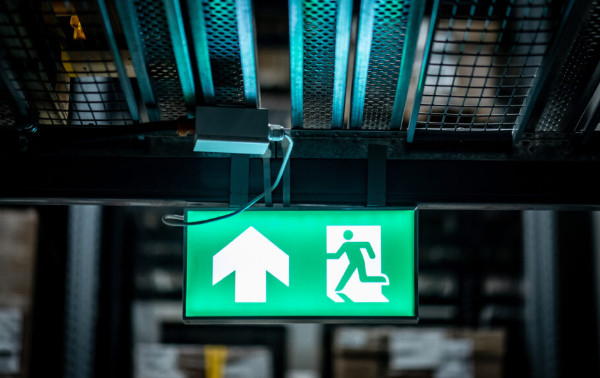
An Emergency Lighting Certificate in London is an official document issued after an emergency lighting system has been inspected, tested, and verified as compliant with current UK fire safety regulations and standards. The certificate confirms that the emergency lighting installation is functioning correctly and will provide adequate illumination during a power failure or emergency situation.
Emergency Lighting Certificate in London are important for commercial buildings, residential properties, educational institutions, healthcare facilities, hotels, and public buildings throughout London.
Why Is Emergency Lighting Important?
Emergency lighting plays a critical role in protecting occupants during emergencies. When the main power supply fails due to fire, electrical faults, or other incidents, emergency lighting automatically activates to illuminate escape routes and exits.
The main benefits include:
- Safe evacuation during emergencies
- Reduced risk of panic
- Improved visibility in escape routes
- Compliance with fire safety regulations
- Protection of employees, visitors, and residents
- Reduced legal and financial risks
Without a properly maintained emergency lighting system, building occupants may struggle to evacuate safely during an emergency.
What Is an Emergency Lighting Certificate Used For?
An Emergency Lighting Certificate serves as proof that a building's emergency lighting system has been professionally inspected and tested.
The certificate may be required for:
- Fire safety audits
- Building inspections
- Insurance requirements
- Property management records
- Regulatory compliance checks
- Landlord obligations
It demonstrates that the responsible person has taken reasonable steps to maintain fire safety standards.
Is an Emergency Lighting Certificate a Legal Requirement in London?
UK fire safety legislation requires emergency lighting systems to be maintained in working condition where necessary for safe evacuation.
Relevant regulations include:
- Regulatory Reform (Fire Safety) Order 2005
- Building Regulations
- Health and Safety at Work Act
- BS 5266 Emergency Lighting Standard
Although the law focuses on maintenance and testing, the certificate provides documented evidence that these obligations have been fulfilled.
Who Needs an Emergency Lighting Certificate?
Many properties across London require emergency lighting certification, including:
Offices
Businesses must ensure employees and visitors can safely evacuate during emergencies.
Schools and Colleges
Educational facilities require emergency lighting to protect students and staff.
Hospitals and Healthcare Facilities
Healthcare environments must maintain reliable emergency evacuation systems.
Hotels and Guest Houses
Accommodation providers have a duty to ensure guest safety.
Retail Stores
Shops and shopping centres require emergency lighting to guide customers safely.
Factories and Warehouses
Industrial facilities often contain high-risk areas that require emergency illumination.
Apartment Buildings
Communal escape routes in residential buildings may require emergency lighting systems.
What Does an Emergency Lighting Inspection Include?
A professional emergency lighting inspection involves a detailed assessment of the system.
Typical inspection procedures include:
- Checking emergency lighting units
- Testing battery backup systems
- Verifying exit signs
- Assessing escape route coverage
- Examining control equipment
- Checking charging indicators
- Testing automatic activation
- Reviewing maintenance records
The inspection ensures the system can operate effectively during an emergency.
How Does Emergency Lighting Certification Work?
The certification process generally follows several stages.
Initial Assessment
A qualified engineer examines the building layout and emergency lighting requirements.
Functional Testing
Emergency lighting units are activated to verify operation during power loss.
Duration Testing
The system is tested to ensure it remains operational for the required emergency period, typically three hours.
Fault Identification
Any defective fittings, batteries, or components are identified.
Repairs and Maintenance
Necessary repairs are completed before certification.
Certificate Issuance
Once compliance is confirmed, an Emergency Lighting Certificate is issued.
How Often Should Emergency Lighting Be Tested?
Regular testing is essential to maintain compliance and safety.
Monthly Testing
A short functional test confirms that emergency lights activate correctly.
Annual Testing
A full discharge test verifies that the system operates for its designated duration.
Routine Maintenance
Qualified engineers should inspect and maintain the system regularly to prevent failures.
Keeping accurate maintenance records is equally important for compliance purposes.
What Information Is Included on an Emergency Lighting Certificate?
A typical certificate contains:
- Property address
- Inspection date
- Details of tested equipment
- Compliance status
- Identified defects
- Corrective actions taken
- Technician information
- Next inspection date
This documentation provides a clear record of system performance and maintenance.
What Are the Benefits of Professional Emergency Lighting Certification?
Professional certification offers several important advantages.
Improved Safety
Certified systems provide reliable illumination during emergencies.
Legal Compliance
Certification demonstrates adherence to UK fire safety requirements.
Insurance Support
Insurance providers often request evidence of safety system maintenance.
Reduced Liability
Proper certification helps reduce potential legal risks following an incident.
Peace of Mind
Property owners can be confident that emergency lighting systems are functioning correctly.
How Much Does an Emergency Lighting Certificate Cost in London?
The cost depends on several factors:
- Building size
- Number of emergency lights
- System complexity
- Testing requirements
- Maintenance needs
Many fire safety companies offer annual service packages that include testing, maintenance, and certification.
How Can You Choose the Right Emergency Lighting Company?
When selecting a provider, consider:
- Industry certifications
- Experience in fire safety services
- Qualified engineers
- Positive customer reviews
- Knowledge of BS 5266 standards
- Competitive pricing
- Ongoing maintenance support
Working with an experienced company helps ensure reliable compliance and long-term system performance.
Conclusion
An Emergency Lighting Certificate in London is a vital document that confirms your emergency lighting system has been professionally inspected and complies with current safety regulations. Whether you manage an office, warehouse, hotel, school, healthcare facility, or residential building, maintaining certified emergency lighting helps protect lives, supports legal compliance, and ensures safe evacuation during emergencies.
Investing in regular testing and certification is a crucial step toward creating a safer environment for everyone who uses your building.
FAQs
1. What is an Emergency Lighting Certificate?
An Emergency Lighting Certificate confirms that an emergency lighting system has been inspected, tested, and meets required safety standards.
2. Is emergency lighting certification mandatory?
Emergency lighting maintenance and testing are required under fire safety regulations, and certification provides proof of compliance.
3. How often should emergency lighting be tested?
Monthly functional tests and annual full-duration tests are generally recommended.
4. Who can issue an Emergency Lighting Certificate?
Qualified fire safety engineers and certified emergency lighting specialists can issue the certificate after inspection.
5. How long is an Emergency Lighting Certificate valid?
Most certificates are valid until the next scheduled inspection, typically one year.
6. What happens if emergency lighting fails inspection?
Faults must be repaired or defective components replaced before certification can be issued.
7. What standard applies to emergency lighting systems?
Emergency lighting systems are commonly assessed according to BS 5266 standards.
8. Do landlords need emergency lighting certificates?
Many landlords and property managers require certification for communal areas and shared escape routes.
9. Can insurance companies request emergency lighting certificates?
Yes, insurers may ask for evidence that emergency lighting systems are properly maintained.
10. Why should businesses maintain emergency lighting certification?
Certification helps protect occupants, supports legal compliance, and demonstrates a commitment to fire safety.
- Ask Nguza
- Food and Recipes
- Lifestyle
- Parenting
- Education
- Career & Business
- Sports
- Entertainment
- Marketing & Blogging
- Travel
- Confessions / Anonymous Talk
- Local News & Gossip
- Memes & Fun
- Art
- Hot Topics / Trending
- Causes
- Crafts
- Dance
- Drinks
- Film
- Fitness
- Food
- Spellen
- Gardening
- Health
- Home
- Literature
- Music
- Networking
- Other
- Party
- Religion
- Shopping
- Sports
- Theater
- Wellness
- Personal Development
- Technology
- Finance
 Dutch
Dutch
 English
 Arabic
 French
 Spanish
 Portuguese
 Deutsch
 Turkish
 Italiano
 Russian
 Romaian
 Portuguese (Brazil)
 Greek
Greek
