


What Are the 7 Steps of Portfolio Management?
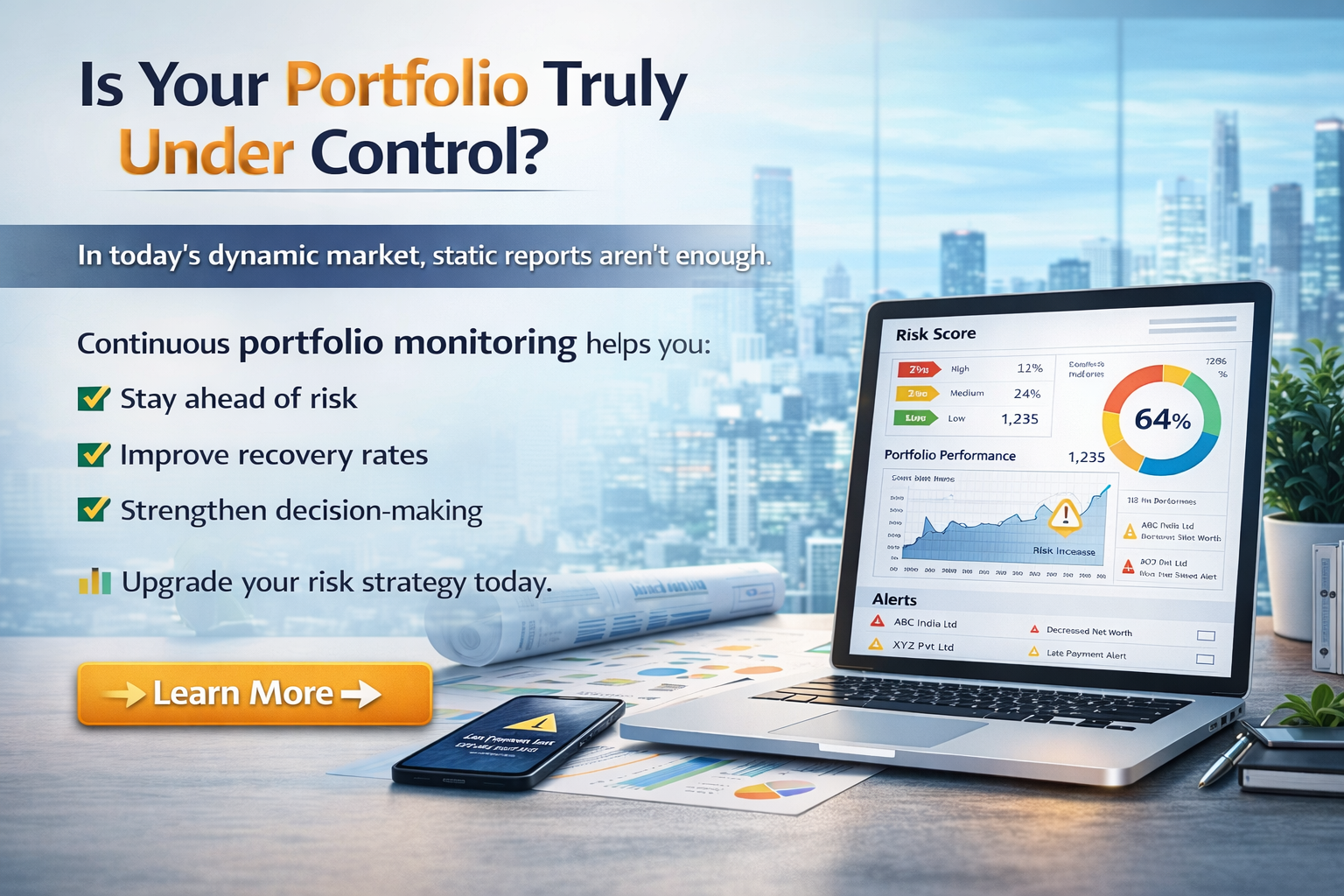
Effective portfolio management is essential for businesses, financial institutions, investors, and lenders seeking to maximize returns while minimizing risks. Whether managing investments, loan portfolios, business assets, or financial projects, a structured portfolio management process helps organizations make informed decisions and achieve long-term objectives.
Portfolio monitoring involves selecting, monitoring, and optimizing assets to align with specific financial goals and risk tolerance levels. Modern organizations use advanced analytics, Artificial Intelligence (AI), and portfolio monitoring tools to improve performance and reduce uncertainty.
What is Portfolio Management?
Portfolio management is the process of planning, selecting, managing, and monitoring a collection of assets, investments, loans, or projects to achieve desired financial outcomes.
The primary objectives of portfolio management include:
- Maximizing returns
- Minimizing risks
- Improving asset performance
- Ensuring diversification
- Supporting long-term business goals
A well-managed portfolio helps organizations adapt to changing market conditions and make strategic decisions confidently.
The 7 Steps of Portfolio Management
Step 1: Define Goals and Objectives
The first step in portfolio management is establishing clear financial and business objectives.
Organizations should identify:
- Expected returns
- Growth targets
- Liquidity requirements
- Risk tolerance
- Investment horizons
Clearly defined goals provide a framework for all future portfolio decisions.
Example
A bank may aim to reduce credit risk while increasing loan portfolio profitability over the next three years.
Step 2: Assess Risk Tolerance
Every portfolio carries some level of risk. Understanding how much risk an organization is willing to accept is essential before allocating resources.
Common risk categories include:
- Credit risk
- Market risk
- Operational risk
- Liquidity risk
- Compliance risk
Risk assessment helps organizations create a balanced portfolio aligned with their objectives.
Step 3: Asset Selection and Allocation
After defining objectives and risk tolerance, the next step is selecting appropriate assets and allocating resources effectively.
Assets may include:
- Investments
- Loans
- Bonds
- Business projects
- Supply chain finance assets
- Insurance portfolios
Diversification is critical during this stage because it helps reduce concentration risk and improve overall portfolio stability.
Step 4: Portfolio Implementation
Once assets have been selected, the portfolio is implemented according to the planned allocation strategy.
This step involves:
- Executing investment decisions
- Approving credit allocations
- Funding projects
- Establishing performance benchmarks
Successful implementation ensures that portfolio objectives are translated into action.
Step 5: Continuous Portfolio Monitoring
Monitoring is one of the most important stages of portfolio management.
Organizations must continuously track:
- Asset performance
- Risk exposure
- Market changes
- Borrower behavior
- Financial performance indicators
Modern portfolio monitoring systems provide real-time insights through dashboards, automated alerts, and predictive analytics.
Continuous monitoring allows businesses to identify issues before they become significant problems.
Step 6: Performance Evaluation
Regular evaluation helps determine whether the portfolio is achieving its intended objectives.
Key performance indicators (KPIs) may include:
- Return on Investment (ROI)
- Portfolio growth rate
- Default rates
- Profitability metrics
- Cash flow performance
Performance reviews help organizations understand what is working and where improvements are needed.
Example
An NBFC may analyze repayment trends and default rates to evaluate the health of its lending portfolio.
Step 7: Portfolio Rebalancing and Optimization
Market conditions, economic changes, and business priorities evolve over time. As a result, portfolios must be adjusted periodically.
Portfolio optimization may involve:
- Reallocating assets
- Reducing exposure to high-risk segments
- Increasing investments in profitable areas
- Restructuring underperforming assets
Regular rebalancing ensures the portfolio remains aligned with business objectives and risk appetite.
Benefits of Following the Portfolio Management Process
Organizations that follow a structured portfolio management framework can achieve significant advantages.
Better Risk Management
Continuous evaluation helps identify and mitigate risks proactively.
Improved Decision-Making
Data-driven insights support more informed financial decisions.
Enhanced Portfolio Performance
Strategic allocation and monitoring improve returns and asset quality.
Greater Financial Stability
Well-managed portfolios are more resilient during economic uncertainty.
Increased Operational Efficiency
Automation and analytics reduce manual effort and improve accuracy.
Technology's Role in Portfolio Management
Modern portfolio management relies heavily on technology.
Organizations use:
- Artificial Intelligence (AI)
- Machine Learning
- Predictive Analytics
- Portfolio Monitoring Platforms
- Risk Intelligence Systems
- Real-Time Reporting Tools
These technologies help businesses analyze large volumes of data, identify trends, and optimize portfolio performance more efficiently.
Conclusion
Understanding the portfolio management is essential for organizations seeking to improve financial performance and manage risk effectively. From defining objectives and assessing risk tolerance to monitoring performance and rebalancing assets, each step plays a crucial role in achieving long-term success.
By combining a structured portfolio management process with modern technology and data-driven insights, businesses can enhance decision-making, optimize returns, and maintain financial stability in an increasingly complex marketplace.
- Ask Nguza
- Food and Recipes
- Lifestyle
- Parenting
- Education
- Career & Business
- Sports
- Entertainment
- Marketing & Blogging
- Travel
- Confessions / Anonymous Talk
- Local News & Gossip
- Memes & Fun
- Art
- Hot Topics / Trending
- Causes
- Crafts
- Dance
- Drinks
- Film
- Fitness
- Food
- Jeux
- Gardening
- Health
- Domicile
- Literature
- Music
- Networking
- Autre
- Party
- Religion
- Shopping
- Sports
- Theater
- Wellness
- Personal Development
- Technology
- Finance
 French
 English
 Arabic
 Spanish
 Portuguese
 Deutsch
 Turkish
 Dutch
Dutch
 Italiano
 Russian
 Romaian
 Portuguese (Brazil)
 Greek
Greek
