


Windows Data Recovery Software Features and Benefits Guide
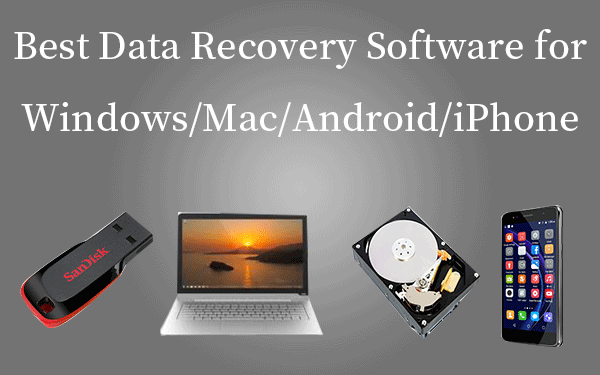
Data loss is a common problem for computer users. Important files can disappear because of accidental deletion, system crashes, formatting errors, malware attacks, or hardware failure. Losing documents, photos, videos, or business files can create stress and disrupt daily work. This is why many users rely on Windows Data Recovery Software to recover valuable information.
Recovery software is designed to scan storage devices, locate deleted or lost files, and restore them safely. Understanding the features and benefits of these tools can help users choose the right solution for their recovery needs.
What Is Windows Data Recovery Software?
Windows Data Recovery Software is a tool that helps recover deleted, lost, or inaccessible files from Windows-based devices. These programs work by scanning storage drives to locate recoverable data that may still exist on the device.
Many recovery applications support desktops, laptops, SSDs, HDDs, USB drives, memory cards, and external storage devices. They can help recover files lost through accidental actions or technical issues.
Different software tools offer different levels of functionality, but the main goal remains the same: restoring important files efficiently.
Key Features of Data Recovery Software
Modern recovery tools include several useful features designed to improve recovery performance and user experience.
Deep and Quick Scan Options
Scanning technology is one of the most important features in recovery software.
Quick Scan
A quick scan searches recently deleted files by examining file records and directory structures. It works well for simple deletion situations and produces faster results.
Deep Scan
A deep scan examines the storage drive more thoroughly. It searches storage sectors to find hidden, damaged, or lost file fragments. This method is useful for formatted drives, corrupted partitions, and complex data loss cases.
Advanced Windows Data Recovery Software usually offers both scanning methods to improve flexibility.
Support for Multiple File Formats
Data recovery software should be able to recover different types of files. Strong file format support increases the chance of restoring important information.
Commonly supported formats include:
- Documents
- Images
- Videos
- Audio files
- Email files
- Archives
- Spreadsheets
- PDFs
This wide compatibility makes recovery software useful for personal and professional use.
Preview Before Recovery
The preview feature allows users to inspect files before restoring them.
Users can verify images, documents, videos, and other content to confirm they are recovering the correct files. This helps save time and storage space.
Preview functionality is especially helpful when recovering large numbers of deleted items.
Compatibility with Multiple Storage Devices
Good recovery software should work across different storage environments.
Supported devices often include:
- Internal hard drives
- Solid-state drives
- USB flash drives
- External hard disks
- SD cards
- Digital camera storage
Reliable Windows Data Recovery Software provides broad compatibility for modern storage systems.
Benefits of Using Data Recovery Software
Recovery software offers several practical benefits for users facing data loss problems.
Easy Recovery Process
Many recovery tools are designed with simple interfaces and step-by-step workflows. Users do not need advanced technical knowledge to begin recovery.
Most programs follow a basic process:
- Select the storage device
- Run a scan
- Review recoverable files
- Restore selected items
This simplicity makes recovery more accessible to everyday users.
Time-Saving Solution
Manual recovery methods can be complicated and time-consuming. Recovery software automates the scanning and restoration process.
Instead of spending hours searching for solutions, users can begin recovering files quickly with guided software tools.
Support for Different Data Loss Situations
Data loss can occur in different ways. Recovery software is valuable because it can handle multiple scenarios.
These may include:
- Deleted files
- Formatted drives
- Corrupted partitions
- Virus attacks
- Operating system failure
- Accidental file removal
Versatile Windows Data Recovery Software helps users respond to various recovery challenges.
Reduced Risk of Permanent File Loss
Taking fast action after data loss can increase recovery success.
Recovery tools allow users to scan devices before deleted information is overwritten. This helps reduce the risk of permanent data disappearance.
Using proper recovery software early can improve the likelihood of successful restoration.
How Recovery Software Works
Understanding the recovery process helps users use the software more effectively.
When a file is deleted in Windows, the operating system often marks the storage space as available instead of removing the actual data immediately.
Recovery tools scan the drive to identify recoverable file records and rebuild lost information.
File Signature Analysis
Many tools use signature-based scanning methods. This process identifies recognizable file patterns across the storage drive.
Even if directory structures are damaged, software may still recover files by recognizing their internal signatures.
Metadata Reconstruction
Some recovery applications rebuild file information using remaining metadata such as file names, timestamps, and folder structures.
This improves file organization after recovery.
Tips for Better Recovery Results
Users can improve recovery outcomes by following simple best practices.
Stop Using the Affected Drive
Avoid saving new data on the same drive after file loss. New files may overwrite deleted information.
Recover to Another Storage Location
Always save restored files to a different storage device or partition.
Use Trusted Software Providers
Download recovery software from reputable sources to avoid malware, security risks, or unreliable performance.
Choosing dependable Windows Data Recovery Software helps protect both data and system security.
Choosing the Right Recovery Tool
Not every recovery solution provides the same level of effectiveness.
When comparing tools, consider:
Recovery Capabilities
Look for support for deleted files, formatted drives, corrupted storage, and deep scanning.
Ease of Use
Simple navigation and clear instructions can improve the user experience.
Device and File Support
Choose software that supports your storage device type and required file formats.
Reliability and Performance
User reviews, software reputation, and consistent recovery results are important decision factors.
Selecting the right Windows Data Recovery Software can make recovery easier, faster, and more reliable.
Conclusion
Data loss can happen unexpectedly, but modern recovery tools offer practical solutions for restoring deleted and missing files. Understanding software features such as quick scans, deep scans, preview tools, and device compatibility helps users make informed choices.
The benefits of recovery software go beyond simple file restoration. These tools save time, simplify the recovery process, and support different data loss situations. By acting quickly, using trusted software, and following proper recovery practices, users can improve their chances of recovering valuable information safely and efficiently.
- Ask Nguza
- Food and Recipes
- Lifestyle
- Parenting
- Education
- Career & Business
- Sports
- Entertainment
- Marketing & Blogging
- Travel
- Confessions / Anonymous Talk
- Local News & Gossip
- Memes & Fun
- Art
- Hot Topics / Trending
- Causes
- Crafts
- Dance
- Drinks
- Film
- Fitness
- Food
- Juegos
- Gardening
- Health
- Home
- Literature
- Music
- Networking
- Other
- Party
- Religion
- Shopping
- Sports
- Theater
- Wellness
- Personal Development
- Technology
- Finance
 Spanish
 English
 Arabic
 French
 Portuguese
 Deutsch
 Turkish
 Dutch
Dutch
 Italiano
 Russian
 Romaian
 Portuguese (Brazil)
 Greek
Greek
