


How to Choose the Right Sunscreen for Oily and Acne-Prone Skin
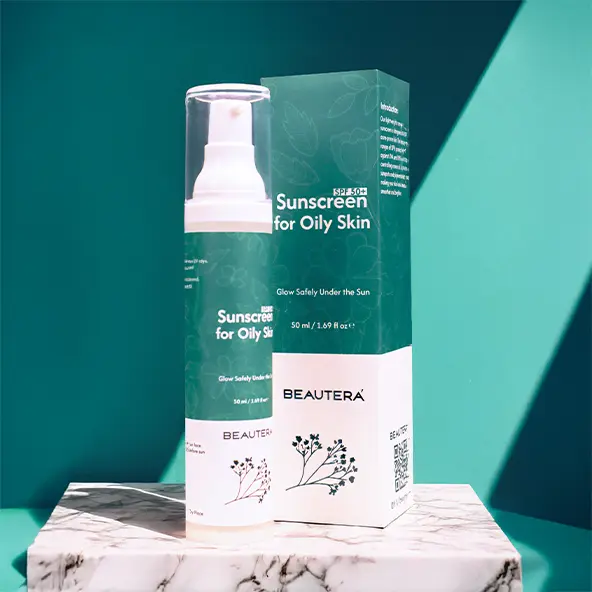
Many people with oily and acne-prone skin avoid sunscreen because they think it makes the skin greasy and causes pimples. This is a common mistake. Sun exposure can damage the skin, increase dark spots, and make acne marks worse. Choosing the right sunscreens for oily skin and acne-prone skin can protect the face while keeping the skin fresh and clean.
The best sunscreen for oily and acne-prone skin should feel light, absorb quickly, and not block pores. A good product can help control shine and prevent breakouts during hot weather and daily outdoor activities.
Understand Your Skin Type Before Buying Sunscreen
Before selecting sunscreen for oily and acne-prone skin, it is important to understand how your skin behaves. Oily skin produces extra sebum, which can create a shiny appearance. Acne-prone skin is sensitive to heavy products and clogged pores.
If your skin becomes greasy after a few hours, you need a sunscreen that controls oil. If you often get pimples or blackheads, look for formulas specially designed for acne-prone skin. The right sunscreen for oily and acne-prone skin should balance protection and comfort.
Choose Oil-Free Sunscreen Formulas
Oil-free products are the best option for oily and acne-prone skin. These sunscreens are lightweight and help reduce extra shine on the face. Heavy creams can make acne worse and leave a sticky feeling.
When shopping for sunscreen for oily and acne-prone skin, always check the label for oil-free formulas. These products are made to keep the skin breathable and comfortable throughout the day.
Oil-free sunscreen can also work well under makeup because it creates a smooth and fresh base without making the skin greasy.
Look for Non-Comedogenic Products
Non-comedogenic means the product will not clog pores. This is one of the most important things to look for when choosing sunscreen for oily and acne-prone skin.
Clogged pores are a major reason for acne breakouts. A non-comedogenic sunscreen allows the skin to breathe while protecting it from harmful UV rays.
Using non-comedogenic sunscreen for oily and acne-prone skin daily can help reduce the chance of pimples, blackheads, and skin irritation.
Pick Lightweight Gel or Water-Based Sunscreen
Texture matters a lot for oily skin. Thick and creamy sunscreens can feel uncomfortable and heavy. Gel-based and water-based formulas are usually the best choice for sunscreen for oily and acne-prone skin.
These sunscreens absorb quickly and leave a soft finish on the face. They also help reduce sweating and excess shine during hot days.
Many people prefer lightweight sunscreen for oily and acne-prone skin because it feels almost invisible after application.
Select Broad-Spectrum Protection
Broad-spectrum sunscreen protects the skin from both UVA and UVB rays. UVA rays cause skin aging and dark spots, while UVB rays cause sunburn.
A broad-spectrum sunscreen for oily and acne-prone skin helps protect sensitive skin from all types of sun damage. It also prevents acne scars from becoming darker.
Daily use of broad-spectrum sunscreen keeps the skin healthier and improves overall skin appearance over time.
Choose the Right SPF Level
SPF measures how well sunscreen protects the skin from UVB rays. Dermatologists usually recommend SPF 30 or higher for daily use.
For oily and acne-prone skin, SPF 30 or SPF 50 is often a good option. Very thick high-SPF formulas may sometimes feel greasy, so choosing a lightweight formula is important.
Using the correct SPF sunscreen for oily and acne-prone skin can prevent sun damage without making the skin uncomfortable.
Avoid Harsh Ingredients
Some sunscreens contain ingredients that may irritate acne-prone skin. Strong fragrances, heavy oils, and alcohol-based products can cause redness and dryness.
When choosing sunscreen for oily and acne-prone skin, look for gentle ingredients that soothe the skin. Products with niacinamide, green tea, or aloe vera may help calm irritation and reduce oiliness.
Reading ingredient labels carefully can help avoid products that trigger breakouts.
Matte Finish Sunscreen Is a Good Choice
Many people with oily skin prefer matte finish sunscreen because it controls shine and gives a clean look. Matte sunscreen for oily and acne-prone skin can help the face stay fresh for longer hours.
This type of sunscreen is especially useful during summer or humid weather. It can reduce the greasy appearance and improve makeup staying power.
Matte sunscreen is popular among people who want sun protection without a shiny finish.
Apply Sunscreen Correctly Every Day
Even the best sunscreen for oily and acne-prone skin will not work properly if it is not applied correctly. Use enough product to cover the entire face and neck evenly.
Apply sunscreen at least 15 minutes before going outside. Reapply every two to three hours if you spend time in the sun or sweat a lot.
Daily sunscreen use helps prevent sunburn, skin damage, and dark acne marks. Consistency is the key to healthy skin protection.
Test New Sunscreen Before Full Use
Every skin type reacts differently to skincare products. Before using a new sunscreen for oily and acne-prone skin on the full face, test it on a small area first.
Patch testing can help identify irritation, redness, or breakouts before regular use. This simple step can protect sensitive skin from unwanted reactions.
Choosing the right sunscreen may take time, but finding the perfect formula can improve both skin comfort and appearance.
Best Daily Habits for Healthy Oily and Acne-Prone Skin
Along with using sunscreen for oily and acne-prone skin, maintaining a simple skincare routine is important. Wash the face with a gentle cleanser, avoid touching pimples, and drink enough water daily.
Using lightweight moisturizers and avoiding heavy makeup can also help keep the skin balanced. Healthy habits combined with proper sunscreen use can reduce acne problems and improve skin texture.
Order now at https://beautera.co/
Trusted Beauty Products | Fast and Affordable Shipping
- Ask Nguza
- Food and Recipes
- Lifestyle
- Parenting
- Education
- Career & Business
- Sports
- Entertainment
- Marketing & Blogging
- Travel
- Confessions / Anonymous Talk
- Local News & Gossip
- Memes & Fun
- Art
- Hot Topics / Trending
- Causes
- Crafts
- Dance
- Drinks
- Film
- Fitness
- Food
- Games
- Gardening
- Health
- Home
- Literature
- Music
- Networking
- Other
- Party
- Religion
- Shopping
- Sports
- Theater
- Wellness
- Personal Development
- Technology
- Finance
 English
 Arabic
 French
 Spanish
 Portuguese
 Deutsch
 Turkish
 Dutch
Dutch
 Italiano
 Russian
 Romaian
 Portuguese (Brazil)
 Greek
Greek
