


Medicare Advantage Program: Financial and Clinical Benefits Explained
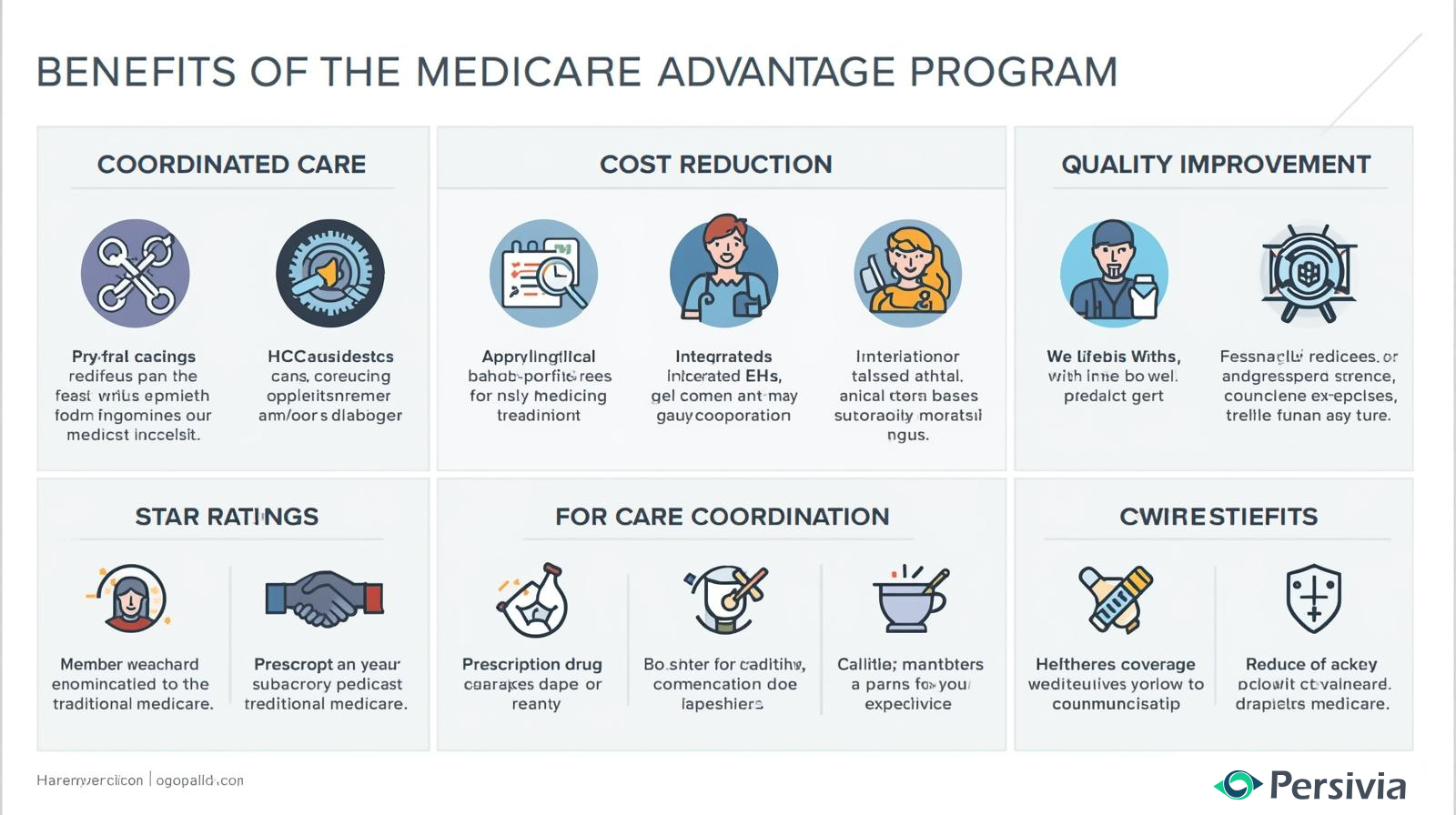
The Medicare Advantage Program is a better value based on coordinated care, cost reduction, and quality improvement. Plans perform better with HCC coding to provide a precise risk assessment, star ratings to measure quality, and integrated EHRs to facilitate the coordination of care. There are other benefits to the members, such as prescription drug coverage, wellness plans, and reduced out-of-pocket expenses relative to traditional Medicare.
There is an ongoing increase in healthcare costs, and the Medicare beneficiaries are demanding better coverage plans. The Medicare Advantage Program seems to be an effective alternative, which incorporates the traditional benefits of Medicare and adds improved services in the form of private insurance plans. The plans cover more than 28 million Americans who constitute almost half of the total Medicare beneficiaries.
Modern Medicare Advantage plans leverage advanced technology and data analytics to deliver personalized care experiences. The HCC coding benefits plans with effective risk assessment plans, star ratings on quality measurements, and integrated EHRs to enable a coordinated care delivery process. Through this strategy, healthcare delivery is no longer a reaction to treatment but a preventive approach, which will eventually benefit both members and healthcare systems.
Medicare Advantage Fundamentals
Medicare Advantage is an all-inclusive healthcare service that substitutes the normal Medicare parts A and B, whereby healthcare service providers (the insurance companies) enter into a contract with Medicare to offer these services, including extra services not offered by the original Medicare.
Core Program Structure
Medicare Advantage plans are subject to tight federal regulation but provide the benefit plan flexibility. Medicare pays plans in the form of capitation, which is based on the demographics and health status of the members. This payment structure incentivizes preventive care and population health management.
Key operational components include:
-
Risk-based contracting: Plans assume financial responsibility for member healthcare costs
-
Network management: Coordinated provider networks ensure quality care delivery
-
Benefit integration: Combines medical, prescription drug, and supplemental benefits
-
Quality oversight: Regular monitoring ensures compliance with Medicare standards
Enrollment and Eligibility Requirements
Medicare recipients are able to join Medicare Advantage at certain times of the year. Annual open enrollment is between October 15 and December 7, when the members can shop and switch plans.
Eligibility criteria remain straightforward:
-
Age 65 or older with Medicare Parts A and B
-
Under 65 with qualifying disabilities
-
End-stage renal disease patients (with some restrictions)
-
Residence within the plan's service area
Financial Benefits and Cost Structure
Medicare Advantage plans offer great economic benefits in organized cost management and higher benefits. Plans are also characterized by reduced premiums compared to the traditional Medicare and supplemental insurance arrangements.
Premium and Cost-Sharing Advantages
Many plans offer $0 premiums with comprehensive coverage. Plans achieve this through efficient care management and Medicare funding mechanisms. Out-of-pocket maximums are usually lower, and members receive annual guarantees against catastrophic expenses.
Cost-sharing structures include:
-
Lower deductibles: Many plans offer $0 deductibles for medical services
-
Predictable copayments: Fixed costs for doctor visits and procedures
-
Annual maximums: Out-of-pocket limits protect against high medical expenses
-
Prescription benefits: Integrated drug coverage reduces medication costs
Risk Adjustment and Revenue Optimization
HCC coding is important in financial sustainability in Medicare Advantage. Hierarchical Condition Categories capture the health conditions of all members correctly, and they provide the correct funding to deliver care. Plans with higher levels of HCC coding accuracy are better reimbursed, which makes it possible to provide more benefits and services.
Effective risk adjustment strategies include:
-
Comprehensive annual wellness visits
-
Accurate documentation of chronic conditions
-
Regular medication reconciliation
-
Proactive care gap identification
Clinical Benefits and Quality Improvements
The Medicare Advantage plans are known to be very successful in the coordination of care delivery by means of integrated provider networks and total care management programs. Plans concentrate on preventive care, chronic disease care, and coordination of care in various settings.
Coordinated Care Management
The teams of care work together to deal with members' health requirements actively. Care coordinators observe high-risk members so that they can intervene when needed and avoid expensive emergencies. This will save hospitalizations and enhance the overall outcomes of health.
Clinical coordination features:
-
Primary care focus: Designated physicians manage overall health strategy
-
Specialist integration: Coordinated referrals and treatment planning
-
Care transitions: Smooth handoffs between care settings
-
Medication management: Comprehensive drug therapy oversight
Preventive Services and Wellness Programs
The Medicare Advantage plans also focus on prevention by providing total wellness programs and regular screenings. Plans commonly extend beyond the standard Medicare benefits with coverage of vision, dental, and hearing insurance at no extra cost.
Quality Measurement Through Star Ratings
Star ratings provide objective quality measures for Medicare Advantage plans, ranging from one to five stars. These ratings evaluate clinical quality, member experience, and plan administration across multiple domains.
Star rating categories include:
-
Clinical outcomes and patient safety
-
Member experience and satisfaction
-
Access to care and provider communication
-
Health plan customer service
-
Drug therapy management
Plans with better star ratings are paid a bonus by Medicare, and this allows them to pay more benefits and services to their members.
Technology Integration and Digital Health
To improve care delivery and engagement with members, modern Medicare Advantage plans build on advanced technology platforms. Digital health systems combine clinical data and administrative functionality, and member communication tools on the same systems.
Electronic Health Records Integration
EHRs are the basis of coordinated care under Medicare Advantage plans. With the help of these systems, sharing of information among providers is possible in real time, and this guarantees systemic care coordination and the elimination of medical errors.
EHR integration benefits include:
-
Real-time access to member health information
-
Automated clinical decision support
-
Streamlined provider communication
-
Comprehensive medication histories
Advanced Analytics and Population Health
Data analytics drive population health management strategies in Medicare Advantage plans. Plans analyze member health patterns to identify high-risk individuals and deploy targeted interventions before acute episodes occur.
|
Analytics Function |
Clinical Impact |
Financial Benefit |
|
Risk Stratification |
Early intervention |
Reduced emergency costs |
|
Care Gap Analysis |
Improved preventive care |
Better star ratings |
|
Medication Adherence |
Chronic disease control |
Lower hospitalization rates |
|
Provider Performance |
Quality improvement |
Enhanced member satisfaction |
Regulatory Compliance and Quality Assurance
Medicare Advantage plans are based on the coordination of care with the help of EHRs. Through these systems, providers can share information in real time, and this ensures coordination of care systems and eradication of medical errors.
Compliance Framework
Plans must meet strict federal requirements covering benefit design, provider networks, and member services. Regular compliance monitoring ensures plans deliver promised benefits while maintaining financial stability.
Regulatory requirements encompass:
-
Network adequacy standards
-
Prior authorization limitations
-
Member appeals processes
-
Provider contract compliance
Quality Improvement Initiatives
Continuous quality improvement drives Medicare Advantage plan success. Plans also put into effect evidence-based clinical practices, provider education initiatives, and member engagement interventions to promote quality and outcomes of care.
Member Experience and Satisfaction
Medicare Advantage plans focus on fulfilling the satisfaction of their members by improving their customer service, increasing their benefits, and providing a unique care experience. Plans usually surpass traditional Medicare by delivering more services such as transport services, meal delivery services, and home adjustments.
Enhanced Benefits and Services
In addition to the single Medicare cover, other plans usually have useful additional benefits. These extensions deal with social determinants of health and offer realistic member support.
Popular supplemental benefits:
-
Vision and dental coverage
-
Prescription drug benefits
-
Fitness and wellness programs
-
Transportation assistance
-
Telehealth services
Care Coordination and Member Support
Care coordinators provide support to the members to navigate the healthcare systems and access the right services. These professionals are the single points of contact where members get care and support on time.
Provider Network Management
Strong provider networks form the backbone of successful Medicare Advantage plans. Plans recruit high-quality physicians and specialists while maintaining adequate geographic coverage for member convenience.
Network Quality and Access Standards
Medicare expects plans to keep adequate provider networks where access to care is reasonable. Plans should show that there are sufficient primary care physicians, specialists, and medical facilities in the relevant geographic areas.
Network management priorities:
-
Provider credentialing and quality assessment
-
Geographic accessibility requirements
-
Specialist availability and appointment access
-
Hospital and facility partnerships
Provider Performance and Accountability
Provider performance initiatives are instituted by plans that promote quality care and cost-effectiveness. Performance metrics align provider incentives with member outcomes and plan objectives.
Data Security and Privacy Protection
The Medicare Advantage plans have effective data security measures that safeguard the health information of members. Plans meet the HIPAA requirements and follow some advanced cybersecurity principles to avoid data breaches.
Health Information Protection
Detailed information security initiatives safeguard the privacy of the members and allow coordinated care. Plans strike a balance between information sharing requirements and privacy requirements using secure systems of communication and access control.
Technology-Driven Care Innovation
With the use of advanced technology platforms, the Medicare Advantage plans can provide unique experiences of care and control costs. These systems are used to process high volumes of health data to detect care opportunities and optimise the allocation of resources.
Artificial Intelligence and Machine Learning
Through AI-driven analytics, clinical decision-making and administration are enhanced. Machine learning to forecast care needs and prescribe interventions before issues get out of control is done based on the patterns of health among members.
Technology applications include:
-
Predictive modeling for health risk assessment
-
Automated quality reporting and compliance monitoring
-
Real-time care gap identification and closure
-
Provider performance analytics and benchmarking
Final Thoughts
The Medicare Advantage Program is also changing the way healthcare is delivered by employing integrated care models, modern technology, and benefits oriented to members. Plans show quantifiable changes in clinical outcomes, member satisfaction, and cost containment than the traditional Medicare alternatives.
Persivia delivers a comprehensive digital health platform that your organization needs. Our AI-driven solution improves HCC coding accuracy by 120%, enhances star ratings through integrated analytics, and seamlessly connects with existing EHRs for real-time care coordination.
Transform your Medicare Advantage program with proven technology that puts members first while driving sustainable growth. Explore more.
- Ask Nguza
- Food and Recipes
- Lifestyle
- Parenting
- Education
- Career & Business
- Sports
- Entertainment
- Marketing & Blogging
- Travel
- Confessions / Anonymous Talk
- Local News & Gossip
- Memes & Fun
- Art
- Hot Topics / Trending
- Causes
- Crafts
- Dance
- Drinks
- Film
- Fitness
- Food
- Juegos
- Gardening
- Health
- Home
- Literature
- Music
- Networking
- Other
- Party
- Religion
- Shopping
- Sports
- Theater
- Wellness
- Personal Development
- Technology
- Finance
 Spanish
 English
 Arabic
 French
 Portuguese
 Deutsch
 Turkish
 Dutch
Dutch
 Italiano
 Russian
 Romaian
 Portuguese (Brazil)
 Greek
Greek
