


Best Time to Wear Compression Socks
Introduction
Leg ease compression socks are a simple yet powerful way to improve circulation, reduce swelling, and keep your legs feeling fresh all day. At Pain Relief Australia, we often recommend them for daily comfort and long-term leg health—especially when used at the right time.
What Are Compression Socks and Why Do They Matter?
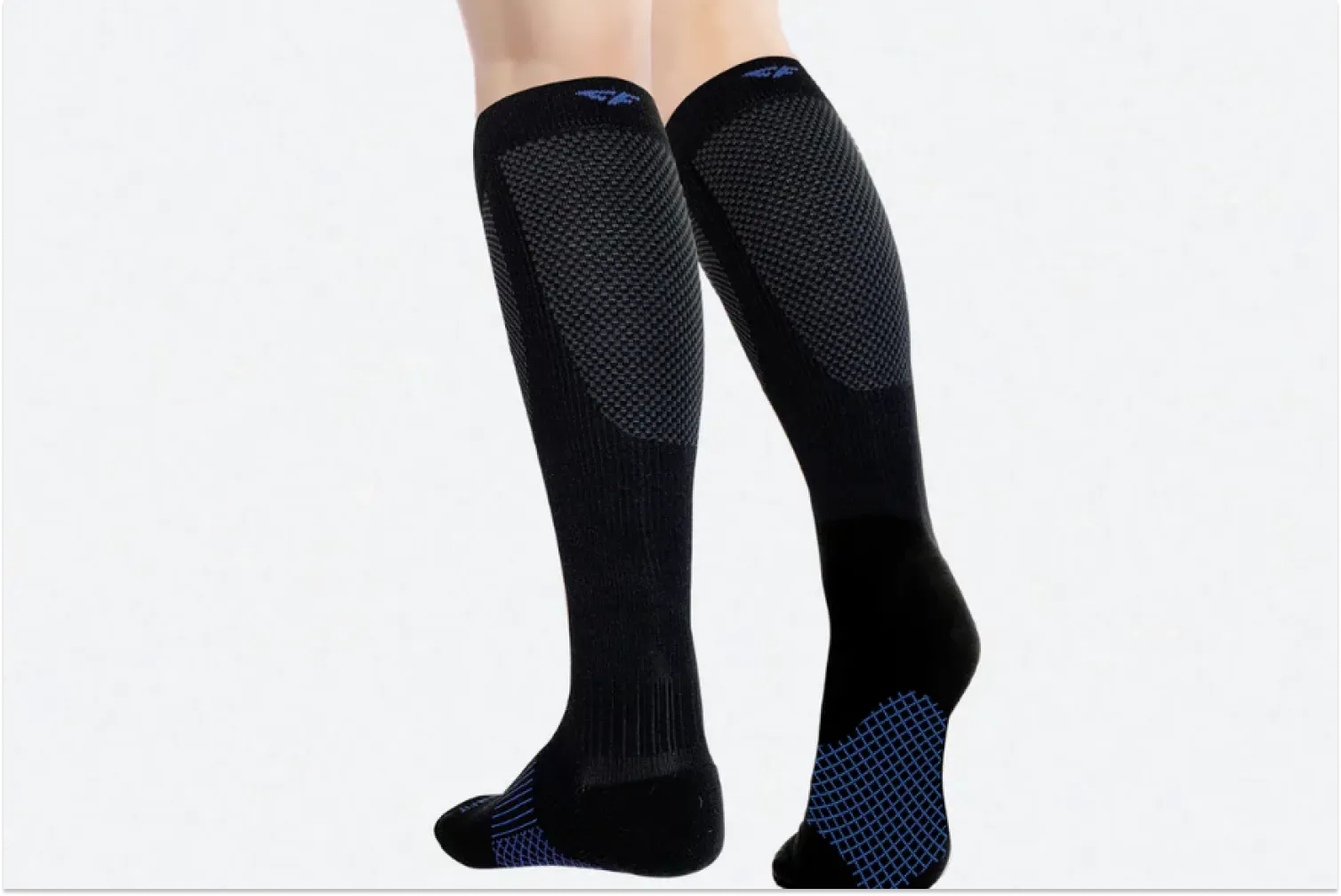
Compression socks are specially designed garments that apply graduated pressure to your legs, helping blood flow more efficiently back toward your heart. Unlike regular socks, they’re tighter around the ankle and gradually loosen as they move up the leg.
This design helps to:
-
Reduce swelling (edema)
-
Prevent fatigue in the legs
-
Support veins and circulation
-
Lower the risk of varicose veins and blood clots
Many people underestimate how impactful the timing of wearing compression socks can be. Choosing the right time of day or activity can significantly boost their effectiveness.
When Is the Best Time to Wear Compression Socks?
1. Early Morning: Start Before Swelling Begins
The best time to put on compression socks is first thing in the morning, ideally before you even get out of bed.
Why?
-
Your legs are at their least swollen after resting overnight
-
It allows the socks to prevent swelling, rather than trying to reduce it later
If you wait until later in the day, your legs may already be swollen, making it harder for the socks to work effectively.
2. During Long Periods of Sitting or Standing
If your daily routine involves staying in one position for long periods, compression socks are essential.
Ideal for:
-
Office workers sitting at desks
-
Retail staff or healthcare workers standing for hours
-
Drivers or frequent commuters
Wearing leg ease compression socks during these times helps:
-
Maintain blood flow
-
Reduce heaviness and fatigue
-
Prevent swelling buildup
At Pain Relief Australia, we often recommend them for professionals who experience daily leg strain.
3. While Traveling (Especially Long Flights)
Travel is one of the most important times to wear compression socks.
Why?
-
Sitting for long periods slows circulation
-
Increased risk of deep vein thrombosis (DVT)
-
Legs can swell due to cabin pressure changes
Wearing compression socks during flights or long car trips can:
-
Improve circulation
-
Reduce swelling
-
Keep legs comfortable throughout the journey
Pro tip: Put them on before your trip starts, not midway through.
4. During Exercise or Physical Activity
Compression socks aren’t just for rest—they’re also useful during movement.
Benefits during exercise:
-
Improved oxygen delivery to muscles
-
Reduced muscle vibration
-
Faster recovery
Athletes often wear them during:
-
Running
-
Gym workouts
-
Cycling
Using leg ease compression socks during workouts can help minimize fatigue and enhance endurance.
5. After Exercise for Recovery
Post-workout recovery is another excellent time to wear compression socks.
After intense activity:
-
Muscles can become inflamed
-
Blood and fluid can pool in the legs
Compression socks help:
-
Reduce soreness
-
Speed up recovery
-
Flush out metabolic waste
This is why many fitness enthusiasts and athletes trust solutions recommended by Pain Relief Australia.
6. During Pregnancy
Pregnancy often brings increased pressure on veins, especially in the legs.
Common issues include:
-
Swelling in feet and ankles
-
Varicose veins
-
Leg fatigue
Wearing compression socks during the day can:
-
Improve comfort
-
Support circulation
-
Reduce swelling
Doctors frequently recommend them for expecting mothers as a preventative measure.
7. If You Have Medical Conditions
Certain health conditions make compression socks not just helpful—but necessary.
These include:
-
Varicose veins
-
Chronic venous insufficiency
-
Diabetes-related circulation issues
-
Lymphedema
In such cases, wearing compression socks throughout the day is often advised. However, always consult a healthcare provider for the right compression level.
8. Avoid Wearing Them at Night (Unless Advised)
In most cases, compression socks are not meant to be worn while sleeping.
Why?
-
Your body is already in a horizontal position
-
Gravity is not affecting circulation as much
-
Continuous compression may be unnecessary or uncomfortable
Only wear them at night if specifically recommended by a medical professional.
How Long Should You Wear Compression Socks?
The duration depends on your lifestyle and needs.
General guidelines:
-
Daily use: 6–12 hours
-
Travel: Entire duration of the journey
-
Work shifts: Throughout your shift
-
Exercise: During and/or after activity
The key is consistency. Wearing them regularly at the right times maximizes their benefits.
Choosing the Right Compression Level
Not all compression socks are created equal. They come in different pressure levels, measured in mmHg (millimeters of mercury).
Common levels:
-
Mild (8–15 mmHg): Everyday comfort
-
Moderate (15–20 mmHg): Light swelling, travel
-
Firm (20–30 mmHg): Medical-grade support
If you’re unsure, it’s best to start with moderate compression or consult experts like those at Pain Relief Australia.
Tips for Getting the Most Out of Compression Socks
To maximize the effectiveness of your leg ease compression socks, follow these simple tips:
-
Put them on in the morning before swelling starts
-
Ensure they fit snugly but not painfully tight
-
Wash them regularly to maintain elasticity
-
Replace them every 3–6 months if used frequently
Consistency and proper use make all the difference.
Common Mistakes to Avoid
Even though compression socks are simple to use, many people make mistakes that reduce their effectiveness.
Avoid:
-
Wearing the wrong size
-
Putting them on after swelling has already started
-
Rolling or folding the top (this restricts circulation)
-
Wearing worn-out socks that have lost elasticity
Using high-quality products like leg ease compression socks ensures better results and comfort.
Who Can Benefit the Most?
Compression socks are not just for people with medical conditions—they’re for anyone who wants healthier, more comfortable legs.
Ideal users include:
-
Office workers
-
Travelers
-
Athletes
-
Pregnant women
-
Seniors
-
Healthcare workers
At Pain Relief Australia, we believe compression socks are a simple daily upgrade for overall leg wellness.
Final Thoughts: Timing Makes All the Difference
The effectiveness of compression socks isn’t just about wearing them—it’s about when you wear them. From early mornings to long flights and post-workout recovery, choosing the right time can dramatically improve results.
- Ask Nguza
- Food and Recipes
- Lifestyle
- Parenting
- Education
- Career & Business
- Sports
- Entertainment
- Marketing & Blogging
- Travel
- Confessions / Anonymous Talk
- Local News & Gossip
- Memes & Fun
- Art
- Hot Topics / Trending
- Causes
- Crafts
- Dance
- Drinks
- Film
- Fitness
- Food
- Jogos
- Gardening
- Health
- Início
- Literature
- Music
- Networking
- Outro
- Party
- Religion
- Shopping
- Sports
- Theater
- Wellness
- Personal Development
- Technology
- Finance
 Portuguese (Brazil)
 English
 Arabic
 French
 Spanish
 Portuguese
 Deutsch
 Turkish
 Dutch
Dutch
 Italiano
 Russian
 Romaian
 Greek
Greek
