


Strengthening Mining and Construction Projects with Cable Grout and Tunnel Guard
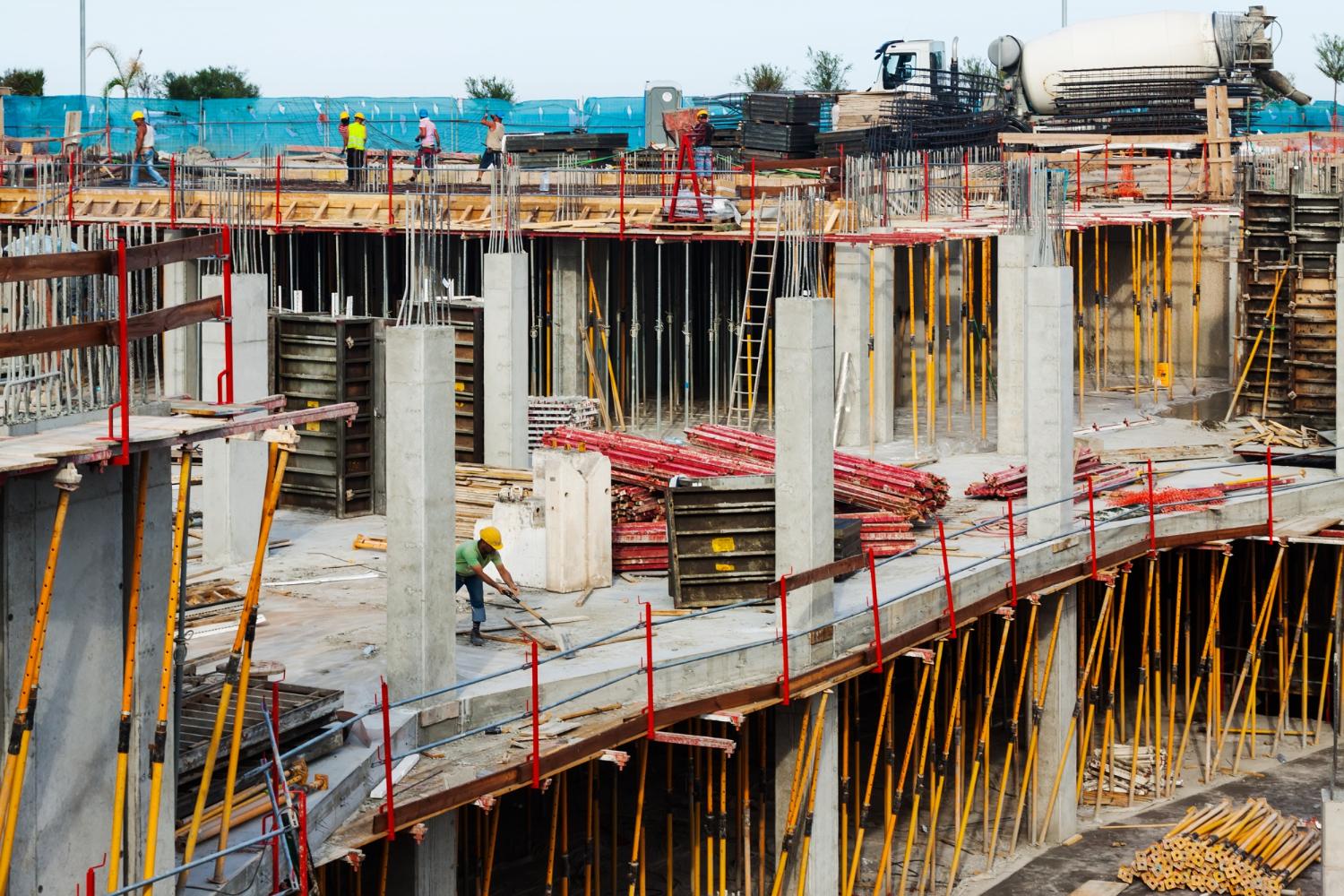
Introduction
In mining and construction, the stability of underground structures and tunnels is critical—not only for the longevity of the project but also for the safety of workers. Every excavation or tunnel creates an environment where rock movement, water ingress, and environmental pressures can pose serious risks. To combat these challenges, advanced materials and reinforcement systems are essential.
Two solutions that stand out in modern mining and tunneling are cable grout (learn more here) and Tunnel Guard (explore details). Together, these technologies offer a powerful combination for reinforcing rock formations, stabilizing underground excavations, and ensuring long-term safety.
This blog will explore how cable grouting and Tunnel Guard work, their importance in mining and construction, cost considerations, and case studies where they have made a measurable impact. By the end, you’ll have a comprehensive understanding of how these systems improve structural stability, extend project lifespans, and protect workers.
Understanding Cable Grout: The Backbone of Rock Reinforcement
Cable grout is a high-strength material used to secure rock bolts, cables, and anchors into rock formations. In mining and tunneling, reinforcing unstable rock masses is critical to preventing collapses and ensuring safety. Grouting fills the void between the rock and support structures, creating a firm bond that resists movement and water seepage.
Key Benefits of Cable Grout
-
Structural Strength – Provides long-term support to rock bolts and cables, enhancing load-bearing capacity.
-
Durability – Resistant to cracking, shrinkage, and environmental wear, making it ideal for harsh mining environments.
-
Versatility – Suitable for different geological conditions, from soft soils to hard rock.
-
Safety Assurance – Reduces risks of rock falls or collapses, protecting workers and equipment.
For example, in deep-level gold mines in South Africa, cable grout is used extensively to stabilize shafts and tunnels. By reinforcing the rock, mine operators can safely extend operations to greater depths while minimizing risks.
Tunnel Guard: Surface Protection for Underground Structures
While cable grout strengthens rock support systems, Tunnel Guard offers a protective layer for tunnel surfaces. It is a high-quality spray-on liner designed to coat walls and ceilings of underground tunnels, providing immediate support and protection against rock degradation.
Advantages of Tunnel Guard
-
Immediate Stabilization: Quickly binds loose rock particles and reduces hazards.
-
Waterproofing: Creates a barrier that reduces water ingress in tunnels.
-
Durability: Withstands abrasion and harsh underground conditions.
-
Improved Working Conditions: Reduces dust, debris, and loose rock in tunnels, improving safety for miners.
A coal mine in Mpumalanga, South Africa, successfully applied Tunnel Guard to newly developed shafts. The protective liner reduced rock spalling incidents by 35% and improved ventilation efficiency by sealing porous surfaces.
How Cable Grout and Tunnel Guard Work Together
In underground operations, strength and surface protection go hand in hand. Using cable grout to anchor support structures ensures internal stability, while Tunnel Guard provides a protective coating on exposed surfaces. Together, they create a multi-layered safety system.
-
Internal Stability (Cable Grout): Anchors rock bolts and support cables securely into rock masses.
-
Surface Protection (Tunnel Guard): Prevents loose rock, dust, and water ingress.
This combination not only improves tunnel longevity but also reduces maintenance costs by minimizing structural damage over time.
Applications in Mining
1. Deep-Level Mines
In gold and platinum mines, where depths exceed 3 km, ground pressure is immense. Cable grout provides the deep anchoring required, while Tunnel Guard ensures tunnel walls remain intact against rock bursts and spalling.
2. Coal Mines
Coal seams often produce loose and unstable rock. Tunnel Guard creates a protective layer, while grouted cables offer strong reinforcement in weaker strata.
3. Shaft Sinking Projects
During shaft sinking, rapid stabilization is essential to prevent delays. Cable grout anchors provide structural strength, while Tunnel Guard immediately coats exposed rock, reducing risks of collapse.
Applications in Civil Construction
While mining is the largest user, cable grout and Tunnel Guard are also vital in civil infrastructure projects.
-
Subway Tunnels: Reinforcing underground rail systems for passenger safety.
-
Hydropower Projects: Stabilizing tunnels carrying water under pressure.
-
Road and Rail Tunnels: Providing long-lasting reinforcement in high-traffic routes.
-
Slope Stabilization: Used in highway cuttings and dams to prevent landslides.
Cost Considerations
The cost of using cable grout and Tunnel Guard depends on project size, geological conditions, and application methods.
Factors Influencing Cost
-
Material Type and Quantity – Higher-strength grouts and thicker Tunnel Guard applications cost more.
-
Geological Conditions – Softer or fractured rock requires more reinforcement.
-
Application Equipment – Spraying Tunnel Guard requires specialized pumps and trained crews.
-
Project Scale – Large projects often reduce cost per square meter due to economies of scale.
Although initial investment may seem high, long-term benefits include reduced accidents, lower maintenance costs, and extended tunnel life—making these solutions highly cost-effective.
Safety and Regulatory Compliance
Both cable grout and Tunnel Guard align with international mining safety standards. Mines that fail to reinforce tunnels adequately face higher risks of accidents, legal penalties, and costly downtime. By using these reinforcement systems, companies not only protect workers but also ensure compliance with regulatory bodies such as the Department of Mineral Resources and Energy (DMRE) in South Africa.
Case Study: Gold Mine Reinforcement
In a large gold mine in Gauteng, unstable rock conditions posed a significant risk to workers. The mine implemented a dual strategy: grouting deep cable anchors and applying Tunnel Guard to newly excavated tunnels.
Results after 12 months:
-
Rock falls reduced by 42%
-
Tunnel lifespan extended by 7 years
-
Worker productivity increased due to improved safety
This case demonstrates how combining reinforcement technologies yields measurable improvements in safety and cost efficiency.
Innovations and the Future of Underground Reinforcement
As technology advances, both cable grout and Tunnel Guard are evolving.
-
Fiber-Reinforced Grouts: Offering enhanced tensile strength.
-
Eco-Friendly Formulations: Reducing carbon footprint by incorporating recycled materials.
-
Robotic Application of Tunnel Guard: Increasing accuracy while keeping workers safe in high-risk areas.
-
Self-Healing Materials: Experimental products designed to repair small cracks automatically.
These innovations signal a future where underground projects are safer, more sustainable, and more cost-effective.
Conclusion
Underground mining and construction demand solutions that ensure safety, efficiency, and durability. Cable grout (learn more) provides deep structural reinforcement by anchoring cables and bolts, while Tunnel Guard (explore here) offers surface protection that prevents rock spalling, dust, and water ingress.
Together, these technologies form a robust system that not only safeguards workers but also reduces costs and extends project lifespans. For mining companies, civil engineers, and infrastructure developers, investing in advanced reinforcement is not an option—it’s a necessity for safe and successful operations.
Frequently Asked Questions (FAQ)
1. What is cable grout used for in mining?
Cable grout is used to secure cables and bolts into rock formations, providing long-term stability and preventing collapses in tunnels and shafts.
2. How does Tunnel Guard improve tunnel safety?
Tunnel Guard coats tunnel surfaces, binding loose rock particles, reducing dust, and preventing water ingress. This creates safer, more durable underground environments.
3. Is cable grouting expensive?
While cable grouting adds to upfront costs, it saves money long-term by reducing accidents, minimizing downtime, and extending the lifespan of tunnels and shafts.
4. Can Tunnel Guard be applied to civil construction projects?
Yes. Tunnel Guard is widely used in road tunnels, subway systems, and hydropower projects to stabilize surfaces and protect infrastructure.
5. How long do cable grout and Tunnel Guard last?
With proper application, both systems can last decades, ensuring ongoing stability and safety in underground structures.
6. Are these solutions environmentally friendly?
Modern formulations of grout and Tunnel Guard are increasingly eco-conscious, with some incorporating recycled materials and lower-carbon binders.

- Ask Nguza
- Food and Recipes
- Lifestyle
- Parenting
- Education
- Career & Business
- Sports
- Entertainment
- Marketing & Blogging
- Travel
- Confessions / Anonymous Talk
- Local News & Gossip
- Memes & Fun
- Art
- Hot Topics / Trending
- Causes
- Crafts
- Dance
- Drinks
- Film
- Fitness
- Food
- Игры
- Gardening
- Health
- Главная
- Literature
- Music
- Networking
- Другое
- Party
- Religion
- Shopping
- Sports
- Theater
- Wellness
- Personal Development
- Technology
- Finance
 Russian
 English
 Arabic
 French
 Spanish
 Portuguese
 Deutsch
 Turkish
 Dutch
Dutch
 Italiano
 Romaian
 Portuguese (Brazil)
 Greek
Greek
