


How Vessels Work and Loading/Unloading of Containers
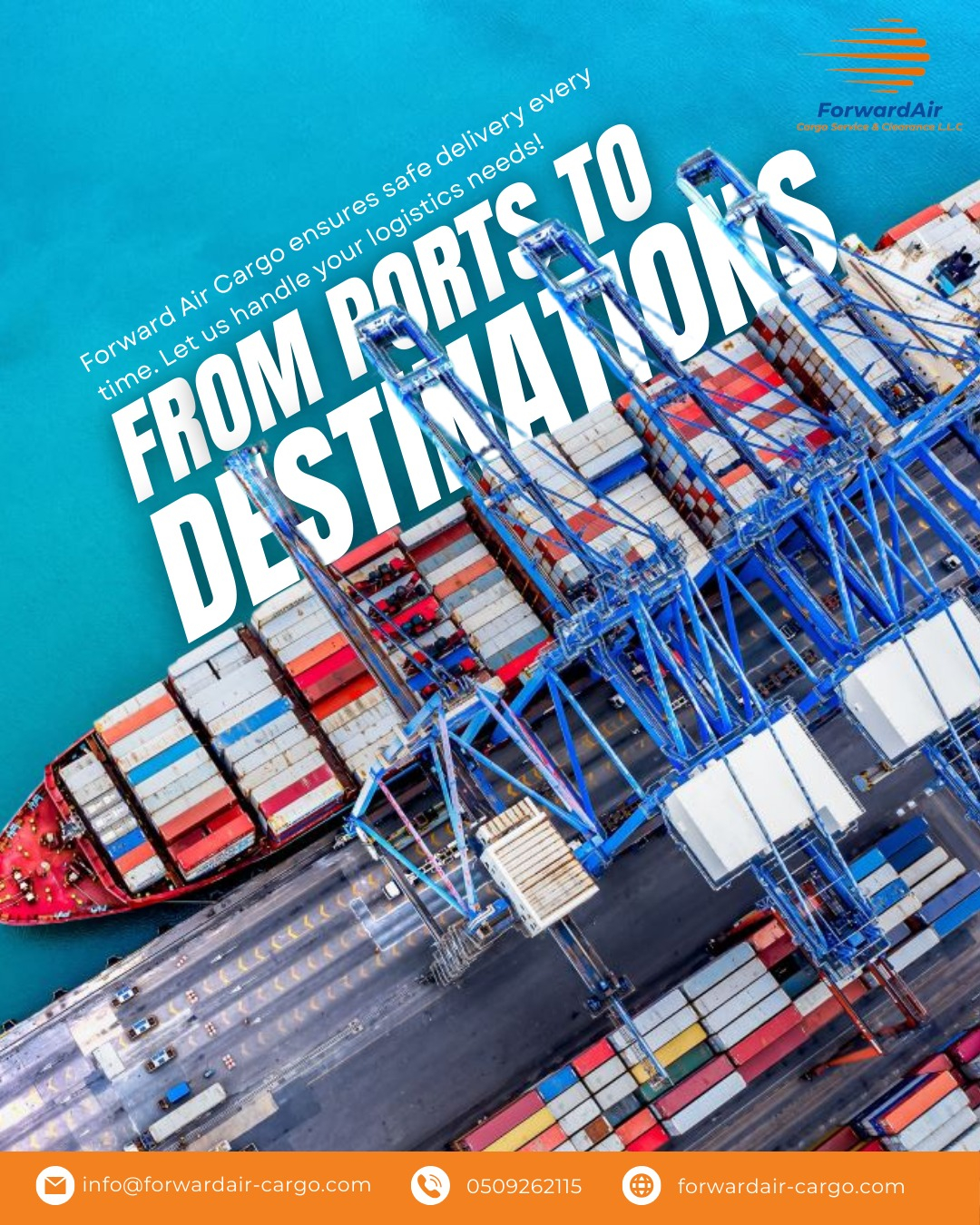
How Vessels Work and Loading/Unloading of Containers
Container vessels form the backbone of world trade, moving goods across oceans and continents. These vessels are specially designed to carry standardized containers that make cargo handling efficient and smooth. Understanding how these vessels operate and the process of loading and unloading containers offers valuable insight into modern logistics.
How Container Vessels Operate
The container vessels are huge ships, each carrying a number of containers with sizes usually either 20-foot (TEUs) or 40-foot (FEUs). They sail on fixed shipping routes between major ports around the world. Sea freight services in Dubai and ROW play important roles in world trade
Design and Capacity:
The container vessels have a flat deck with container slots so that they can be stacked vertically and horizontally.
Some ships can carry more than 20,000 TEUs, making them very efficient for bulk transport.
Navigation and Routing:
Advanced navigation systems permit vessels to negotiate sea routes safely through the busy sea lane through the Suez Canal or the Panama Canal.
Pre-planned operations planned in advance so that the fuel consumption may be brought as low as possible and maximum efficiency could be achieved.
Onboard Systems:
Automation on board modern ships is monitoring cargo and stability for undertaking safe voyages.
The Loading Process
Pre-Arrival Preparation:
Well in advance of the vessel's arrival to the port, detailed stowage plans are developed showing where each container will go onboard.
Containers are "bunched" into groups by destination, commodity type-for instance, refrigerated or hazardous-and weight for balance.
Loading Equipment:
The port terminals use gantry cranes to swing containers from a truck or railcar onto the vessel.
The boxes are prevented from movement during transportation by a twist lock.
Coordination:
Terminal operators and ship crew coordinate the correct sequence of loading according to the stowage plan.
The Unloading Process
Arrival to Port:
The vessel is berthed and unloading operations begin immediately.
Cranes and Equipment:
Gantry cranes take off containers from the vessel and move them onto trucks, trains, or storage areas within the terminal.
Inspection and Customs:
The containers may further be inspected or taken through customs clearance before being released to the owners.
Conclusion This indeed is a very highly coordinated effort involving advanced technology, skilled labor, and a lot of planning. Efficiency in the operation of the container vessels and the processes at loading and unloading ensure a very smooth flow of goods in the global supply chain, making them quite relevant in modern commerce.
- Ask Nguza
- Food and Recipes
- Lifestyle
- Parenting
- Education
- Career & Business
- Sports
- Entertainment
- Marketing & Blogging
- Travel
- Confessions / Anonymous Talk
- Local News & Gossip
- Memes & Fun
- Art
- Hot Topics / Trending
- Causes
- Crafts
- Dance
- Drinks
- Film
- Fitness
- Food
- Oyunlar
- Gardening
- Health
- Home
- Literature
- Music
- Networking
- Other
- Party
- Religion
- Shopping
- Sports
- Theater
- Wellness
- Personal Development
- Technology
- Finance
 Turkish
 English
 Arabic
 French
 Spanish
 Portuguese
 Deutsch
 Dutch
Dutch
 Italiano
 Russian
 Romaian
 Portuguese (Brazil)
 Greek
Greek
