Future of Farming: Hydroponics Market Set for Double-Digit Growth Through 2034
The global agriculture industry is undergoing a transformative shift, and at the center of this evolution is hydroponics—an innovative, soil-free farming technique redefining how food is produced. With increasing concerns over food security, water scarcity, and climate change, hydroponics is emerging as a sustainable solution for modern agriculture.
According to Renub Research, the global hydroponics market is projected to grow from US$ 6.32 billion in 2025 to US$ 16.9 billion by 2034, registering a strong CAGR of 11.55% from 2026 to 2034. This rapid growth highlights the increasing adoption of controlled environment agriculture and the urgent need for resource-efficient farming systems.
Download Free Sample Report:https://www.renub.com/request-sample-page.php?gturl=hydroponics-market-p.php
What is Hydroponics? A New Era of Soil-Free Agriculture
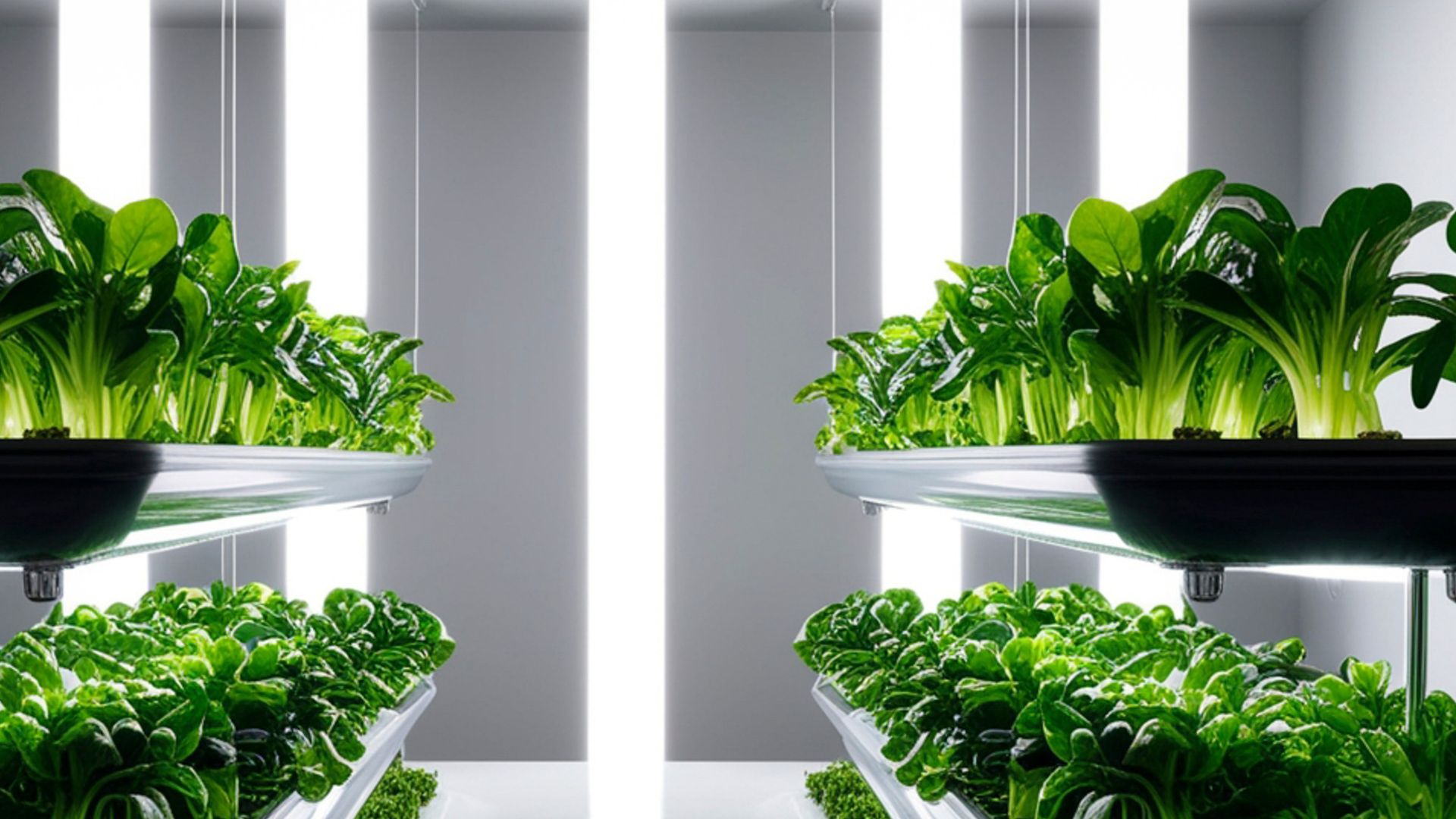
Hydroponics is an advanced farming technique where plants are grown without soil, using nutrient-rich water solutions. Instead of traditional soil, plants are supported by inert materials such as coco coir, perlite, or rockwool, or in some cases, their roots are directly submerged in water.
This method offers several advantages:
- Faster plant growth and higher yields
- Reduced water consumption (up to 90% less than traditional farming)
- Year-round crop production
- Minimal use of pesticides and chemicals
Hydroponics is widely used to cultivate vegetables, fruits, and herbs, making it an ideal solution for both commercial farming and urban agriculture.
Key Growth Drivers Shaping the Hydroponics Market
Rising Demand for Sustainable and Resource-Efficient Agriculture
Sustainability is a major driving force behind the hydroponics market. Traditional farming methods require significant amounts of water, land, and chemical inputs, while hydroponics offers a more efficient alternative.
Key benefits include:
- Significant reduction in water usage
- Lower environmental impact
- Precise nutrient management
- Reduced soil degradation
As climate change intensifies and arable land becomes scarce, governments and organizations are increasingly promoting hydroponics as a sustainable agricultural solution.
Urbanization and Growth of Controlled Environment Agriculture (CEA)
Rapid urbanization has created a growing gap between food production and consumption. Hydroponics addresses this challenge by enabling food production in urban environments through controlled environment agriculture (CEA).
Hydroponic systems can be implemented in:
- Rooftops
- Warehouses
- Indoor vertical farms
- Greenhouses
These systems ensure consistent crop quality and allow farmers to grow fresh, local produce in areas where traditional farming is not feasible.
Technological Advancements and Automation
Technology is playing a crucial role in the expansion of the hydroponics market. Innovations in:
- LED grow lighting
- Climate control systems
- Nutrient delivery systems
- Automation and AI
are improving efficiency and scalability.
Modern hydroponic systems allow farmers to monitor and control crop conditions in real time, reducing labor costs and minimizing errors. Automation is making hydroponics more accessible to both small-scale and commercial growers.
Market Challenges: Barriers to Adoption
High Initial Investment Costs
One of the major challenges in the hydroponics market is the high cost of setting up systems. Expenses related to:
- Infrastructure
- Equipment
- Energy consumption
can be significant, particularly for small and medium-scale farmers.
Although hydroponics offers long-term benefits and higher yields, the initial investment remains a barrier to widespread adoption.
Technical Complexity and Skill Gaps
Hydroponics requires specialized knowledge in areas such as:
- Nutrient management
- pH balance
- System maintenance
The lack of skilled professionals and technical expertise, especially in developing regions, can hinder market growth. Training and education are essential to overcome this challenge.
Segment Insights: Key Areas Driving Market Expansion
Aggregate Systems: Simplicity and Efficiency
Aggregate hydroponic systems use inert growing media such as coco coir and perlite to support plant roots. These systems are popular due to:
- Ease of use
- Better root support
- Efficient water and nutrient management
They are widely used for crops like tomatoes, cucumbers, and peppers.
Tomatoes Segment: Leading Crop Category
Tomatoes represent one of the most prominent crops in hydroponic farming due to:
- High global demand
- Suitability for controlled environments
- Consistent yield and quality
Hydroponically grown tomatoes are preferred for their freshness, reduced pesticide use, and sustainability.
HVAC and Irrigation Systems: Enabling Optimal Growth
Equipment such as HVAC and irrigation systems play a critical role in hydroponics by maintaining optimal growing conditions.
- HVAC systems regulate temperature and humidity
- Irrigation systems ensure precise water and nutrient delivery
As hydroponic farms scale up, demand for advanced equipment is expected to increase significantly.
Regional Insights: Global Market Trends
United States: Leading Commercial Adoption
The U.S. hydroponics market is rapidly expanding, driven by:
- Large-scale commercial farming operations
- Investments in vertical farming and greenhouse technologies
- Growing consumer demand for fresh, local produce
Technological advancements and policy support are further accelerating market growth.
United Kingdom: Focus on Food Security
In the UK, hydroponics is gaining traction due to:
- Dependence on food imports
- Demand for locally produced, sustainable food
- Government support for urban agriculture
Hydroponics enables year-round production, making it a valuable solution for food security.
India: Emerging Market with Strong Potential
India’s hydroponics market is still in its early stages but shows significant growth potential due to:
- Rapid urbanization
- Water scarcity
- Limited agricultural land
Government initiatives and startup activity are expected to drive adoption in the coming years.
Saudi Arabia: Water Conservation Driving Growth
Saudi Arabia is adopting hydroponics to address:
- Water scarcity
- Limited arable land
- Food security concerns
Government-backed projects and investments in controlled environment agriculture are supporting market expansion.
Competitive Landscape: Key Industry Players
The hydroponics market includes a mix of global companies and innovative startups. Key players include:
- Village Farms International Inc.
- Scotts-Miracle-Gro
- AeroFarms
- AmHydro
- Argus Control Systems Limited
- Emirates Hydroponics Farms
- Freight Farms Inc.
- BrightFarms
These companies are focusing on technological innovation, sustainability, and scalability to strengthen their market position.
Market Segmentation Overview
By Type:
- Aggregate Systems
- Liquid Systems
By Crops:
- Tomatoes
- Herbs
- Lettuce
- Cucumbers
- Peppers
- Others
By Equipment:
- HVAC
- LED Grow Lights
- Irrigation Systems
- Material Handling
- Control Systems
- Others
This segmentation highlights the diverse applications and opportunities within the hydroponics market.
Future Outlook: Farming Beyond Soil
The hydroponics market is set to play a pivotal role in the future of agriculture. Key trends shaping the industry include:
- Expansion of urban farming and vertical agriculture
- Increased adoption of automation and AI
- Growing focus on sustainability and resource efficiency
- Rising demand for fresh, pesticide-free produce
As global challenges such as climate change and food security intensify, hydroponics offers a scalable and sustainable solution.
Final Thoughts
The global hydroponics market is on a strong growth trajectory, driven by the need for sustainable, efficient, and innovative farming methods. With a projected CAGR of 11.55% through 2034, the market presents significant opportunities for investors, farmers, and technology providers.
While challenges such as high initial costs and technical complexity remain, ongoing advancements in technology and increasing awareness are expected to drive widespread adoption. As agriculture continues to evolve, hydroponics is set to become a cornerstone of the future food production system.



 Portuguese
 English
 Arabic
 French
 Spanish
 Deutsch
 Turkish
 Dutch
Dutch
 Italiano
 Russian
 Romaian
 Portuguese (Brazil)
 Greek
Greek
