


A Tapestry of Tape: Uncovering Appalachia's Holotape Histories
The true soul of *Fallout 76*'s initial, hauntingly empty world was not found in its vistas, but in its silence—a silence punctuated by the soft, mechanical click of inserting a **holotape**. In the absence of human NPCs at launch, these audio logs became the primary architects of narrative, weaving a profoundly tragic and intimate tapestry of a world that ended not with a single bang, but with a slow, desperate whimper. They remain the foundational layer of Appalachia's story, masterclasses in environmental storytelling that gave weight to every deserted home and overgrown factory.
Each discovered **holotape** is a direct conduit to October 23, 2077, and its brutal aftermath. They are intensely personal artifacts, not dry historical records. Through them, players do not learn about the Great War; they *feel* it through the panicked, final message of a mother trapped in a subway. They witness the founding and fracturing of the Responders through the idealism of a firefighter turned leader, and the subsequent despair as the Scorched plague overran their hospitals. The saga of the Free States, a group of paranoid survivalists tragically proven right, is told entirely through the increasingly isolated and frantic recordings of its members. These are not heroes on an epic quest; they are ordinary people—soldiers, scientists, cooks, teenagers—whose lives were unraveled by forces beyond their control.
This method of storytelling demanded a different kind of engagement from the player. It transformed exploration into active archaeology. A crumbling cabin in the Forest was no longer just a lootable structure; it was a crime scene waiting for its story to be heard. Finding a skeleton slumped in a chair next to a terminal and a holotape created a powerful, somber connection. You would piece together the last days of a person who tried to grow tomatoes on a roof, or a musician who kept playing as the world died. The environmental clues—the placement of objects, the scrawled notes—combined with the audio to create a complete, heartbreaking picture.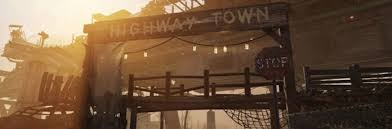
Even with the reintroduction of living NPCs, the **holotape** legacy remains vital. The current inhabitants of Appalachia often reference the ghosts on the tapes. The Settlers and Raiders are literally walking in the footsteps of the dead, trying to avoid their mistakes. New audio logs continue to be added, deepening existing lore or introducing new mysteries, ensuring the past remains a palpable, audible presence. They provide context that makes the present more meaningful; helping the fledgling Settlers at Foundation feels more significant when you've heard the original Responders' struggle.
In this way, the holotapes achieved something unique. They fostered a profound sense of loneliness and melancholy that perfectly suited the original premise of being truly alone in a vast, beautiful grave. They made the player not just a survivor, but a witness and a curator of lost souls. The stories they hold—of courage, folly, love, and sheer human stubbornness—are the bedrock upon which the new Appalachia is being built. To play Fallout 76 Bottle Caps is to become an archivist of the apocalypse, carrying the voices of the dead in your pocket, ensuring that in a world obsessed with rebuilding the future, the past is never truly silenced.
- Ask Nguza
- Food and Recipes
- Lifestyle
- Parenting
- Education
- Career & Business
- Sports
- Entertainment
- Marketing & Blogging
- Travel
- Confessions / Anonymous Talk
- Local News & Gossip
- Memes & Fun
- Art
- Hot Topics / Trending
- Causes
- Crafts
- Dance
- Drinks
- Film
- Fitness
- Food
- Juegos
- Gardening
- Health
- Home
- Literature
- Music
- Networking
- Other
- Party
- Religion
- Shopping
- Sports
- Theater
- Wellness
- Personal Development
- Technology
- Finance
 Spanish
 English
 Arabic
 French
 Portuguese
 Deutsch
 Turkish
 Dutch
Dutch
 Italiano
 Russian
 Romaian
 Portuguese (Brazil)
 Greek
Greek
