


Home Remodeling Mistakes to Avoid for a Perfect Upgrade
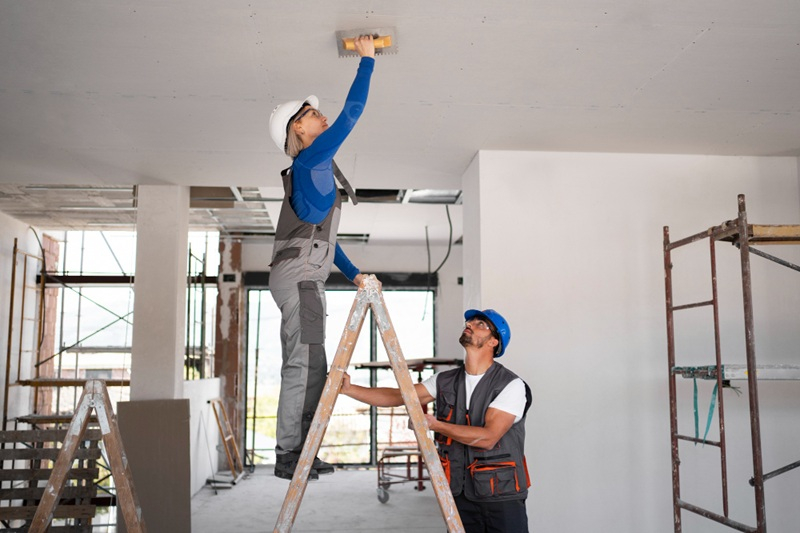
Home remodeling is one of the most effective ways to improve comfort, functionality, and property value. Whether you’re updating a single room or renovating your entire house, the process can be both exciting and overwhelming. While a successful remodel can completely transform your living space, mistakes along the way can lead to unnecessary stress, wasted money, and disappointing results. Understanding common home remodeling mistakes—and how to avoid them—will help ensure a smooth renovation and a perfect upgrade.
Failing to Define Clear Goals
One of the most common home remodeling mistakes is starting a project without clear goals. Many homeowners begin renovations with a vague idea of what they want, which can result in inconsistent designs and frequent changes.
Before any work begins, clearly define your objectives. Are you remodeling to improve functionality, increase resale value, or enhance aesthetics? Clear goals guide design choices, budgeting, and timelines, keeping the project focused from start to finish.
Inadequate Planning and Research
Skipping the planning phase often leads to delays and cost overruns. Remodeling involves many moving parts, from design and materials to labor and permits.
Take time to research materials, layouts, and general contractors. Create a detailed project plan that outlines each phase of the remodel. Proper planning ensures fewer surprises and a more efficient renovation process.
Underestimating the True Cost
Budget miscalculations are a major remodeling pitfall. Many homeowners only consider visible costs like materials and labor, overlooking expenses such as permits, inspections, disposal fees, and unexpected repairs.
To avoid this mistake, develop a realistic budget and include a contingency fund of at least 10–20 percent. This buffer helps manage unforeseen issues without compromising the quality of your remodel.
Hiring the Wrong Contractor
Choosing an unqualified or inexperienced contractor can derail your entire project. Selecting based solely on the lowest quote often results in poor workmanship and missed deadlines.
Always verify licenses, insurance, and references. Read reviews and ask for examples of completed projects. A reputable contractor ensures quality work, clear communication, and reliable timelines.
Not Getting a Detailed Contract
A vague or incomplete contract can lead to misunderstandings and disputes. Verbal agreements may be forgotten or misinterpreted during the project.
Ensure your contract includes scope of work, materials, costs, payment schedules, timelines, warranties, and procedures for changes. A well-documented agreement protects both parties and keeps expectations aligned.
Ignoring Permits and Building Codes
Skipping permits to save time or money is a serious mistake. Unpermitted work can result in fines, failed inspections, and issues when selling your home.
Work with your contractor to secure all required permits and follow local building codes. Compliance ensures safety, legality, and long-term value.
Choosing Style Over Functionality
While aesthetics matter, prioritizing style over functionality often leads to regret. A beautiful space that doesn’t meet everyday needs can quickly become impractical.
Focus on layouts, storage, lighting, and durable materials. A successful remodel balances visual appeal with comfort and usability.
Making Decisions Too Late
Delaying decisions on finishes, fixtures, or layouts can slow progress and increase costs. Last-minute changes disrupt schedules and lead to rushed choices.
Finalize as many decisions as possible before construction begins. Early planning keeps the project moving smoothly and avoids unnecessary stress.
Overlooking Lighting and Ventilation
Lighting and ventilation are often underestimated during remodeling. Poor lighting can make even the most stylish space feel uninviting, while inadequate ventilation leads to moisture problems.
Incorporate layered lighting and proper airflow into your design. Thoughtful planning improves comfort, energy efficiency, and overall ambiance.
Following Trends Without Long-Term Thinking
Design trends change quickly. Overusing trendy colors, patterns, or materials may date your home sooner than expected.
Choose timeless elements for major features such as flooring and cabinetry. Add trends through décor or accents that are easy to update over time.
Attempting Too Much DIY
DIY projects can save money, but taking on complex tasks without experience can cause costly mistakes. Electrical, plumbing, and structural work should always be left to professionals.
Be realistic about your skills. Focus DIY efforts on simpler projects like painting or installing fixtures, and hire experts for technical work.
Poor Space Planning
Inefficient layouts are a common remodeling error. Poor space planning can lead to cramped rooms, awkward flow, and wasted square footage.
Work with experienced designers or contractors to optimize layouts. Proper space planning improves functionality and enhances daily living.
Lack of Communication
Poor communication between homeowners and contractors often leads to unmet expectations. Assuming everyone is on the same page can result in costly errors.
Schedule regular updates and discuss progress openly. Clear communication ensures issues are addressed early and the project stays aligned with your vision.
Not Preparing for Daily Disruptions
Remodeling can disrupt routines, especially if you live in the home during construction. Failing to prepare for noise, dust, and limited access increases stress.
Plan temporary solutions for kitchen remodeling, bathroom remodeling, or workspaces. Preparation helps maintain comfort throughout the renovation.
Over-Improving for the Neighborhood
Investing in upgrades that exceed neighborhood standards may not yield a good return on investment. Over-improving can make resale challenging.
Research comparable homes in your area and remodel accordingly. Focus on improvements that align with local market expectations.
Skipping the Final Inspection
Skipping the final walkthrough is a costly oversight. Minor defects or unfinished details may go unnoticed until after final payment.
Inspect all work carefully, test fixtures, and ensure everything meets the agreed-upon standards. Address issues before closing the project.
Final Thoughts
Avoiding common home remodeling mistakes is the key to achieving a perfect upgrade. Careful planning, realistic budgeting, professional expertise, and clear communication all contribute to a successful renovation. By learning from these mistakes and approaching your remodel strategically, you can transform your home into a space that’s functional, stylish, and built to last—without unnecessary stress or regret.
- Ask Nguza
- Food and Recipes
- Lifestyle
- Parenting
- Education
- Career & Business
- Sports
- Entertainment
- Marketing & Blogging
- Travel
- Confessions / Anonymous Talk
- Local News & Gossip
- Memes & Fun
- Art
- Hot Topics / Trending
- Causes
- Crafts
- Dance
- Drinks
- Film
- Fitness
- Food
- Games
- Gardening
- Health
- Home
- Literature
- Music
- Networking
- Other
- Party
- Religion
- Shopping
- Sports
- Theater
- Wellness
- Personal Development
- Technology
- Finance
 English
 Arabic
 French
 Spanish
 Portuguese
 Deutsch
 Turkish
 Dutch
Dutch
 Italiano
 Russian
 Romaian
 Portuguese (Brazil)
 Greek
Greek
