


Patient Experiences with Polynucleotide Treatments: Real Results
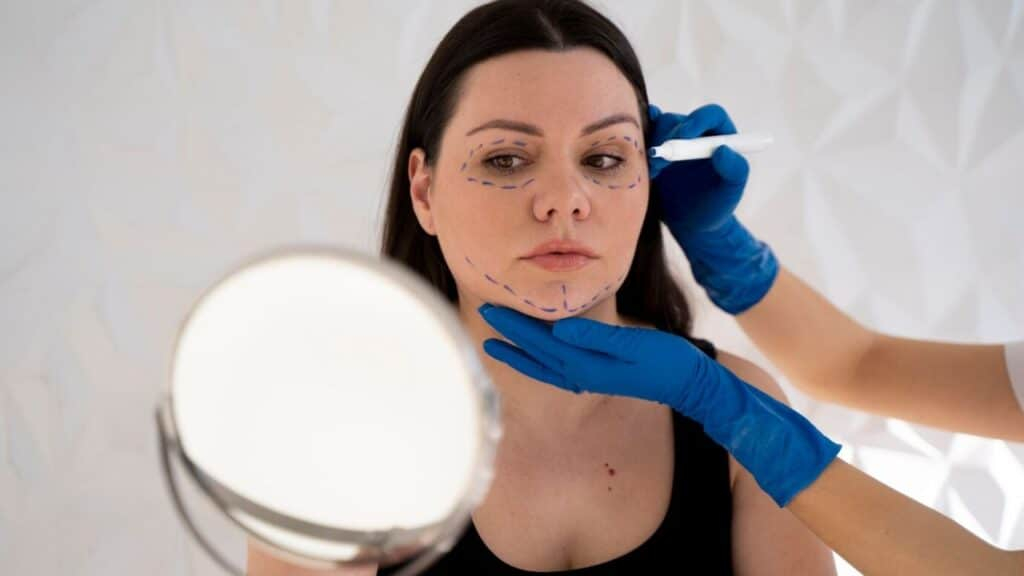
Aesthetic and regenerative medicine, polynucleotide treatments have emerged as a compelling option for those seeking natural, long-lasting skin rejuvenation. These treatments are built on the idea that DNA fragments, polynucleotides, can support tissue healing, hydration, and elasticity.
But beyond the science and marketing, what truly matters is how real patients perceive the results. This article explores the spectrum of patient experiences with polynucleotide therapies, showcasing authentic outcomes, challenges, and insights.
Understanding Polynucleotide Treatments
Before diving into patient stories, it’s important to understand what polynucleotide treatments are. Polynucleotides are long chains of nucleotides, the building blocks of DNA. In medical and aesthetic settings, these molecules are typically extracted from purified sources (often salmon DNA) and formulated into injectable gels or serums.
The proposed benefits center on:
Biostimulation — triggering fibroblasts and other cells to enhance regeneration.
Improved Hydration — attracting moisture to tissues.
Anti‑Inflammatory Effects — calming irritation and promoting healing.
Tissue Remodeling — improving tone and elasticity.
Polynucleotides are often used for facial rejuvenation, under-eye correction, hair thinning, and even joint pain recovery.
Voices from Patients: What Real Users Reported
1. Facial Rejuvenation: A Subtle, Natural Glow
Many individuals seeking a refreshed appearance chose polynucleotide injections in the face, neck, or décolletage.
Patient A (42, female):
“I wanted something subtle — not too tight, not dramatic. After three sessions of polynucleotide injections around my cheeks and jawline, people started telling me I looked ‘well‑rested’ but couldn’t pinpoint why. My skin feels softer and has a sort of healthy glow that makeup doesn’t give.”
What she noticed:
Increased skin hydration
Fewer fine lines around the eyes
Gradual improvements over 6–8 weeks
Reality check: Changes weren’t instant; patience was essential.
2. Under‑Eye Concerns: Smoother, Less Tired Looking
The under-eye area is one of the most common places patients explore polynucleotides. Dark circles and hollows respond variably.
Patient B (35, male):
“I always looked tired. From week two onward, the hollowness under my eyes looked smoother. It didn’t erase shadows completely, but it softened them. People tell me I look less fatigued — that’s a win.”
Patient C (50, female):
“Honestly, I didn’t see much difference in dark circles, but I did feel the skin under my eyes was more resilient. I didn’t bruise as easily after later allergy shots!”
Key takeaway: Results can be subtle and dependent on individual anatomy and skin quality.
3. Hair Regrowth: A Notable Improvement for Some
Polynucleotide treatments are increasingly used for hair thinning and early pattern baldness.
Patient D (29, male):
“After 12 weeks of injections into my scalp, I began noticing finer hairs where there were none. It’s not a full head of hair, but the thinning spots look denser.”
Patient E (47, female):
“I tried it after postpartum shedding. I was skeptical, but by month three, the shedding reduced, and there was visible regrowth.”
Consistency mattered: Patients who followed the recommended schedule and combined treatments (like microneedling or PRP) reported stronger results.
4. Pain Reduction and Healing: Beyond Aesthetics
Some patients sought polynucleotide treatments for joint discomfort or slower healing after injury.
Patient F (57, male):
“I had mild knee pain with activity. After a series of polynucleotide injections, I felt a reduction in discomfort. It’s not a miracle fix, but mobility improved.”
Patient G (31, female, runner):
“After a hamstring strain, my doctor suggested polynucleotide therapy alongside physical therapy. My recovery timeline felt shorter than expected — but it’s hard to isolate what helped most.”
Note: These uses are more experimental; patient experiences vary widely.
What Patients Loved Most
Across demographics and treatment goals, certain themes emerged:
1. Natural, Gradual Results
Many people appreciated that the changes weren’t drastic. Instead of a “wow” moment, they noticed everyday improvements — smoother texture, better elasticity, and a refreshed overall look.
2. Minimal Downtime
Unlike more aggressive procedures (deep peels, ablative lasers, surgical lifts), polynucleotide injections typically require little to no downtime. Mild swelling or bruising resolves quickly.
3. Skin Quality, Not Just Tightness
Patients frequently mentioned improved skin health — hydration, softness, and resilience — more than dramatic lifting or contouring.
Challenges Patients Faced
No treatment is perfect, and polynucleotides are no exception.
1. Subtlety Can Be Frustrating
Some patients reported that changes were too subtle for their goals. Those expecting dramatic anti-aging transformations felt underwhelmed.
2. Cost and Commitment
Optimal results often required multiple sessions spaced weeks apart. Costs added up, and consistency was key — skipping treatments often blunted outcomes.
3. Variability in Response
Genetics, lifestyle, skin type, and age all influenced results. Two people can undergo the same protocol and see different outcomes.
4. Misaligned Expectations
Patients with unrealistic expectations — expecting a facelift effect, for example — were frequently disappointed. Success stories often hinged on appropriate expectations and thorough consultations.
What Experts Advise Patients
Doctors and aesthetic specialists often guide patients toward realistic goals. Common recommendations include:
Comprehensive evaluation — to decide if polynucleotides are best suited for a patient’s concern.
Combining treatments — pairing with microneedling, PRP, or hyaluronic acid can amplify results.
Lifestyle support — hydration, sun protection, nutrition, and sleep optimize outcomes.
Follow-up assessments — reviewing progress and adjusting protocols improves satisfaction.
How Patients Prepared and Recovered
Most patients followed similar routines:
Before treatment:
· Avoiding blood thinners (like aspirin) for a few days if medically safe
· Staying hydrated
· Discussing goals and medical history clearly with the provider
· After treatment:
· Avoiding strenuous activity for 24–48 hours
· Ice and gentle care for injection sites
· Short-term avoidance of intense heat (sauna, hot yoga)
Side effects were generally mild: slight swelling, pinpoint bruises, and temporary tenderness.
Final Thoughts
Based on aggregated patient experiences, polynucleotide treatments offer a safe, well-tolerated option for those seeking skin quality improvements and subtle rejuvenation. They are not a replacement for surgical lifts or aggressive resurfacing, but for many people, they provide noticeable changes without downtime.
· Who might benefit most?
· Individuals in their 30s to 50s with early signs of aging
· Those seeking hydration and texture improvement
· Patients want gradual, natural results
People with mild hair thinning or slow healing who want a supportive therapy
- Ask Nguza
- Food and Recipes
- Lifestyle
- Parenting
- Education
- Career & Business
- Sports
- Entertainment
- Marketing & Blogging
- Travel
- Confessions / Anonymous Talk
- Local News & Gossip
- Memes & Fun
- Art
- Hot Topics / Trending
- Causes
- Crafts
- Dance
- Drinks
- Film
- Fitness
- Food
- Oyunlar
- Gardening
- Health
- Home
- Literature
- Music
- Networking
- Other
- Party
- Religion
- Shopping
- Sports
- Theater
- Wellness
- Personal Development
- Technology
- Finance
 Turkish
 English
 Arabic
 French
 Spanish
 Portuguese
 Deutsch
 Dutch
Dutch
 Italiano
 Russian
 Romaian
 Portuguese (Brazil)
 Greek
Greek
