


Transforming Industries: Applications of Functional Yarns
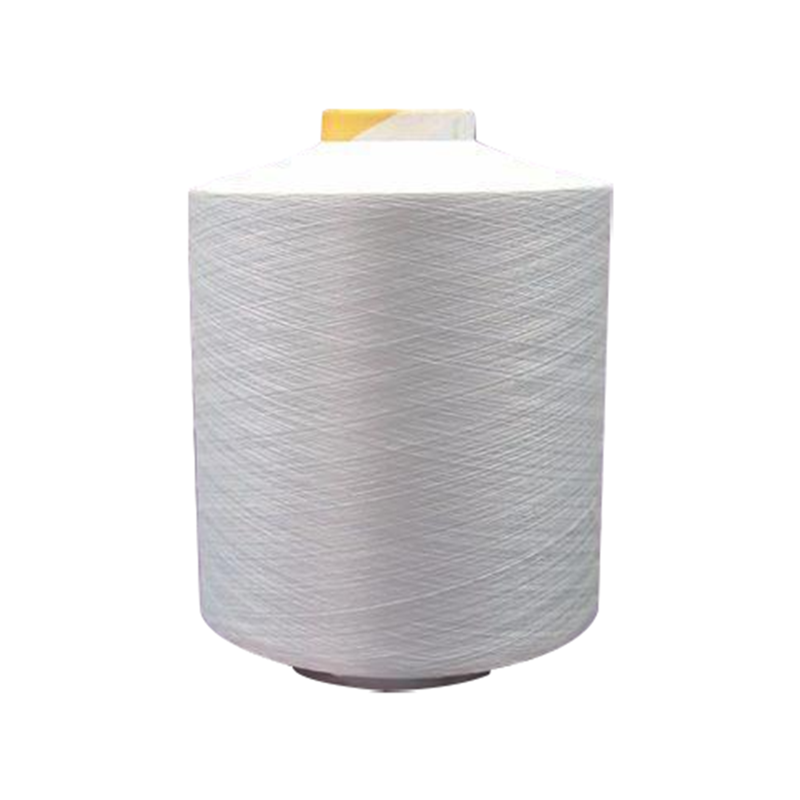
The significance of functional yarns is ultimately measured by their impact across diverse end-use sectors. These advanced materials enable textiles to perform specific tasks that enhance user safety, comfort, health, and capability. By moving beyond passive roles, fabrics constructed from functional yarns are solving real-world problems in fields as varied as personal athletics, clinical medicine, industrial safety, and consumer electronics. Examining these applications illustrates how the engineered properties of functional yarns translate into tangible benefits, driving innovation and creating new possibilities for textile products. This discussion highlights key application areas for functional yarns, concluding that they are pivotal in the evolution of high-performance and smart textile solutions.
In the activewear and sportswear industry, functional yarns are ubiquitous. Moisture-wicking functional yarns keep athletes dry by pulling perspiration to the fabric’s outer surface for evaporation. Thermal-regulating functional yarns, often with phase-change materials, help manage body temperature during variable-intensity exercise. Odor-control functional yarns with antimicrobial properties are used in socks and base layers. The incorporation of compressive elastic functional yarns aids in muscle support and recovery. These performance features, derived directly from the yarns used, are major marketing points and are essential for athlete comfort and performance, making functional yarns a cornerstone of modern technical apparel.
The healthcare and medical sector relies heavily on specialized functional yarns. Antimicrobial functional yarns are critical for producing hospital linens, surgical gowns, and wound dressings to reduce healthcare-associated infections. Fabrics with silver-ion based functional yarns can promote a hygienic environment. Advanced wound care utilizes functional yarns that can deliver medications or change color indicating infection. For patient monitoring, conductive functional yarns are integrated into textiles to create wearable sensors that track heart rate, respiration, or movement without bulky external devices. These applications demonstrate how functional yarns contribute directly to patient outcomes and medical efficiency.
Protective clothing and technical textiles form another vital application domain. Flame-retardant (FR) functional yarns, made from inherently FR fibers like modacrylic or treated fibers, are used in firefighter turnout gear, military uniforms, and industrial workwear. Cut-resistant functional yarns, incorporating high-performance fibers like ultra-high-molecular-weight polyethylene (UHMWPE) or aramid, are woven into gloves for metalworking and glass handling. For electrical workers, anti-static and conductive functional yarns are integrated into garments to prevent dangerous static discharge. In these high-risk environments, the performance of functional yarns is directly linked to user safety.
Emerging applications in smart textiles and fashion tech are pushing boundaries. Conductive functional yarns serve as the wiring for soft circuits, enabling garments with integrated lighting, heating, or connectivity. Shape-memory functional yarns can allow fabrics to change form in response to stimuli. As the Internet of Things (IoT) expands, functional yarns with sensing capabilities will become increasingly important for creating seamless, wearable interfaces.
Functional yarns are the enabling components that allow textiles to meet the complex demands of contemporary life. Their applications span from enhancing everyday comfort in clothing to providing critical protection in hazardous jobs and enabling innovative medical therapies. Therefore, the development and adoption of functional yarns are not a niche trend but a central driver of value and innovation across the global textile landscape. By providing tailored solutions to specific challenges, functional yarns empower designers and engineers to create products that are safer, healthier, and more responsive, fundamentally expanding the role of textiles in society. Their continued evolution promises even greater integration of technology and fabric, weaving functionality directly into the fabric of our lives.
- Ask Nguza
- Food and Recipes
- Lifestyle
- Parenting
- Education
- Career & Business
- Sports
- Entertainment
- Marketing & Blogging
- Travel
- Confessions / Anonymous Talk
- Local News & Gossip
- Memes & Fun
- Art
- Hot Topics / Trending
- Causes
- Crafts
- Dance
- Drinks
- Film
- Fitness
- Food
- Jocuri
- Gardening
- Health
- Home
- Literature
- Music
- Networking
- Alte
- Party
- Religion
- Shopping
- Sports
- Theater
- Wellness
- Personal Development
- Technology
- Finance
 Romaian
 English
 Arabic
 French
 Spanish
 Portuguese
 Deutsch
 Turkish
 Dutch
Dutch
 Italiano
 Russian
 Portuguese (Brazil)
 Greek
Greek
