


How Can Smart LED Lighting Improve Energy Efficiency Year-Round
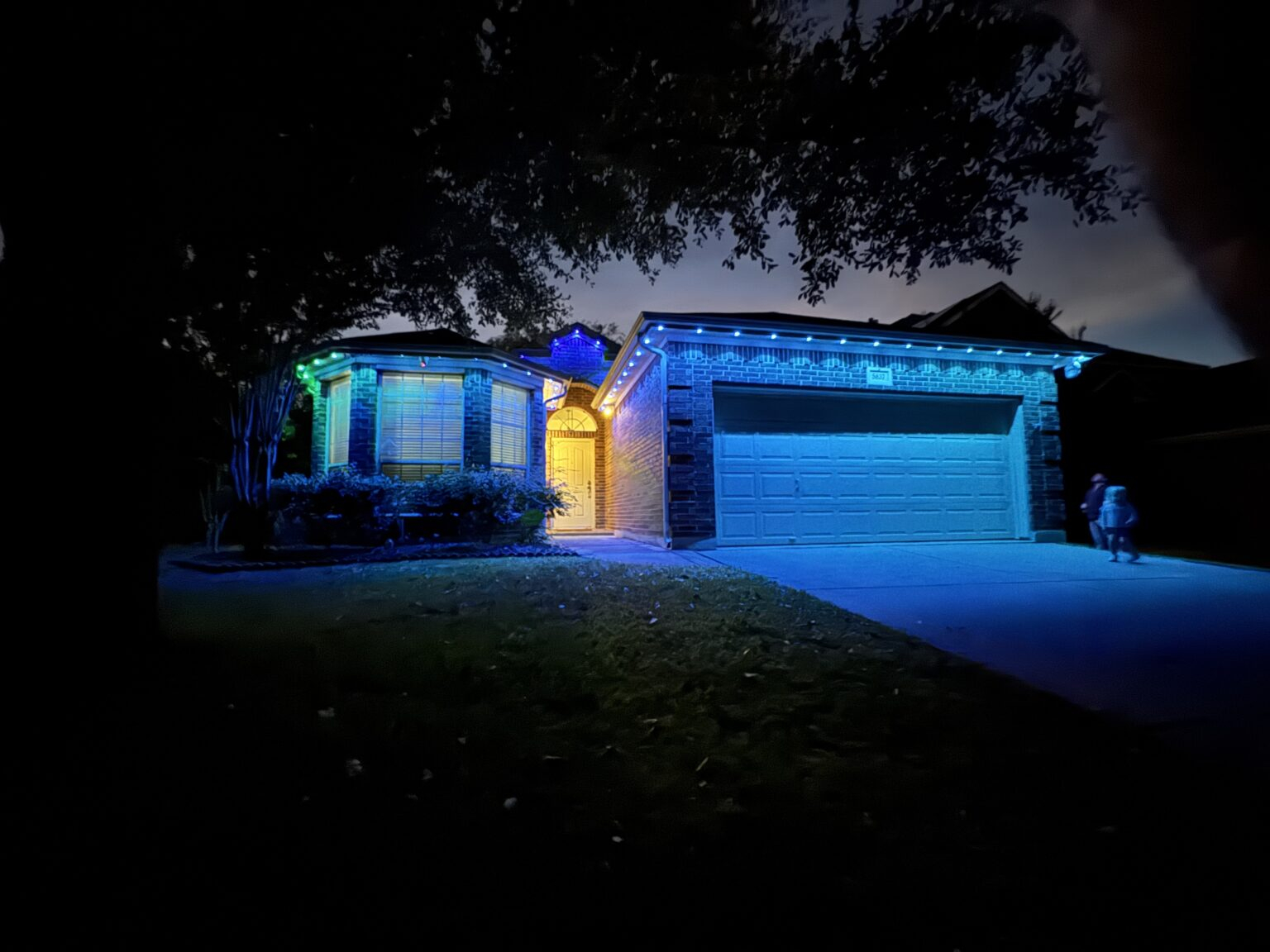
Smart LED lighting has become one of the most effective ways for homeowners and businesses to reduce energy consumption without sacrificing comfort, safety, or aesthetics. By combining highly efficient LED technology with intelligent controls such as sensors, automation, and app-based management, smart LED systems optimize lighting use in every season. The result is consistent energy savings throughout the year, lower utility bills, and a reduced environmental footprint.
Understanding Smart LED Lighting
Smart LED lighting service goes beyond traditional LED bulbs. While standard LEDs already consume significantly less electricity than incandescent or halogen lights, smart LEDs add a layer of intelligence. These systems can be programmed, automated, and remotely controlled to adjust brightness, color, and operating schedules based on real-time needs.
Smart lighting systems often integrate with mobile apps, home automation platforms, or building management systems. This allows users to monitor usage, set schedules, and make adjustments instantly—ensuring lights are only on when and where they are needed.
Superior Energy Efficiency of LED Technology
At the core of smart lighting is LED technology itself. LEDs use up to 75–80% less energy than traditional incandescent bulbs and last significantly longer. This high efficiency means less electricity consumption and fewer replacements over time.
Because LEDs convert most of their energy into light rather than heat, they remain efficient regardless of seasonal temperature changes. Whether it’s summer heat or winter cold, LEDs perform consistently, making them ideal for year-round use both indoors and outdoors.
Automated Scheduling Reduces Wasted Energy
One of the biggest advantages of smart LED lighting is automated scheduling. Instead of leaving lights on unnecessarily, users can program lights to turn on and off at specific times of day.
For example, exterior lights can be set to activate at sunset and turn off at sunrise automatically, adjusting as daylight hours change throughout the year. Indoor lights can follow daily routines, ensuring that energy is not wasted during unoccupied hours. This automation eliminates human error, which is a common cause of energy waste.
Motion and Occupancy Sensors Optimize Usage
Smart LED lighting systems often include motion or occupancy sensors that detect movement in a space. These sensors ensure lights are only active when someone is present.
In areas such as hallways, bathrooms, storage rooms, offices, or parking areas, lights automatically turn on when motion is detected and switch off after a set period of inactivity. This is particularly valuable year-round, as it adapts to changes in daylight hours and usage patterns without requiring manual adjustments.
Daylight Harvesting for Seasonal Savings
Daylight harvesting is another smart lighting feature that improves energy efficiency throughout the year. Using light sensors, smart LED systems measure the amount of natural daylight entering a space and adjust artificial lighting accordingly.
During brighter months, when sunlight is abundant, smart LEDs dim automatically or turn off entirely, reducing energy use. In darker winter months, the system increases brightness as needed to maintain consistent illumination. This seamless adjustment ensures optimal lighting while minimizing electricity consumption in every season.
Dimming Capabilities Lower Power Consumption
Smart LED lighting allows precise dimming control, which directly reduces energy usage. Even a small reduction in brightness can lead to significant energy savings over time.
Unlike traditional bulbs, LEDs operate efficiently at lower light levels without flickering or color distortion. Smart systems can automatically dim lights during low-activity periods or late at night, maintaining comfort and safety while using less power year-round.
Remote Monitoring and Energy Insights
Many smart LED systems provide detailed energy usage data through apps or dashboards. Users can track how much electricity their lighting consumes, identify high-usage areas, and make informed decisions to improve efficiency.
This real-time feedback encourages smarter habits and allows quick adjustments if energy usage spikes. For businesses, this level of control can translate into substantial long-term cost savings across multiple locations.
Integration with Smart Home and Building Systems
Smart LED lighting often integrates with broader smart home or building automation systems. When connected to thermostats, security systems, or occupancy controls, lighting responds intelligently to overall building activity.
For example, when a building is set to “away” mode, lights automatically turn off. In commercial settings, lighting can align with working hours or occupancy levels, ensuring energy is never wasted. This integrated approach enhances efficiency in every season, regardless of changes in weather or usage.
Long-Term Environmental and Cost Benefits
Using smart LED lighting year-round not only lowers energy bills but also reduces carbon emissions. Less energy consumption means decreased demand on power plants, contributing to a more sustainable environment.
Additionally, the long lifespan of LEDs—often lasting 10 to 20 years—means fewer replacements, lower maintenance costs, and reduced material waste. Over time, the initial investment in smart LED lighting pays for itself through consistent energy savings and improved efficiency.
Conclusion
Smart LED lighting improves energy efficiency year-round by combining the low power consumption of LEDs with intelligent controls such as scheduling, sensors, dimming, and daylight harvesting. These systems adapt automatically to seasonal changes, daily routines, and occupancy patterns, ensuring lights are used only when needed.
- Ask Nguza
- Food and Recipes
- Lifestyle
- Parenting
- Education
- Career & Business
- Sports
- Entertainment
- Marketing & Blogging
- Travel
- Confessions / Anonymous Talk
- Local News & Gossip
- Memes & Fun
- Art
- Hot Topics / Trending
- Causes
- Crafts
- Dance
- Drinks
- Film
- Fitness
- Food
- Giochi
- Gardening
- Health
- Home
- Literature
- Music
- Networking
- Altre informazioni
- Party
- Religion
- Shopping
- Sports
- Theater
- Wellness
- Personal Development
- Technology
- Finance
 Italiano
 English
 Arabic
 French
 Spanish
 Portuguese
 Deutsch
 Turkish
 Dutch
Dutch
 Russian
 Romaian
 Portuguese (Brazil)
 Greek
Greek
