


Mechanical Bull Inflatable vs. Traditional Rodeo Bull: Why Joy Inflatable Wins for Events

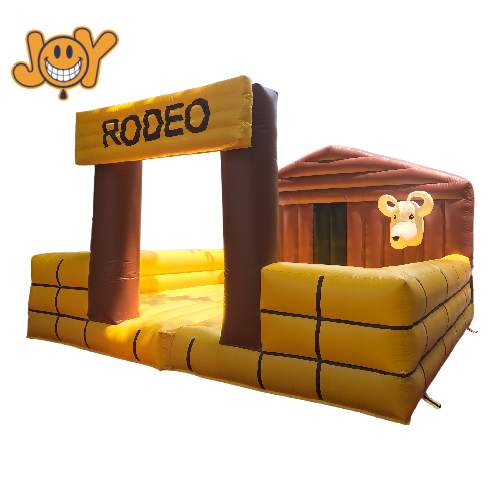
Event organizers weighing entertainment options often find themselves comparing two very different approaches to the same thrill. On one side sits the traditional rodeo bull, a heavy mechanical machine rooted in fairground tradition and requiring serious infrastructure. On the other sits the mechanical bull inflatable, a lighter, softer, and far more portable interpretation of the same idea. The comparison is not really about which one delivers a better buck, since both can produce genuine excitement. It is about which one fits the realities of modern event planning, and that is where Joy Inflatable's inflatable approach makes a compelling case.
Two Approaches to the Same Rodeo Thrill
Both formats promise riders the sensation of clinging to a bucking bull, but they arrive at that experience from opposite directions. A traditional rodeo bull is built around a steel frame, hydraulic or electric drive, and a padded pit or mat system that must be installed on site. An inflatable mechanical bull wraps its motion base inside air-filled structure, creating a self-contained ride that arrives as a package. Understanding this fundamental difference explains everything that follows, because the inflatable format's advantages in setup, safety, and transport all trace back to that single design decision.
Setup Time and Site Preparation Compared
Traditional rodeo bulls demand significant preparation. The machine needs a stable base, the surrounding fall zone needs matting or a pit, and the site often requires leveling before anything else can begin. Setup can consume hours and sometimes requires specialist labor. Joy Inflatable's inflatable bull ride, by contrast, inflates on site and can be operational far more quickly, with no pit to dig and no heavy matting to lay. For event planners working with tight load-in windows or multiple venues in a single day, this difference alone can determine whether an attraction is viable at all.
Safety Profiles in Crowded Event Environments
Safety considerations shift depending on where a ride operates. Traditional bulls expose riders to hard frames and require careful management of the surrounding pit area, and spectators must be kept well back from the machine. The inflatable format surrounds the rider with a continuous cushion and uses the inflatable walls as a natural barrier that keeps crowds at a safe distance. Joy Inflatable's design reduces the number of hard surfaces a rider can contact during a fall, which matters enormously at family events where children and adults share the same space. The softer profile also reassures parents, which translates directly into more participants.
Portability and the Rental Business Equation
For rental companies, portability is not a convenience but a business model. A traditional rodeo bull typically requires a trailer, a crew, and a site assessment before every booking, limiting how many jobs a single unit can serve. Joy Inflatable's inflatable bulls pack down, transport in standard vehicles, and can be set up by a small team. That flexibility lets operators accept bookings across a wider geographic area and schedule multiple events in a single weekend. The revenue implications are obvious: an attraction that travels easily earns more than one that stays close to home because moving it is too much trouble.
Weather, Venues, and Indoor Flexibility
Traditional mechanical bulls are largely outdoor or large-hall attractions, since their footprint and infrastructure make them awkward indoors. Inflatable units open up a wider range of venues, from community halls to covered courtyards, because they are lighter and require less clearance. Joy Inflatable also designs its rides with materials that tolerate outdoor conditions while remaining suitable for indoor use. Event planners value this versatility because it means a single purchase can serve summer festivals and winter indoor bookings alike, keeping the asset working year-round instead of sitting idle through entire seasons.
Rider Experience Across Age Groups
A traditional rodeo bull tends to cater to adults and older teenagers, since its intensity and fall zone are less forgiving for small riders. The inflatable format, with adjustable difficulty and cushioned landings, comfortably accommodates children, beginners, and experienced riders within the same session. Joy Inflatable's six-mode control system lets an attendant match the ride to each participant, so a family event does not have to choose between entertaining the adults and protecting the kids. Broader appeal means longer queues, more repeat riders, and an attraction that earns its place on the program.
The Verdict for Modern Event Planners
Traditional rodeo bulls still have their place at dedicated fairgrounds where permanent infrastructure exists. But for the vast majority of modern events, which move between venues and serve mixed-age crowds, the inflatable format simply fits better. Joy Inflatable wins this comparison not by dismissing tradition but by rethinking it for the realities of contemporary event planning: faster setup, softer landings, easier transport, and adjustable challenge for every rider. For planners who need an attraction that performs reliably wherever it lands, that combination is difficult to argue with.
- Ask Nguza
- Food and Recipes
- Lifestyle
- Parenting
- Education
- Career & Business
- Sports
- Entertainment
- Marketing & Blogging
- Travel
- Confessions / Anonymous Talk
- Local News & Gossip
- Memes & Fun
- Art
- Hot Topics / Trending
- Causes
- Crafts
- Dance
- Drinks
- Film
- Fitness
- Food
- Jogos
- Gardening
- Health
- Início
- Literature
- Music
- Networking
- Outro
- Party
- Religion
- Shopping
- Sports
- Theater
- Wellness
- Personal Development
- Technology
- Finance
 Portuguese (Brazil)
 English
 Arabic
 French
 Spanish
 Portuguese
 Deutsch
 Turkish
 Dutch
 Italiano
 Russian
 Romaian
 Greek
