


+16147560077 Thermostat Installation: A Complete Homeowner
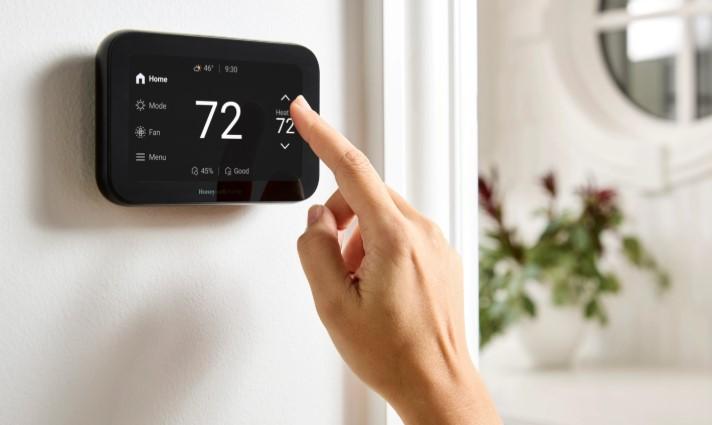
A comfortable home starts with reliable temperature control. Whether you want to keep your living room warm during winter or maintain a pleasant indoor temperature during summer, your thermostat plays an essential role in managing your heating and cooling system. However, choosing the right thermostat and installing it correctly are just as important as selecting the right temperature.
Thermostat installation involves more than attaching a device to the wall. You need to consider your existing HVAC equipment, wiring configuration, preferred features, thermostat location, and heating and cooling requirements. A properly selected and installed thermostat can make daily temperature adjustments easier while helping you manage your household energy use.
Homeowners have several options, including manual thermostats, programmable thermostats, and smart thermostats. Each type offers different levels of control, convenience, and automation. Understanding these differences can help you make a practical decision for your home.
If you are planning a thermostat upgrade or need professional assistance, call +16147560077 to discuss your thermostat installation needs.
This complete homeowner guide explains how thermostats work, how to select a compatible model, what to expect during installation, common problems to avoid, and how to maintain your thermostat for reliable performance.
What Is a Thermostat and How Does It Work?
A thermostat is a temperature-control device that communicates with your heating and cooling equipment. It measures the surrounding temperature and compares it with the temperature you select. When the indoor temperature moves away from your preferred setting, the thermostat signals the HVAC system to provide heating or cooling as needed.
For example, during cold weather, you might set your thermostat to 68°F. If the indoor temperature falls below that setting, the thermostat can signal your heating system to operate. During warmer weather, a cooling setting tells a compatible air-conditioning system when to provide cooling.
The exact operation depends on your HVAC equipment, thermostat model, system configuration, and selected settings. Heat pumps, conventional furnaces, boilers, and multi-stage systems may use different control arrangements.
A thermostat that is correctly matched to your HVAC system helps you manage indoor comfort conveniently. An incompatible or incorrectly configured device, however, may cause operating problems, including heating or cooling that does not respond as expected.
Types of Thermostats Available for Homeowners
Before arranging thermostat installation, learn about the main thermostat types and the features each one offers.
1. Manual Thermostats
Manual thermostats provide straightforward temperature control. You select the desired temperature directly, and the device manages the connected heating or cooling equipment accordingly.
These thermostats can suit homeowners who prefer simple controls without scheduling or smartphone features. They may also be appropriate when replacing an older, basic thermostat, provided the new model is compatible with the existing system.
The primary consideration is convenience. You must adjust the temperature yourself when your schedule or comfort preferences change.
2. Programmable Thermostats
Programmable thermostats allow you to establish temperature schedules for different times of the day. You might select one setting for the morning, another for working hours, and a different setting for nighttime.
This type can be useful for households with predictable routines. Instead of repeatedly changing the temperature manually, you can program adjustments in advance.
To get the most from a programmable thermostat, create a schedule that reflects your actual habits. A complicated schedule that nobody follows may provide little practical benefit.
3. Smart Thermostats
Smart thermostats offer connected features that can make temperature management more convenient. Depending on the model, you may be able to adjust settings through a smartphone app, create automated schedules, review usage information, or use occupancy-based controls.
Some models also support voice assistants, remote access, and learning features. However, available functions vary, and certain features may require a reliable internet connection, compatible devices, or an account.
Before purchasing a smart thermostat, verify that it supports your particular heating and cooling system. A smart thermostat is not automatically the best choice for every home.
4. Thermostats for Heat Pumps and Specialized Systems
Heat pumps, zoned HVAC systems, high-efficiency equipment, and multi-stage heating or cooling systems may require specific thermostat controls.
For example, certain heat pump installations use additional terminals for reversing-valve operation or auxiliary heating. Some advanced systems perform best with manufacturer-recommended controls.
If your home has specialized HVAC equipment, confirm compatibility before buying a replacement. A qualified HVAC professional can help identify the appropriate thermostat for your system.
How to Choose the Right Thermostat for Your Home
Selecting a suitable thermostat is one of the most important steps in the installation process. Consider the following factors before making a purchase.
Check HVAC Compatibility
Begin by identifying your current heating and cooling equipment. Determine whether you have a furnace, central air conditioner, heat pump, boiler, or another type of system.
Next, review the thermostat manufacturer's compatibility information. Check the supported equipment types, required wiring terminals, heating and cooling stages, and any special installation requirements.
Do not assume that a thermostat will work simply because it fits on the wall or has a similar set of terminals to your existing model.
Review the Wiring Requirements
Many residential thermostats use low-voltage control wiring, but some heating systems use line-voltage controls. These systems are not interchangeable.
A smart thermostat may also need a C-wire, commonly called a common wire, or a compatible power adapter. The requirement depends on the specific thermostat and HVAC configuration.
Wire colors are not a reliable way to determine each wire's function. Identify wiring by its terminal labels and the manufacturer's instructions. If the wiring is unclear or does not match the installation guide, seek qualified assistance.
Consider Your Daily Routine
Think about how you use your home. If your schedule is consistent, a programmable thermostat may be sufficient. If you want remote access or automated features, a compatible smart thermostat may be more suitable.
Households with different temperature preferences may also benefit from considering zoning or compatible room-sensor features, where supported by their existing HVAC setup.
Compare Features Without Overspending
Useful features may include a clear display, easy controls, scheduling, remote adjustments, usage reports, and alerts. Choose functions that solve genuine needs rather than paying extra for features you are unlikely to use.
Also consider whether you are comfortable configuring an app, connecting the thermostat to Wi-Fi, and adjusting settings after installation.
Think About Long-Term Use
A thermostat should be convenient for everyone who uses it. Consider accessibility, display readability, the simplicity of changing settings, maintenance needs, and compatibility with future HVAC upgrades.
Taking time to compare these factors can help you make a more informed purchasing decision.
Thermostat Installation: What Homeowners Should Expect
Thermostat installation generally involves preparing the work area, removing the old thermostat if applicable, mounting the new unit, connecting compatible wiring, configuring the device, and testing the HVAC system.
The exact process varies by model and equipment type. Always follow the instructions supplied with your thermostat. The following overview explains the usual stages without replacing model-specific wiring instructions.
Step 1: Inspect the Existing Thermostat
Before starting, identify the current thermostat model and the heating and cooling equipment it controls. Check the existing installation for visible damage, loose mounting, unusual wiring, or other concerns.
If you are replacing a thermostat, record its model number and note the terminal labels connected to the wires. This information can help establish whether the replacement model is suitable.
If the existing thermostat controls a boiler, heat pump, zoned system, or specialized equipment, take extra care to confirm compatibility.
Step 2: Turn Off HVAC Power
Power must be switched off before working with thermostat wiring. Depending on your system, this may involve the appropriate HVAC service switch or circuit breaker.
Do not rely solely on turning the thermostat off. Incorrect handling of energized control wiring can damage equipment or create a safety hazard.
If you cannot confidently identify the appropriate power source, stop and consult an HVAC professional.
Step 3: Document the Existing Wiring
For a suitable low-voltage installation, the existing wires should be identified by their terminal labels before disconnection. A clear photograph can help document the original arrangement.
Common terminal labels may include R, Rc, Rh, W, Y, G, C, and O/B, although not every system uses all of them. Their functions depend on the equipment and wiring arrangement.
Never rely on wire colors alone. A wire's color does not guarantee its purpose, and a replacement thermostat may use a different terminal layout.
If the wiring is unfamiliar, damaged, or inconsistent with the manufacturer's guide, do not guess.
Step 4: Mount the New Thermostat
The thermostat's mounting plate should be positioned securely according to the installation instructions. Depending on the model, mounting may require screws, wall anchors, or a trim plate.
The device should sit properly against the wall without pinching or damaging the wires. If the old thermostat leaves an unpainted area or visible holes, a suitable compatible trim plate may help create a cleaner appearance.
Avoid positioning the thermostat where direct sunlight, drafts, nearby appliances, or other unusual heat sources could distort temperature readings.
Step 5: Connect Compatible Wires
After confirming the system is safe to work on, wiring must be connected to the terminals specified by the thermostat manufacturer.
Do not assume that terminals with similar names are interchangeable or that every system follows the same wiring arrangement. Heat pumps, separate heating and cooling transformers, and specialized equipment can require different configurations.
If an adapter or additional wire is needed, confirm that it is approved for the thermostat and compatible with the HVAC equipment. Complex wiring and uncertain configurations are best handled by a qualified technician.
Step 6: Restore Power and Configure the Device
Once installation is complete and all covers and access panels are correctly secured, restore power according to the installation instructions.
Digital and smart thermostats may require you to select the equipment type, heating stages, cooling stages, fan operation, and other system-specific settings. Smart models may also require Wi-Fi setup and app pairing.
Follow the prompts carefully. Incorrect equipment settings can cause the thermostat to control the system improperly.
Step 7: Test Heating and Cooling
The final step is to confirm that the thermostat and connected HVAC equipment operate as expected. Test the available heating and cooling modes, fan operation where applicable, and temperature response according to the manufacturer's instructions.
Allow sufficient time for the equipment to respond, since some systems include delays or operating protections. Do not repeatedly switch the system on and off to force a response.
If the display remains blank, a breaker trips, the equipment behaves unexpectedly, or there is a burning smell, stop testing and arrange professional assistance.
Where Should You Install a Thermostat?
Thermostat placement can influence temperature readings and comfort. Even a compatible, properly wired device may perform poorly if it measures an unrepresentative part of the home.
A thermostat is generally best placed in a frequently occupied area where indoor temperatures are reasonably representative of the surrounding living space. Follow the manufacturer's recommended mounting height and location guidance.
Avoid placing it near windows with direct sunlight, exterior doors with frequent drafts, supply-air vents, kitchen appliances, fireplaces, or other sources of unusual heat or cold.
Do not hide the thermostat behind furniture, curtains, or other obstructions. The surrounding air should be able to circulate freely so the thermostat can measure the room temperature accurately.
For multi-story homes or properties with significant temperature differences between rooms, one thermostat may not provide uniform comfort everywhere. Depending on the HVAC design, zoning or compatible remote sensors may help address those differences.
Common Thermostat Installation Problems and How to Avoid Them
Understanding common installation mistakes can help you recognize when a problem needs professional attention.
Incorrect Wiring
Connecting a wire to the wrong terminal can prevent heating or cooling from working correctly and may damage HVAC components. Always follow the exact wiring diagram for the thermostat and equipment.
Choosing an Incompatible Thermostat
A thermostat designed for one equipment type may not support another. Check system compatibility, stages, voltage requirements, and specialized controls before purchasing.
Missing C-Wire or Power Requirements
Some smart thermostats require continuous power through a C-wire or an approved adapter. A missing or incorrectly configured power connection can cause startup problems, intermittent operation, or recurring power warnings.
Incorrect Equipment Configuration
The thermostat may need to be configured for a furnace, heat pump, or another specific system. Incorrect settings can lead to unexpected heating or cooling behavior.
Poor Thermostat Placement
Direct sunlight, drafts, and nearby heat sources can cause the thermostat to sense an inaccurate temperature. A more appropriate location may improve temperature control.
Loose Connections or Incomplete Reassembly
Poorly secured wiring, a thermostat that is not fully seated, or an improperly closed HVAC access panel may interfere with operation. Avoid opening equipment panels or handling wiring unless you are qualified to do so safely.
When a problem persists after basic checks, professional diagnosis is usually safer than repeatedly changing wiring or settings.
Benefits of Professional Thermostat Installation
Although some straightforward thermostat replacements are suitable for capable homeowners, professional installation can be valuable when equipment compatibility or wiring is uncertain.
Better Compatibility Checks
A technician can identify the existing HVAC equipment, review thermostat requirements, and help select a suitable control.
Safer Handling of Wiring
Professional assistance is particularly useful for unfamiliar wiring, line-voltage systems, heat pumps, boilers, and multi-stage or zoned equipment.
Correct System Configuration
A thermostat can be physically installed but still be configured incorrectly. A professional can check the system settings and test the available operating modes.
More Convenient Smart Thermostat Setup
Connected thermostats may need app configuration, network setup, scheduling, and integration with compatible smart-home devices. Professional assistance can help when setup becomes complicated.
Help With Persistent Problems
If a thermostat fails to respond, displays errors, or cannot maintain the selected temperature, a technician can help determine whether the cause is the thermostat, its wiring, the HVAC equipment, or another issue.
For guidance about your installation requirements, call +16147560077 and discuss the type of thermostat and HVAC system in your home.
How to Maintain Your Thermostat After Installation
Routine care helps keep thermostat operation convenient and makes it easier to notice potential problems.
Keep the area clean. Gently remove dust from the thermostat's exterior using an appropriate soft, dry cloth. Follow the manufacturer’s cleaning instructions and avoid spraying liquids directly onto the device.
Review your schedule. Update programmed settings when your household routine changes. A schedule that reflects when people are home and away can make temperature management more practical.
Check batteries when applicable. Some thermostats use replaceable batteries or battery backup. Follow the manufacturer's recommendations and address low-battery warnings promptly.
Monitor unusual behavior. Pay attention to blank displays, unexpected temperature readings, recurring error messages, or heating and cooling that does not respond correctly.
Keep software current when required. For connected thermostats, follow the manufacturer's recommendations for software updates, account security, and app configuration.
Arrange professional inspections when needed. Thermostat maintenance does not replace HVAC system maintenance. If the equipment is not heating or cooling correctly, the underlying cause may be outside the thermostat.
Frequently Asked Questions About Thermostat Installation
1. How much does thermostat installation cost?
The total cost depends on the thermostat model, labor requirements, existing wiring, system compatibility, and whether additional components are needed. Replacing a basic compatible thermostat may be simpler than installing a smart thermostat on a system that requires new wiring or an adapter. Request an estimate based on your specific setup.
2. Can I install a thermostat myself?
Some straightforward replacements can be completed by homeowners who can safely follow the manufacturer's instructions and confirm compatibility. However, unfamiliar wiring, line-voltage controls, heat pumps, boilers, and complex HVAC systems may require professional installation. Never guess about electrical connections.
3. How do I know which thermostat is compatible with my HVAC system?
Identify your heating and cooling equipment, review the existing wiring terminals, and consult the new thermostat's compatibility guide. Check voltage, system type, heating and cooling stages, and any special control requirements. Ask a qualified HVAC professional when you are uncertain.
4. What is a C-wire, and does every thermostat need one?
A C-wire, or common wire, provides continuous power for many smart thermostats. Not every thermostat requires one, and some models support compatible alternative power arrangements. Always check the requirements for your exact thermostat and HVAC system.
5. Can a smart thermostat work without Wi-Fi?
This depends on the model. Many connected thermostats retain basic control at the wall when internet connectivity is unavailable, but remote access and some connected features may stop working. Review the manufacturer's documentation before buying.
6. Where is the best place to install a thermostat?
Choose a suitable interior location that reflects the temperature of the living area. Avoid direct sunlight, drafts, supply-air vents, nearby appliances, and obstructed locations. Follow the manufacturer's mounting instructions and seek professional advice if your home has unusual temperature differences.
7. Why is my new thermostat not turning on?
Possible causes include a power issue, depleted batteries, incorrect wiring, a missing required power connection, or an installation problem. Do not repeatedly reconnect wires or bypass safety devices. If basic checks in the user manual do not resolve the issue, contact an HVAC professional.
8. Why does my thermostat show the wrong temperature?
Temperature readings may be influenced by poor placement, drafts, direct sunlight, heat-producing equipment, or device-specific settings. Check the placement recommendations and compare readings carefully. Persistent inaccuracies may require a technician to inspect the thermostat and HVAC setup.
9. Will a new thermostat reduce my energy bills?
A suitable thermostat may help manage heating and cooling more effectively through scheduling, setbacks, or automation. Actual savings vary with the home's insulation, climate, HVAC efficiency, household habits, and thermostat settings. Replacing a thermostat alone does not guarantee a particular level of savings.
10. When should I replace my thermostat?
Consider replacement when the device is unreliable, incompatible with an HVAC upgrade, difficult to operate, or missing features you genuinely need. Before replacing it, determine whether the problem comes from the thermostat or another part of the heating and cooling system.
Conclusion: Plan Your Thermostat Installation With Confidence
Thermostat installation is an important step toward convenient, consistent home temperature control. The right choice depends on your HVAC equipment, wiring, daily routine, preferred features, and budget. Manual models provide basic control, programmable devices support scheduled adjustments, and compatible smart thermostats may offer remote access and automation.
Before purchasing a new device, verify compatibility and review the installation requirements. Pay careful attention to wire identification, power requirements, mounting location, system configuration, and final testing. A thermostat that is incorrectly wired or configured can create unnecessary frustration and may affect HVAC operation.
While some simple replacements may be manageable for experienced homeowners, professional help is a sensible choice when wiring is unfamiliar, specialized equipment is involved, or the system does not behave as expected.
Ready to plan your thermostat installation?
Get guidance for your home’s heating and cooling setup before you make your next move.
📞 Call +16147560077 today to discuss your thermostat installation needs and explore the next steps toward convenient, reliable temperature control.
- Ask Nguza
- Food and Recipes
- Lifestyle
- Parenting
- Education
- Career & Business
- Sports
- Entertainment
- Marketing & Blogging
- Travel
- Confessions / Anonymous Talk
- Local News & Gossip
- Memes & Fun
- Art
- Hot Topics / Trending
- Causes
- Crafts
- Dance
- Drinks
- Film
- Fitness
- Food
- Игры
- Gardening
- Health
- Главная
- Literature
- Music
- Networking
- Другое
- Party
- Religion
- Shopping
- Sports
- Theater
- Wellness
- Personal Development
- Technology
- Finance
 Russian
 English
 Arabic
 French
 Spanish
 Portuguese
 Deutsch
 Turkish
 Dutch
 Italiano
 Romaian
 Portuguese (Brazil)
 Greek
