


Canon Electric Geyser Installation & Maintenance Tips for Longevity
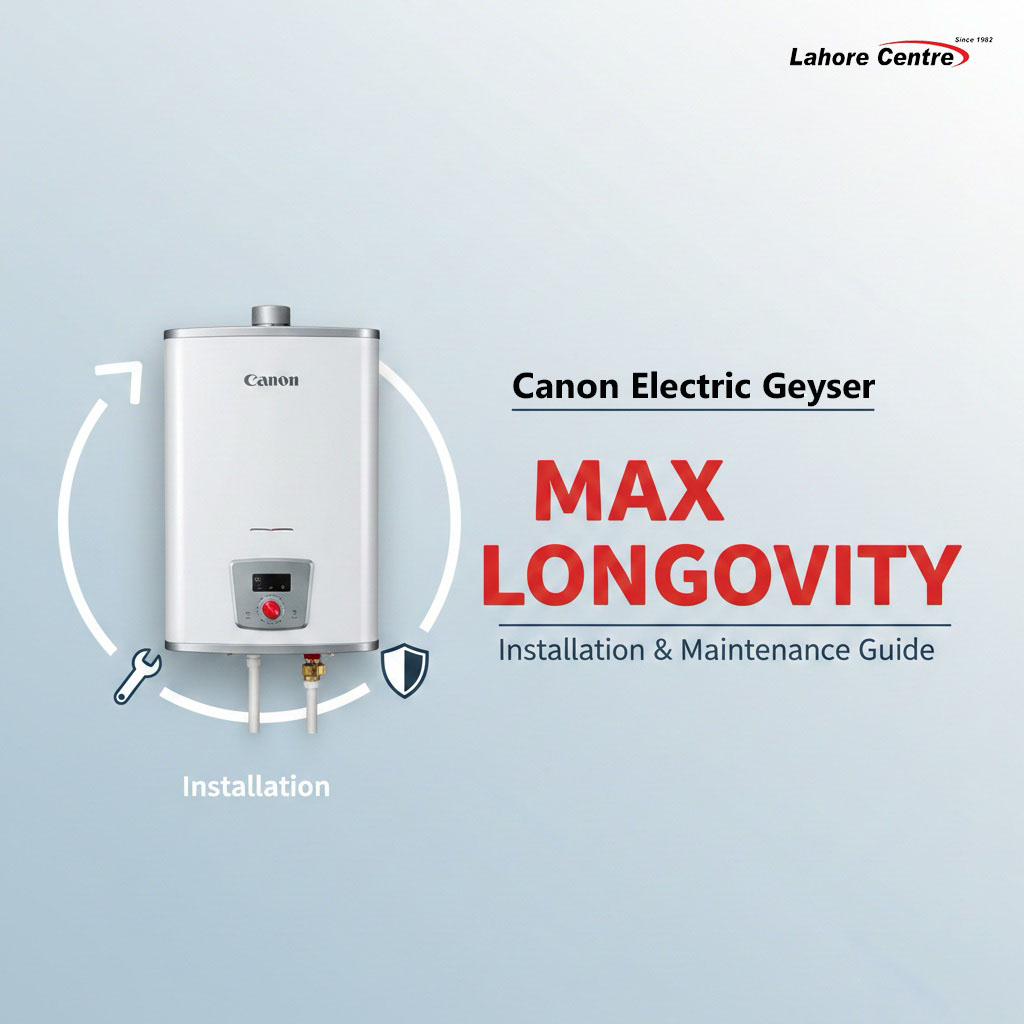
Essential tips for Canon Electric Geyser Installation & Maintenance. Ensure safety, efficiency, and longevity for your 10, 15, 30, 40, 50, or 60 Liter model.
Installation & Maintenance Tips for Longevity
Owning a water heater like the Canon Electric Geyser is a necessary convenience in many homes, providing instant access to hot water. However, the performance, safety, and lifespan of the unit are highly dependent on two critical factors: professional installation and consistent, preventative maintenance. A properly installed geyser operates at peak efficiency, minimizing electricity consumption and reducing the risk of electrical or plumbing faults. Conversely, a poor installation can lead to leaks, pressure issues, and even dangerous electrical hazards. Similarly, regular maintenance prevents the build-up of sediment and scale, which are the primary culprits behind reduced heating efficiency and premature component failure. For consumers looking for reliability, understanding the correct procedures for both initial setup and ongoing care is just as important as knowing the Canon Electric Geyser Price itself. This guide provides essential tips to ensure your Canon geyser, regardless of its size, remains a safe and reliable fixture in your home for years to come.
Choosing the Right Location for Your Geyser
The location of the geyser is the first and most fundamental decision in the installation process. The chosen spot must be structurally sound enough to support the full weight of the tank when it is completely filled with water. For larger units like the Canon Electric Geyser 60 Liter, this weight can be substantial. The location should also be as close as possible to the point of use to minimize heat loss through long pipelines, which contributes to energy waste. It is crucial to install the unit vertically and level, adhering strictly to the manufacturer's guidelines to ensure proper function of internal components, such as the thermal cut-out and pressure relief valve. Furthermore, the area must be easily accessible for future maintenance tasks, such as draining the tank or inspecting the anode rod. Installing the geyser in a dry, well-ventilated space is also advisable to protect the external casing and internal electrical components from moisture damage.
The Critical Steps of Professional Installation
Professional installation is not merely a recommendation; it is often a requirement to uphold the manufacturer's warranty and ensure safety. An electrician must correctly wire the geyser to a dedicated circuit with the appropriate ampere rating and circuit breaker. The installation must include a robust earthing system to prevent electrocution hazards, which is especially important for high-capacity models like the Canon Electric Geyser 50 Liter. On the plumbing side, the technician must install the pressure relief valve and non-return valve correctly, ensuring that the former is properly vented to a drain. Incorrect plumbing can lead to dangerous pressure build-up or inefficient operation. The technician should also ensure that the water connections are tight to prevent leaks, which can damage the electrical components over time. Skipping professional installation, perhaps to save costs, dramatically increases the risk of malfunction and invalidates the safety assurances Canon provides with its products.
Understanding and Managing Water Pressure
Proper water pressure management is key to the longevity and safe operation of the geyser. Excessive water pressure from the main supply can place undue stress on the geyser tank, plumbing, and safety components, potentially leading to leaks or tank failure. This is particularly relevant for high-pressure systems supplying models like the Canon Electric Geyser 40 Liter. If the incoming pressure is too high, a pressure-reducing valve must be installed on the cold water inlet line to regulate the pressure to a safe level, typically below the maximum rating specified by the manufacturer. Conversely, low water pressure can also cause issues with flow and heating efficiency. Regular checks of the pressure relief valve's operation are necessary. The valve should be briefly opened (lifted) every few months to ensure it is clear of mineral deposits and operating correctly, allowing for safe discharge of excess pressure when necessary.
Sediment Flushing: An Annual Necessity
Over time, minerals present in the water, particularly in hard water regions, settle at the bottom of the geyser tank, forming a layer of sediment. This sediment acts as an insulator, forcing the heating element to work harder and longer to heat the water above the sediment layer, which drastically reduces the unit’s energy efficiency. To prevent this, the tank must be flushed or drained annually. This process involves turning off the power and water supply, connecting a hose to the drain valve, and allowing the water and sediment to flush out until the water runs clear. Regular flushing is especially important for smaller units, such as the Canon Electric Geyser 10 Liter, where a smaller tank volume means sediment build-up has a disproportionately larger impact on efficiency. This simple maintenance step can significantly extend the life of the heating element and the tank itself.
The Importance of the Anode Rod Inspection and Replacement
The sacrificial anode rod is the single most important component for protecting the geyser tank from corrosion. Made typically of magnesium, aluminum, or a combination, it attracts corrosive elements in the water, sacrificing itself to prevent the steel tank from rusting. Over time, the rod is consumed and must be replaced. Failure to replace a depleted anode rod leaves the tank vulnerable to rust, which will inevitably lead to leaks and the need for a complete geyser replacement. The anode rod should be inspected by a professional every one to three years, depending on the hardness of the water supply. If the rod is more than half consumed, it must be replaced. This is a vital maintenance step for all models, including the mid-sized Canon Electric Geyser 15 Liter, ensuring the tank retains its structural integrity and safety standards.
Checking the Thermostat and Heating Element
The thermostat controls the water temperature, and the heating element does the work. Any malfunction in these components can lead to either inefficient heating (high bills) or dangerous overheating. A professional technician should periodically check the thermostat's accuracy and the heating element's electrical resistance. A faulty thermostat might cause the water to be too hot, triggering the thermal cut-out safety feature, while a failing heating element draws excessive power or fails to heat the water at all. If the thermal cut-out trips, it is a clear sign that the primary thermostat is faulty and needs immediate replacement to prevent the risk of scalding and tank damage. This diagnostic check is a standard part of comprehensive geyser maintenance.
Electrical Checks and Safety Assurance
As an electrical appliance handling water, a Canon geyser requires regular checks of its electrical connections. Loose wiring can lead to poor performance, power fluctuations, or, critically, arcing, which presents a significant fire hazard. A qualified electrician should check all terminals, including the earthing connections, to ensure they are secure and free from corrosion. For those who acquire their geyser through flexible payment options like Canon Geyser on Installment, ensuring the electrical system remains safe and efficient is key to protecting their investment. Any sign of burnt wiring, tripping breakers, or scorching around the unit should be investigated immediately by a professional. This proactive approach to electrical safety is paramount and should never be overlooked. The long-term performance and safety of the unit depend on the integrity of its electrical system.
Conclusion: A Partnership in Home Comfort
The longevity and reliable operation of your Canon Electric Geyser ultimately rely on a partnership between the manufacturer's quality and the owner's commitment to maintenance. From the careful sizing of the unit—be it a smaller Canon Electric Geyser 30 Liter or a larger one—to ensuring a proper installation performed by a qualified professional, every step is crucial. By adhering to a simple schedule of annual flushing, periodic anode rod inspection, and regular safety checks on pressure and electrical systems, you can significantly reduce energy consumption and ward off costly repairs. Vendors like Lahore Centre provide access to quality products, but it is diligent care that truly extends the life of the appliance. Investing time in maintenance is investing in continuous, safe, and efficient hot water, ensuring your geyser remains a valuable and worry-free asset in your home.
- Ask Nguza
- Food and Recipes
- Lifestyle
- Parenting
- Education
- Career & Business
- Sports
- Entertainment
- Marketing & Blogging
- Travel
- Confessions / Anonymous Talk
- Local News & Gossip
- Memes & Fun
- Art
- Hot Topics / Trending
- Causes
- Crafts
- Dance
- Drinks
- Film
- Fitness
- Food
- Spiele
- Gardening
- Health
- Startseite
- Literature
- Music
- Networking
- Andere
- Party
- Religion
- Shopping
- Sports
- Theater
- Wellness
- Personal Development
- Technology
- Finance
 Deutsch
 English
 Arabic
 French
 Spanish
 Portuguese
 Turkish
 Dutch
Dutch
 Italiano
 Russian
 Romaian
 Portuguese (Brazil)
 Greek
Greek
