


How Sustainability Drives Jixingfeng Socks' Approach as a Responsible Socks Supplier
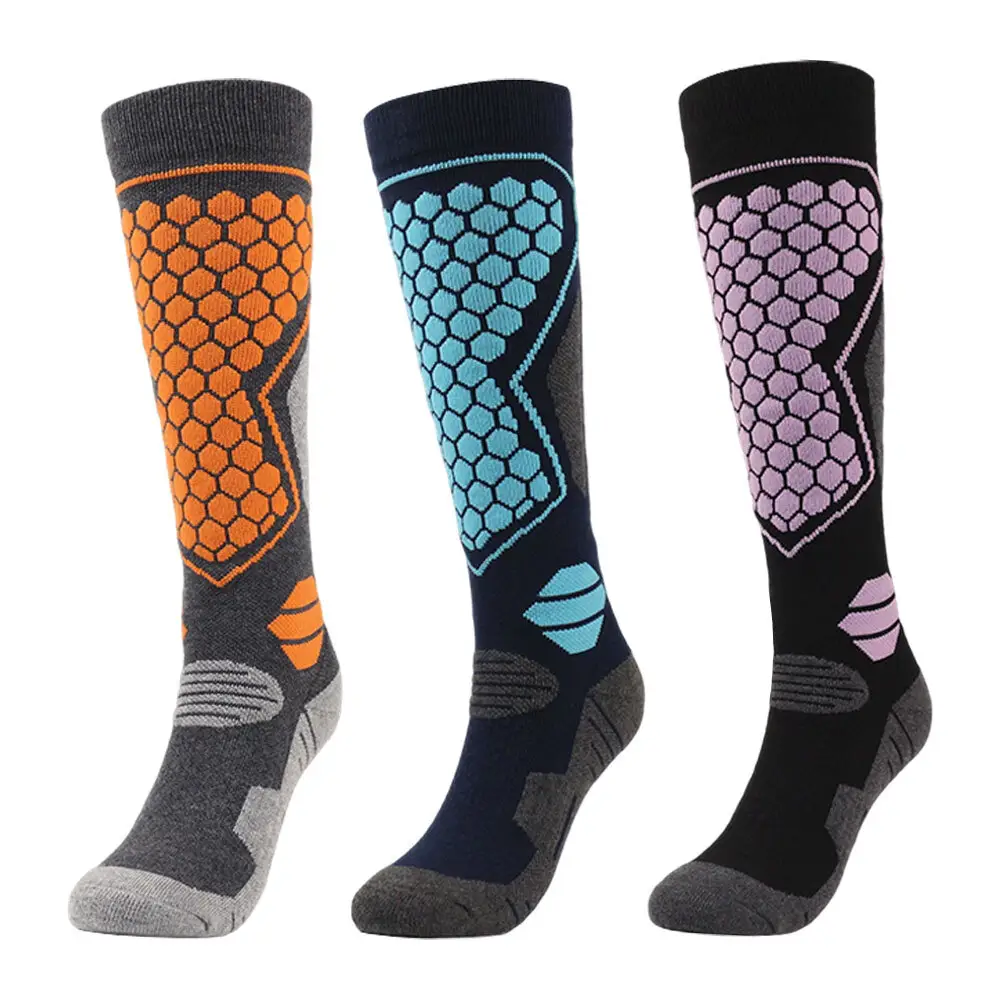
Textiles have a complicated environmental reputation. Growing fibers, dyeing fabrics, running machines, and shipping products all use resources and create waste. Customers and regulators increasingly want proof that brands are taking responsibility, and that pressure flows directly to suppliers. Buyers now ask factories about energy use, chemicals, waste handling, working conditions, and ethical practices, not only about price and quality. Jixingfeng Socks operates an environmentally friendly workshop and has been recognized by Coca-Cola for its green supply chain. Here is a closer look at what responsible production means for a sock factory, and how buyers can evaluate and support sustainability in their own sourcing.
What Responsibility Means in a Sock Factory
Responsible production covers several areas. Environmental management includes energy efficiency, waste reduction, careful handling of chemicals and dyes, and responsible disposal. Social responsibility includes fair wages, reasonable working hours, safe conditions, and respectful treatment of workers. Ethical business practice covers honest dealing and transparency. In sock manufacturing, specific topics include how yarn waste is managed, how finishing processes use water and energy, and how packaging materials are chosen. Understanding this broad scope helps buyers ask better questions, rather than relying on a single label or certificate to represent an entire picture of responsibility.
Certifications and Third-Party Verification
Independent verification gives credibility to sustainability claims. The company holds twelve international certifications, including SEDEX four-pillar, which covers labor standards, health and safety, environment, and business ethics, along with ISO 9001, SGS, and RBI. It also meets audit standards associated with Walmart and McDonald's. For a certified socks supplier, this documentation shows that outside parties have examined its practices. Buyers should still ask for current certificates and understand what each covers. Combining documents with conversations and, where possible, visits or independent audits gives a more complete and reliable view of how responsibly a factory truly operates.
An Environmentally Friendly Workshop
The physical workplace reflects values. A workshop of about nineteen thousand square meters that is organized with efficiency and environmental care can reduce waste, conserve energy, and provide a healthier environment for workers. Good ventilation, orderly storage, and careful handling of materials all contribute. Efficient planning of production runs also reduces wasted yarn and unnecessary rework. Recognition for a green supply chain suggests that these practices have been noticed by demanding customers. Brands that care about their own environmental reporting benefit from partners whose practices can be described honestly and supported with evidence, rather than vague statements.

Durability as a Form of Sustainability
One of the most overlooked sustainability measures is making products last. A sock that wears out in a month is replaced quickly, creating waste and cost. Strong construction, quality yarns, secure elastic, and full inspection before packaging help socks survive many washes. Functional features such as moisture-wicking and antibacterial finishes can also reduce the need for frequent washing in some situations. Brands that focus on durability reduce returns and complaints while giving customers better value. Designing socks that people keep and enjoy for longer is a practical, credible way to reduce environmental impact without relying on marketing slogans.
How Brands Can Support Responsible Sourcing
Buyers play a role too. Plan orders in advance to avoid rushed production and air freight. Choose designs that make efficient use of materials and avoid unnecessary packaging. Ask suppliers for documentation and respect the time it takes to maintain standards. Communicate honestly with customers about what your products and processes actually achieve, avoiding exaggeration. Consider long-term relationships, which allow suppliers to invest in improvements. When brands and factories treat sustainability as a shared effort, progress becomes more realistic and lasting. A responsible supply chain is built through many small,
- Ask Nguza
- Food and Recipes
- Lifestyle
- Parenting
- Education
- Career & Business
- Sports
- Entertainment
- Marketing & Blogging
- Travel
- Confessions / Anonymous Talk
- Local News & Gossip
- Memes & Fun
- Art
- Hot Topics / Trending
- Causes
- Crafts
- Dance
- Drinks
- Film
- Fitness
- Food
- Giochi
- Gardening
- Health
- Home
- Literature
- Music
- Networking
- Altre informazioni
- Party
- Religion
- Shopping
- Sports
- Theater
- Wellness
- Personal Development
- Technology
- Finance
 Italiano
 English
 Arabic
 French
 Spanish
 Portuguese
 Deutsch
 Turkish
 Dutch
Dutch
 Russian
 Romaian
 Portuguese (Brazil)
 Greek
Greek
