


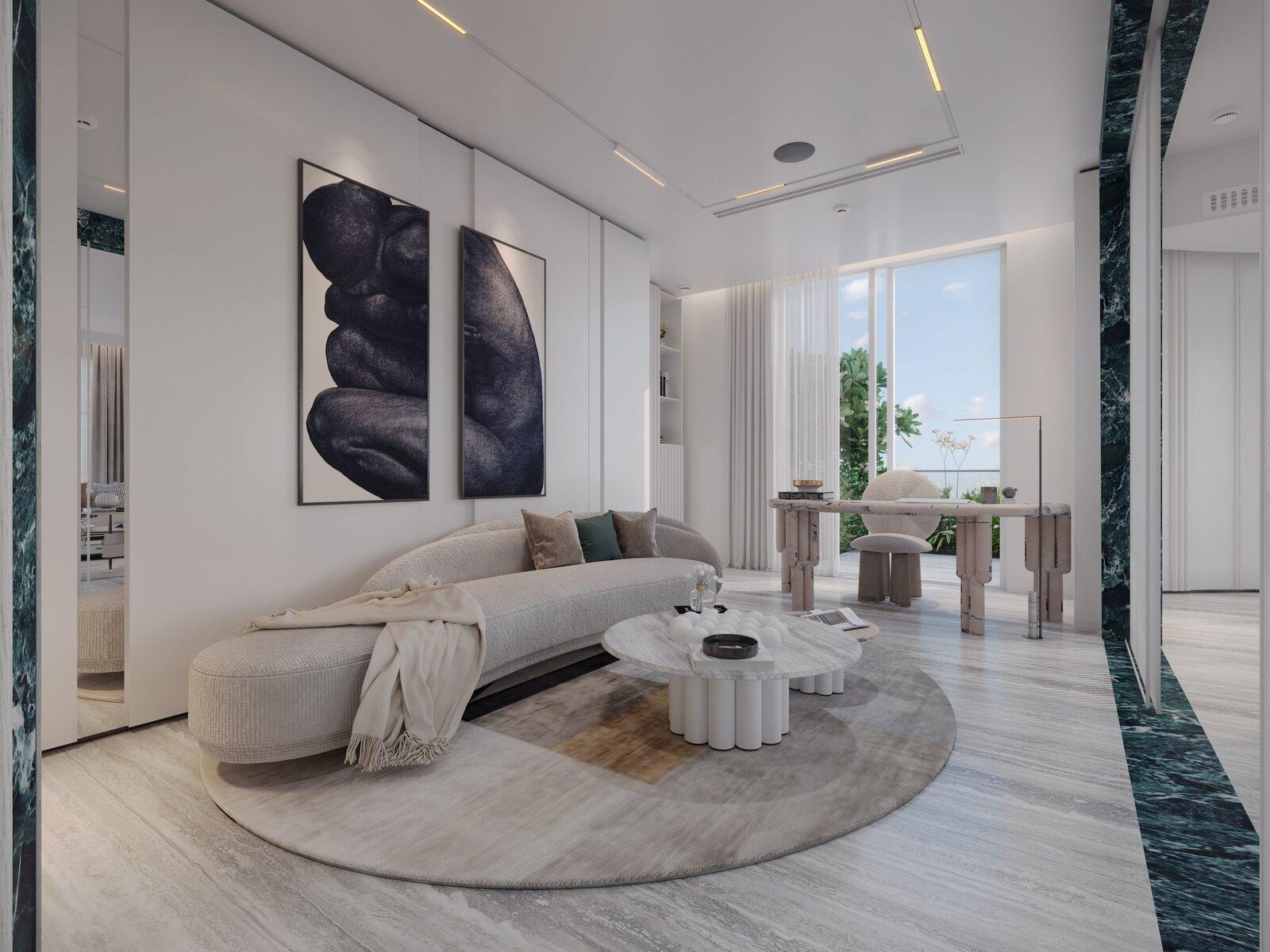
In the evolving world of interior design, the line between functional object and fine art has become increasingly blurred. Homeowners and designers are no longer satisfied with furniture that merely serves a purpose; they seek pieces that provoke thought, spark conversation, and anchor a room with a distinct visual identity. This shift in consumer preference has propelled Sculptural Statement Furniture from a niche curiosity to a central element of high-end design schemes. These pieces are characterized by their artistic forms, unconventional materials, and the ability to transform a mundane living space into a curated gallery of personal expression. As the demand for personalized and experience-driven environments grows, understanding the nuances of this furniture category is essential for anyone looking to create a truly impactful interior.
The rise of open-concept living spaces has further accelerated the need for objects that can stand alone as focal points. In large, undivided rooms, traditional furniture arrangements can feel sparse or disconnected. A bold, artistic piece fills the void, providing visual weight and directing the flow of movement. Whether it is a contoured lounge chair that mimics the human form or a coffee table that resembles a geological formation, these items bridge the gap between utility and sculpture. This article explores the defining characteristics of these artistic furnishings and offers practical guidance on how to integrate them seamlessly into a variety of interior settings.
Understanding Sculptural Statement Furniture and Its Importance
At its core, this category of furniture is defined by a departure from traditional geometric constraints. Unlike standard sofas or cabinets that prioritize uniform lines and predictable silhouettes, sculptural pieces embrace fluidity, asymmetry, and organic or abstract forms. They are often created by designers who approach the crafting process as an artist would, considering negative space, balance, and the interplay of light and shadow. The importance of these pieces lies in their ability to evoke emotion. A room filled with standard furniture is functional, but a room anchored by a sculptural piece is experiential. It challenges the viewer's perception and adds a layer of intellectual engagement to the domestic environment. For businesses such as boutique hotels or corporate lobbies, investing in these pieces signals a commitment to innovation and avant-garde thinking, distinguishing the brand from competitors who rely on conventional decor.
Importance of Professional Curation in Interior Design
While the allure of a bold piece is undeniable, the successful integration of such items requires a professional eye. The difference between a cohesive, sophisticated room and a chaotic one often comes down to curation. Professional designers understand that a sculptural object acts as the protagonist of a space; it needs a supporting cast of understated elements to shine. They consider scale, proportion, and color theory to ensure the piece enhances rather than overwhelms the architecture. Furthermore, professionals can source pieces from artisans and galleries that are not readily accessible to the public, ensuring the final installation is unique. Investing in professional curation ensures that the artistic integrity of the furniture is preserved while the functionality of the room remains uncompromised.
Services and Features Related to Artistic Furniture Design
The market for these artistic furnishings encompasses a wide range of services and features that cater to diverse aesthetic preferences. Custom fabrication is a significant component, where artisans work directly with clients to create bespoke pieces that fit specific spatial dimensions and material palettes. Features often include mixed-media construction, combining materials like travertine, brushed brass, bouclé fabric, and blown glass into a single object. Sustainability is also becoming a defining feature, with many designers utilizing reclaimed wood or recycled metals to create eco-conscious art. Additionally, some manufacturers offer limited edition runs, complete with certificates of authenticity, turning furniture ownership into a form of art collection. These features ensure that the furniture is not just a disposable commodity but a lasting investment.
Choosing the Right Sculptural Statement Furniture
Selecting the perfect piece is a process that balances emotional response with practical spatial analysis. The first step is to identify the focal point of the room. If a room lacks a natural architectural feature like a fireplace or a view, a sculptural piece can serve as the visual anchor. It is crucial to measure the space carefully; an oversized piece in a small room can feel oppressive, while a delicate piece in a vast hall can get lost. Material selection should align with the room's function and traffic. For high-traffic family areas, durable materials like cast resin or powder-coated steel are advisable, whereas a formal living room might accommodate more delicate materials like ceramic or glass. Finally, color and texture should be considered; a monochromatic piece can add subtle texture, while a vibrant color can inject energy into a neutral palette. Trusting one's instinct is vital, as the piece should resonate personally with the owner.
Quality, Safety, and Industry Standards
Despite their artistic nature, these furnishings must adhere to the same rigorous safety and quality standards as conventional furniture. Structural integrity is paramount; a chair that looks like a twisted ribbon must still be capable of supporting weight safely. Reputable manufacturers conduct stress tests and use high-grade joinery and welding techniques to ensure stability. Surface finishes must be durable and non-toxic, especially in homes with children or pets. Industry standards also govern fire retardancy for upholstered items and the stability of heavy stone or metal components to prevent tipping. When evaluating a piece, consumers should look for evidence of quality craftsmanship, such as smooth welds, flawless upholstery seams, and a solid, heavy base that indicates stability. Ensuring these standards are met guarantees that the investment is both beautiful and safe.
Benefits of Incorporating Statement Pieces
The benefits of integrating these artistic elements extend far beyond mere aesthetics. Psychologically, living with art and design can boost mood and inspire creativity. A well-placed sculptural chair or table can make a small apartment feel curated and luxurious, maximizing the impact of limited square footage. From a financial perspective, limited-edition designer furniture often retains or appreciates in value over time, unlike mass-produced items that depreciate quickly. In commercial settings, these pieces serve as powerful marketing tools; a striking interior encourages social media sharing and photography, providing free brand exposure. Ultimately, the primary benefit is the creation of a space that feels authentically personal, reflecting the tastes and personality of the inhabitants in a tangible, three-dimensional way.
Future Trends and Industry Development
The future of furniture design is poised to become even more experimental, driven by technological advancements. We are seeing a rise in 3D-printed furniture that allows for complex, organic geometries previously impossible to manufacture. Digital integration is another emerging trend, with some pieces incorporating subtle lighting or acoustic elements to enhance the sensory experience. There is also a growing focus on biomimicry, where designers look to nature for structural inspiration, creating pieces that mimic the strength of bones or the flow of water. As virtual and augmented reality become more prevalent in interior design, clients will be able to visualize how a sculptural piece interacts with their space before making a purchase. These developments promise to further blur the lines between the digital and physical worlds, expanding the possibilities of what furniture can be.
Conclusion
Incorporating art into the home is no longer a luxury reserved for the elite; it is a design philosophy accessible to anyone who values creativity and self-expression. By understanding the defining features and placement strategies, one can transform a standard room into a dynamic environment. Whether you are drawn to a minimalist, organic form or a bold, geometric abstraction, the key is to choose pieces that resonate with your personal style and enhance the functionality of your space. From enhancing the visual appeal of a living room to defining the brand identity of a commercial space, Sculptural Statement Furniture offers a unique opportunity to live with art every day. By prioritizing quality, safety, and thoughtful curation, you can create interiors that are not only functional but truly inspiring.

 Arabic
 French
 Spanish
 Portuguese
 Deutsch
 Turkish
 Dutch
Dutch
 Italiano
 Russian
 Romaian
 Portuguese (Brazil)
 Greek
Greek
