


A Buyer’s Guide to Vintage True Religion Jeans
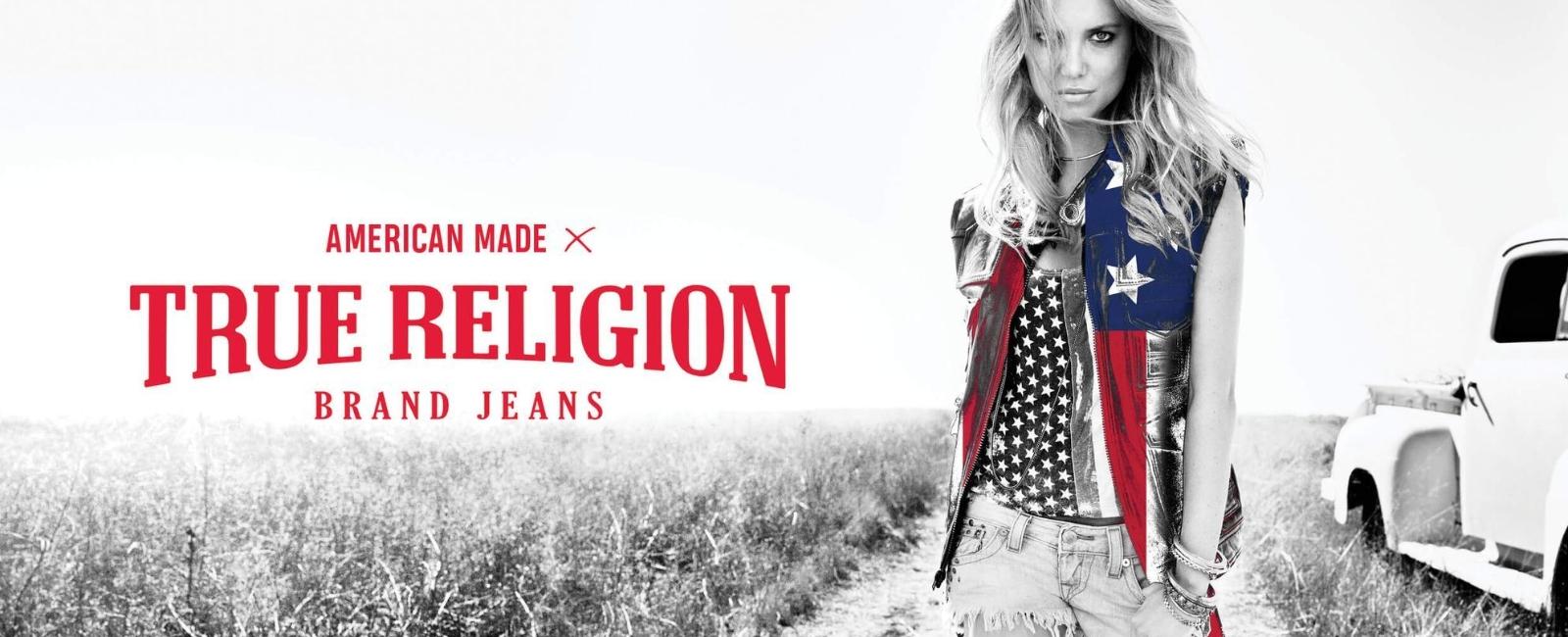
Buying vintage denim requires more than choosing a size and color. Age, previous wear, alterations, fading, fabric condition, and construction can all affect what a pair is worth to you. A good purchase starts with knowing what details to inspect before spending money.
This buyer’s guide to vintage True Religion jeans explains the main factors to consider, from fit and denim condition to stitching, labels, measurements, and everyday care.
Why Vintage True Religion Jeans Stand Out
Older True Religion jeans are often recognized for their substantial denim and noticeable stitching. Many pairs feature large horseshoe details on the back pockets, while different releases use variations in pocket shapes, thread colors, washes, and branding.
The appeal of vintage denim also comes from natural wear. Fading around the thighs, knees, pockets, and hems can give an older pair character. However, attractive fading should not be confused with damage. A buyer should always check whether the fabric remains strong in heavily worn areas.
Vintage jeans can also fit differently from newer denim. Older cuts may have wider legs, lower rises, or roomier proportions. That makes the actual measurements more useful than relying only on the size shown on the label.
Check the Measurements Before Buying
Sizing is one of the most important parts of buying vintage True Religion jeans. A tagged waist size does not always match the actual measurement, particularly after years of washing or alterations.
Ask for these measurements when they are available:
- Waist measured flat
- Front rise
- Back rise
- Inseam
- Thigh width
- Leg opening
Compare these measurements with jeans that already fit you well. This gives you a much better idea of how the vintage pair will sit on your body.
Pay particular attention to the rise. Two jeans with the same waist measurement can feel completely different because one has a higher rise and the other sits lower. The leg opening also matters if you want a wider vintage look or a more tapered appearance.
Inspect the Denim Condition
Condition can vary greatly between vintage jeans. Some pairs may have been worn only a few times, while others may show years of regular use.
Look closely at areas that receive the most stress. Check the crotch, inner thighs, knees, seat, pocket corners, belt loops, and hems. Small signs of wear are normal, but thinning fabric or large repairs can affect durability.
Pay attention to the denim around the pockets as well. Heavy objects such as keys, phones, and wallets can create stress over time.
Natural fading is generally different from fabric damage. Fading changes the color of the denim, while damage affects the actual fibers. Knowing the difference helps you make a more informed buying decision.
Look Closely at Stitching and Details
Stitching is an important visual feature of True Religion jeans. Examine the horseshoe stitching, pocket construction, belt loops, waistband, and hems.
The stitching should generally look consistent with the construction of the jeans. Loose threads do not automatically mean a pair is fake, especially with older garments, but excessive unraveling may indicate wear or previous repairs.
Also inspect buttons, rivets, zippers, interior labels, and other construction details. These elements can provide useful information about the garment and its condition.
If you are buying vintage True Religion jeans online, ask for clear photographs of both the front and back, along with close images of the labels and hardware. Good photographs make it easier to identify wear that may not be obvious in a listing description.
Consider the Wash and Fading
Vintage denim often develops its appearance through repeated wear and washing. Different washes can produce very different looks, even when the jeans share the same basic cut.
Look at the fading across the thighs, knees, seat, and back pockets. Consistent wear can create a naturally aged appearance, while unusual discoloration may require closer inspection.
You should also check for stains. Some marks may be removable, while others can become permanent after years of wear. Ask the seller about stains, odors, repairs, and previous washing if the listing does not provide enough information.
Authenticity Matters
When buying vintage True Religion jeans, authenticity deserves careful attention. Popular denim can attract counterfeit listings, particularly when a pair has sought after details or an older release.
Do not rely on one feature alone. Consider the overall construction, labels, stitching, hardware, pocket details, typography, and photographs. Compare several details together rather than deciding authenticity from the horseshoe stitching alone.
If the seller provides limited photographs or avoids reasonable questions about measurements and condition, take that as a reason to slow down before purchasing.
Think About the Price
The price of vintage True Religion jeans can vary significantly. Factors such as age, condition, size, wash, construction, rarity, and demand can all influence the asking price.
Do not assume that every old pair automatically has a high value. Age is only one factor. A heavily damaged pair may be less desirable than a well maintained pair with desirable proportions and strong fabric.
When comparing prices, look at similar jeans with comparable measurements and condition. This gives you a more realistic idea of what buyers are paying rather than relying on a single listing.
Vintage Fit Can Be Different
The way vintage jeans fit is often different from contemporary denim. Some older pairs have a roomier seat and thigh with a wider leg. Others may have a lower rise or a more pronounced bootcut shape.
Think about how you plan to wear the jeans before buying them. If you want a relaxed streetwear fit, additional room through the thigh and leg may be useful. If you prefer a closer fit, measurements become even more important.
Do not automatically size up or down based on photographs. A model’s proportions, styling, and camera angle can make jeans appear different from their actual fit.
Ask Questions Before Purchasing
If you are buying from an individual seller, ask direct questions before completing the purchase.
Useful questions include:
- What is the actual waist measurement?
- What is the inseam?
- Have the jeans been altered?
- Are there repairs?
- Is there thinning fabric?
- Are there stains or strong odors?
- Are all buttons, rivets, and zippers functional?
- Can you provide close photographs of the labels and stitching?
Clear answers can prevent surprises after the purchase.
How to Care for Vintage True Religion Jeans
Once you own a pair, proper care can help preserve the denim. Avoid washing them unnecessarily often. When washing becomes necessary, follow the garment’s care instructions and use a gentle approach.
Turn the jeans inside out when appropriate and avoid excessive heat, which can affect both fabric and fit. Air drying can also reduce unnecessary stress on older denim.
For minor marks, spot cleaning may be preferable to putting the entire garment through a wash cycle. Always consider the age and condition of the denim before using cleaning products.
Final Buying Checklist
Before purchasing vintage True Religion jeans, check the following:
- Actual measurements
- Rise and leg opening
- Denim thickness and condition
- Inner thigh and crotch wear
- Pocket corners and belt loops
- Horseshoe stitching
- Labels and hardware
- Alterations and repairs
- Stains and odors
- Seller photographs
- Overall price compared with similar pairs
Taking a few extra minutes to inspect these details can make the buying process much safer and more predictable.
FAQs
Are vintage True Religion jeans true to size?
Not always. Older cuts and previous washing can change how a pair fits, so actual garment measurements are more reliable than the tagged size.
How can I check vintage True Religion jeans for authenticity?
Check multiple details together, including labels, stitching, hardware, pocket construction, typography, and overall garment quality. Avoid relying on one feature alone.
Are vintage True Religion jeans worth buying?
They can be a good choice if the fit, condition, construction, and price match what you are looking for. Always inspect the garment carefully before purchasing.
- Ask Nguza
- Food and Recipes
- Lifestyle
- Parenting
- Education
- Career & Business
- Sports
- Entertainment
- Marketing & Blogging
- Travel
- Confessions / Anonymous Talk
- Local News & Gossip
- Memes & Fun
- Art
- Hot Topics / Trending
- Causes
- Crafts
- Dance
- Drinks
- Film
- Fitness
- Food
- Games
- Gardening
- Health
- Home
- Literature
- Music
- Networking
- Other
- Party
- Religion
- Shopping
- Sports
- Theater
- Wellness
- Personal Development
- Technology
- Finance
 English
 Arabic
 French
 Spanish
 Portuguese
 Deutsch
 Turkish
 Dutch
 Italiano
 Russian
 Romaian
 Portuguese (Brazil)
 Greek
