


How to Compare Lab-Grown and Natural Stones in a Three Stone Diamond Engagement Ring
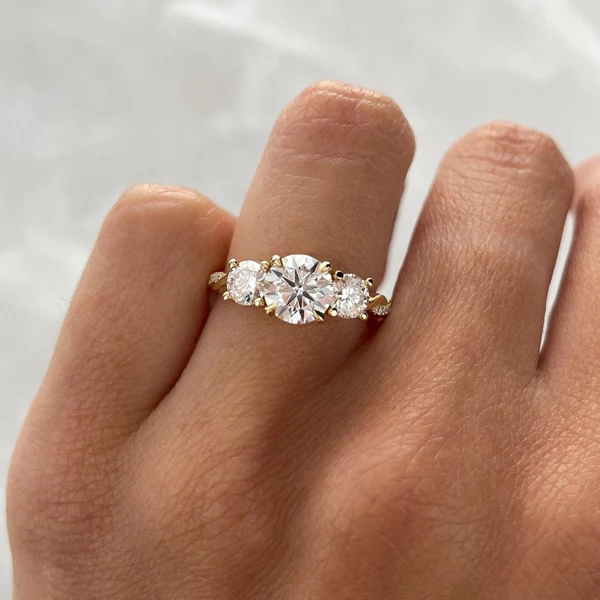
Choosing the stones for an engagement ring is a personal decision. When a ring has three diamonds, each stone plays a part in the overall look. You may be wondering whether lab-grown or natural diamonds are the better choice. The answer depends on what matters most to you, including budget, origin, appearance, certification, and long-term meaning.
A three-stone design already has a strong story behind it. The three diamonds are often associated with the past, present, and future of a relationship. Because of this, many couples want to take their time before deciding which type of diamond belongs in the ring.
Start With the Main Difference
The biggest difference between lab-grown and natural diamonds is where they come from.
Natural diamonds form deep inside the earth over a very long period of time. They are mined, cut, graded, and then used in jewelry.
Lab-grown diamonds are made in controlled facilities using technology that recreates the conditions needed for diamond growth. They have the same basic chemical composition and crystal structure as natural diamonds.
To the eye, a well-cut lab-grown diamond and a natural diamond can look very similar. The difference is mainly their origin, not whether one is a real diamond and the other is not.
Compare Diamond Quality Before Origin
When choosing stones for a three-stone design, look beyond whether the diamond is lab-grown or natural.
Check the 4Cs
The 4Cs—cut, color, clarity, and carat weight—are important for both types of diamonds.
Cut affects how well the diamond handles light. In a three-stone ring, matching the cut quality of all three stones can help create a balanced appearance.
Color describes how much color can be seen in a diamond. If the three stones are close in color, the ring can have a more even look.
Clarity refers to internal and surface characteristics. Small differences in clarity may not be easy to notice without magnification, so it is worth considering whether paying more for a higher clarity grade is useful for your particular ring.
Carat weight affects the size and overall presence of each stone. The center diamond is often larger than the side stones, but the proportions can be adjusted to suit your preferred design.
Look at the Cut Carefully
Cut deserves special attention when comparing three diamonds. A diamond with a strong cut can look lively even when it has a lower color or clarity grade.
Rather than choosing three stones based only on their certificates, look at how they work together. The shape, proportions, and visual balance should feel right when the diamonds are placed side by side.
Think About Your Budget
Price is another major difference worth considering.
Lab-grown diamonds generally give shoppers access to larger or higher-graded stones at a lower price than comparable natural diamonds. This can be useful when you want a three-stone ring with a noticeable center diamond and well-matched side stones.
Natural diamonds can require a larger budget, particularly when you want higher carat weights, strong color grades, and good clarity.
Your budget does not have to determine the meaning of the ring. It simply helps you decide where to spend more and where you can make practical compromises.
Consider Matching All Three Stones
A three-stone ring requires more than choosing one beautiful diamond.
The three stones need to work together. Differences in color, shape, proportions, or cut quality can sometimes be noticeable when the diamonds sit next to each other.
For example, if the center stone has a warmer color while the side stones are noticeably whiter, the difference may stand out. Similarly, side diamonds that are too large or too small compared with the center can change the balance of the setting.
Whether you choose lab-grown or natural stones, ask the jeweler to compare the diamonds together before finalizing the ring.
Don't Ignore Certification
A diamond grading report can give you useful information about the stone's characteristics.
For both lab-grown and natural diamonds, review details such as carat weight, color, clarity, measurements, and cut grade when available. Certification can also make it easier to compare stones from different sources.
The report should match the diamond you are buying. If you are purchasing three separate stones, check the documentation for each one rather than focusing only on the center diamond.
Think About What Matters to You
Some buyers care deeply about the natural origin of a diamond. For them, knowing that the stone formed naturally inside the earth may be an important part of the purchase.
Other couples prefer lab-grown diamonds because they can offer more size and quality within a set budget. Some also like having the option to put more of their budget toward the setting or other parts of the ring.
Neither choice has to be right for everyone. The best option is the one that fits your values, expectations, and budget.
Consider the Ring Design as a Whole
The stone choice is only one part of a three-stone ring.
Think about the metal, setting style, prongs, diamond shapes, and proportions. Round diamonds create a different look from oval, pear, emerald, or cushion shapes. You can also choose three matching shapes or use a different center shape with coordinating side stones.
A well-planned three stone wedding ring should feel comfortable and balanced on the hand. The stones should not compete with one another.
Ask These Questions Before Buying
Before making your final decision, ask:
- Are all three stones graded and documented?
- Do the diamonds match well in color?
- Are the cuts suitable for the design?
- Is the center stone properly proportioned with the side stones?
- What is the total carat weight?
- How does the price compare between lab-grown and natural options?
- What metal and setting will be used?
- Does the ring come with a warranty or care service?
These questions can help prevent surprises after your purchase.
Make the Choice That Feels Right
There is no single answer when comparing lab-grown and natural diamonds. A lab-grown diamond may be the right choice if you want more size or higher grades within your budget. A natural diamond may appeal to you if its geological origin is an important part of the story you want the ring to tell.
If you are searching for an engagement ring three stone, compare the complete ring rather than judging the diamonds separately. The center stone, side stones, setting, proportions, and budget should all work together.
At Antiquecut, the focus can be on finding a ring that fits your personal taste and the meaning behind your relationship, rather than simply choosing a diamond based on one specification.
For couples who want to compare styles before deciding, See More Options of three stone wedding ring and look at different stone arrangements, settings, and proportions.
The most important thing is that you feel confident when you make the choice. Whether your three diamonds are lab-grown or natural, the ring should represent the person you are choosing to share your future with.
- Ask Nguza
- Food and Recipes
- Lifestyle
- Parenting
- Education
- Career & Business
- Sports
- Entertainment
- Marketing & Blogging
- Travel
- Confessions / Anonymous Talk
- Local News & Gossip
- Memes & Fun
- Art
- Hot Topics / Trending
- Causes
- Crafts
- Dance
- Drinks
- Film
- Fitness
- Food
- Games
- Gardening
- Health
- Home
- Literature
- Music
- Networking
- Other
- Party
- Religion
- Shopping
- Sports
- Theater
- Wellness
- Personal Development
- Technology
- Finance
 English
 Arabic
 French
 Spanish
 Portuguese
 Deutsch
 Turkish
 Dutch
Dutch
 Italiano
 Russian
 Romaian
 Portuguese (Brazil)
 Greek
Greek
