


Modular Long-Duration Storage Systems: Scalable Energy Solutions for a Stable and Renewable Future
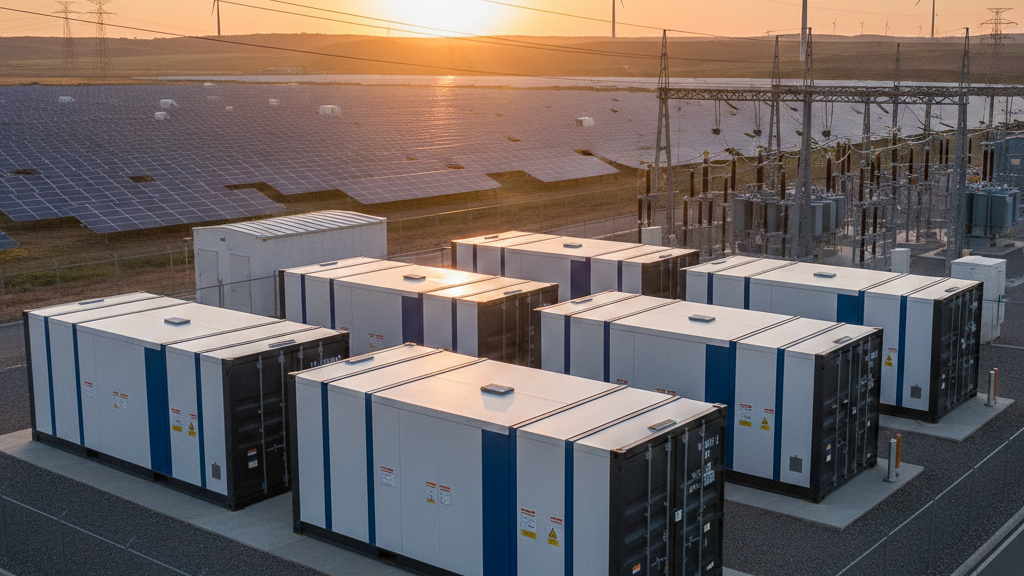
Modular Long-Duration Storage Systems are advanced energy storage architectures designed to provide reliable, scalable, and extended-duration power supply for modern energy networks. As the global energy landscape shifts toward renewable sources such as solar and wind, the need for flexible storage solutions that can operate over long time periods has become increasingly important.
These systems are built using modular units that can be combined, expanded, or reconfigured depending on energy demand, making them suitable for utility-scale grids, industrial applications, and remote power systems.
What Are Modular Long-Duration Storage Systems?
Modular Long-Duration Storage Systems are energy storage setups composed of multiple standardized units (modules) that store and release energy over extended periods.
Unlike traditional short-duration battery systems, these technologies are designed to deliver power for hours, days, or even longer depending on system configuration.
Each module typically includes:
Energy storage cells or units
Power conversion system
Thermal management system
Battery or hybrid control system
Monitoring and safety electronics
The modular design allows systems to scale easily without redesigning the entire infrastructure.
How Modular Storage Systems Work
These systems operate by storing energy during periods of low demand or excess generation and releasing it when demand increases or renewable supply decreases.
Energy flows through a controlled system that manages:
Charging during surplus energy availability
Storage within modular units
Controlled discharge when required
Power conversion for grid or industrial use
Because the system is modular, additional capacity can be added simply by integrating more storage units.
Importance of Long-Duration Energy Storage
Long-duration storage is essential for balancing modern power systems, especially those that rely heavily on renewable energy.
Solar and wind energy are intermittent by nature, meaning they do not always generate power when it is needed. Long-duration storage solves this challenge by:
Storing excess renewable energy
Providing continuous power during low generation periods
Stabilizing grid frequency and voltage
Reducing reliance on fossil fuel backup systems
This makes energy systems more stable, efficient, and sustainable.
Key Features of Modular Long-Duration Storage Systems
Scalability and Flexibility
One of the most important advantages is modular scalability. Systems can be expanded incrementally based on demand without replacing existing infrastructure.
Extended Energy Duration
These systems are designed to provide power for long periods, making them suitable for overnight storage, multi-day backup, or grid balancing applications.
High System Reliability
Modular architecture improves reliability because individual units can operate independently or in parallel, reducing the risk of complete system failure.
Easier Maintenance and Replacement
Faulty modules can be replaced without shutting down the entire system, reducing downtime and maintenance costs.
Optimized Energy Management
Advanced control systems ensure efficient energy distribution, reducing losses and improving performance across all modules.
Applications of Modular Long-Duration Storage Systems
Renewable Energy Integration
These systems are widely used to store energy generated from solar farms and wind turbines, ensuring consistent energy supply even when generation is low.
Grid Stabilization
They help maintain grid stability by balancing supply and demand, preventing fluctuations in frequency and voltage.
Industrial Energy Management
Factories and large industrial facilities use these systems to manage peak loads and ensure uninterrupted operations.
Remote and Off-Grid Power Systems
Modular storage is ideal for remote areas where continuous power supply is required without direct grid access.
Emergency Backup Power
They provide reliable backup energy for hospitals, data centers, and critical infrastructure during outages.
Advantages Over Traditional Energy Storage Systems
Compared to conventional single-unit battery systems, modular long-duration storage offers several advantages:
Greater scalability and expansion flexibility
Improved reliability through distributed architecture
Longer operational energy supply duration
Reduced downtime through modular maintenance
Better adaptation to diverse energy demands
These advantages make modular systems more suitable for modern energy infrastructure.
Role in Renewable Energy Transition
As global energy systems transition toward cleaner sources, modular storage systems play a central role in enabling renewable adoption.
They help by:
Storing excess solar and wind energy
Reducing curtailment of renewable power
Supporting decentralized energy grids
Enabling stable energy supply in variable conditions
This makes them a critical component of future sustainable energy ecosystems.
Safety and System Management
Modern modular storage systems include advanced safety and control features such as:
Real-time monitoring systems
Thermal management controls
Automated fault detection
Overcharge and discharge protection
Emergency isolation mechanisms
These systems ensure safe and stable operation under all conditions.
Environmental Benefits
Modular long-duration storage supports environmental sustainability by:
Reducing dependence on fossil fuel backup generation
Improving efficiency of renewable energy use
Extending system lifespan through modular replacement
Lowering overall carbon emissions in power systems
These benefits make them an important part of global decarbonization strategies.
Challenges and Development Considerations
Despite their advantages, modular storage systems also face challenges:
High initial infrastructure investment
Complex system integration requirements
Need for advanced control software
Standardization across manufacturers
However, continuous technological advancements are improving cost efficiency and performance.
Future Outlook
The future of energy storage is moving toward flexible, distributed, and long-duration systems. Modular storage technology is expected to play a major role in:
Smart grid development
Renewable energy expansion
Industrial energy optimization
Large-scale utility storage networks
As technology matures, these systems will become more efficient, cost-effective, and widely deployed across global energy infrastructure.
Conclusion
Modular Long-Duration Storage Systems represent a powerful and flexible approach to modern energy storage. By combining scalability, long-duration performance, and advanced system management, they provide a reliable solution for integrating renewable energy and stabilizing power grids.
As global energy demands continue to grow, these systems will play a vital role in building a more resilient, efficient, and sustainable energy future.
- Ask Nguza
- Food and Recipes
- Lifestyle
- Parenting
- Education
- Career & Business
- Sports
- Entertainment
- Marketing & Blogging
- Travel
- Confessions / Anonymous Talk
- Local News & Gossip
- Memes & Fun
- Art
- Hot Topics / Trending
- Causes
- Crafts
- Dance
- Drinks
- Film
- Fitness
- Food
- Games
- Gardening
- Health
- Home
- Literature
- Music
- Networking
- Other
- Party
- Religion
- Shopping
- Sports
- Theater
- Wellness
- Personal Development
- Technology
- Finance
 English
 Arabic
 French
 Spanish
 Portuguese
 Deutsch
 Turkish
 Dutch
Dutch
 Italiano
 Russian
 Romaian
 Portuguese (Brazil)
 Greek
Greek
