

The Growing Role of RWA Tokenization Platform Development in Alternative Assets
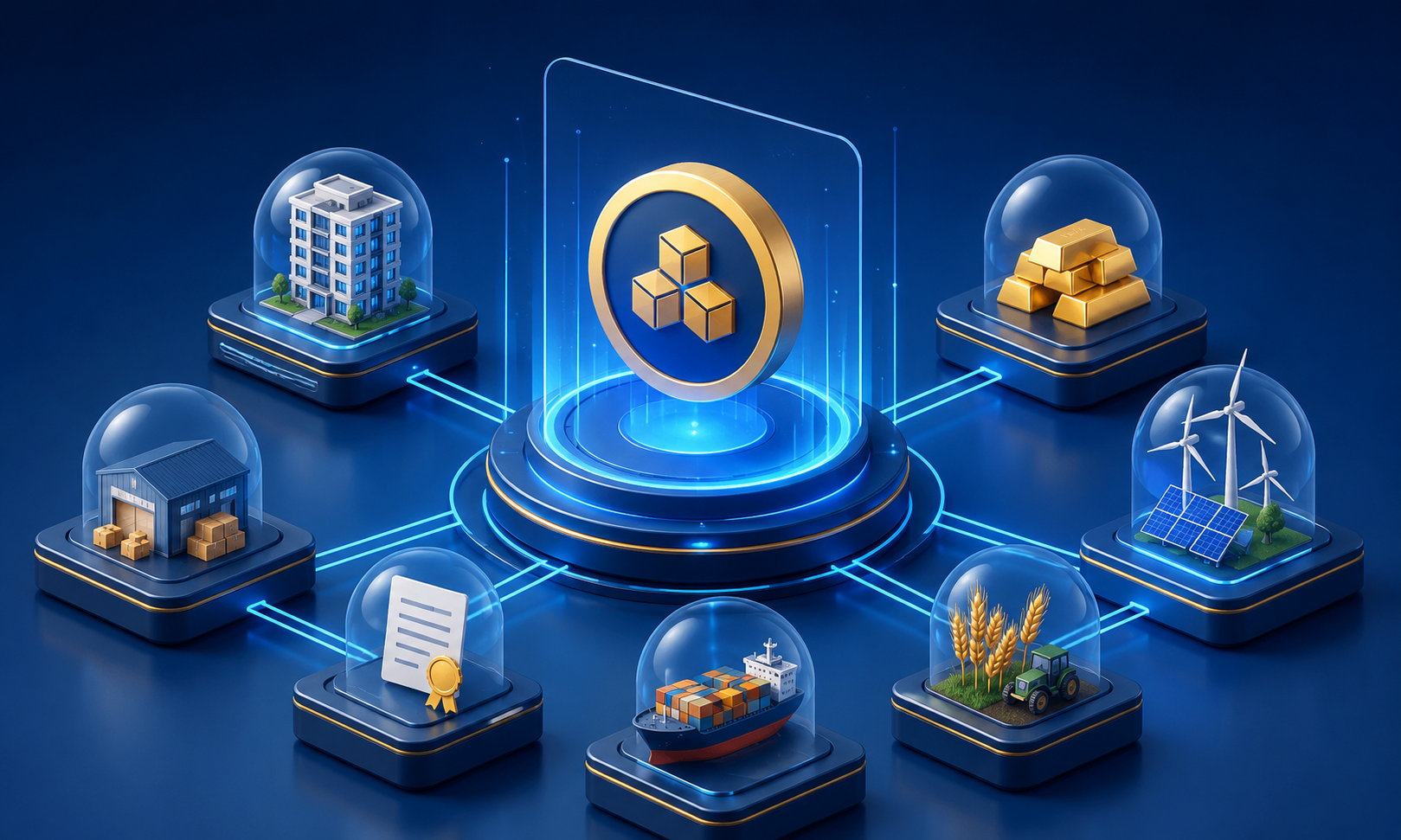
Alternative assets have become an increasingly important part of modern investment portfolios. Investors are no longer limiting themselves to stocks, bonds, and traditional financial products. Real estate, private equity, fine art, commodities, collectibles, infrastructure projects, and other non-traditional assets are attracting significant attention from institutions and retail investors alike. However, many of these asset classes have historically been associated with high entry barriers, limited liquidity, complex ownership structures, and lengthy transaction processes.
As blockchain technology continues to mature, a new approach to ownership and asset management has emerged through RWA Tokenization. The process of converting ownership rights of physical and financial assets into blockchain-based digital tokens is creating new possibilities for asset issuers, investors, and financial institutions. The increasing demand for digital ownership models has led to substantial interest in rwa tokenization platform development across multiple industries.
Today, organizations are investing heavily in Real World Asset Tokenization initiatives to improve access to alternative assets while creating more efficient ownership structures. As the global financial ecosystem continues to evolve, RWA Tokenization Services are becoming an important component of modern asset management strategies.
Understanding RWA Tokenization
RWA Tokenization refers to the process of representing real-world assets as digital tokens on a blockchain network. These tokens represent ownership, rights, or economic interests associated with physical or financial assets.
Assets commonly tokenized include:
- Commercial real estate
- Residential properties
- Private equity holdings
- Precious metals
- Fine art collections
- Intellectual property
- Infrastructure projects
- Carbon credits
- Debt instruments
- Commodities
Through Real World Asset Tokenization, ownership can be divided into smaller fractions, making participation possible for a wider range of investors.
Instead of requiring a single buyer to acquire an entire asset, tokenized ownership allows multiple investors to hold portions of the same asset through digital tokens.
Why Alternative Assets Are Gaining Popularity
Alternative assets have gained traction due to their ability to provide portfolio diversification and potential returns that differ from traditional financial markets.
Several factors are contributing to this trend:
Search for Diversification
Investors increasingly seek opportunities beyond conventional asset classes. Alternative assets often behave differently during market fluctuations, helping diversify risk exposure.
Inflation Protection
Certain assets such as real estate, commodities, and infrastructure projects are often viewed as potential hedges against inflationary pressures.
Long-Term Value Potential
Assets like private equity, rare collectibles, and commercial properties may appreciate over time, attracting long-term investors.
Access to Emerging Opportunities
Technology has created new ways for investors to participate in previously inaccessible asset classes.
The growing popularity of alternative investments has created a natural demand for RWA tokenization development services that can support digital ownership structures.
Challenges Facing Traditional Alternative Asset Markets
Although alternative assets offer numerous opportunities, traditional ownership models present several limitations.
Limited Liquidity
Selling ownership interests in real estate, private equity, or collectibles can take weeks or months.
High Investment Thresholds
Many alternative assets require substantial capital commitments, excluding smaller investors.
Complex Administration
Ownership transfers, legal documentation, and compliance requirements often involve multiple intermediaries.
Geographic Restrictions
Investors may face barriers when attempting to participate in international opportunities.
Lack of Market Accessibility
Some alternative asset markets remain difficult to access due to institutional gatekeeping and operational complexity.
These challenges have contributed to the growing interest in RWA token development solutions designed to modernize asset ownership.
How RWA Tokenization Platform Development Supports Alternative Assets
The increasing role of rwa tokenization platform development stems from its ability to digitize ownership structures while introducing more flexible investment mechanisms.
A tokenization platform typically manages asset onboarding, investor verification, token issuance, ownership records, compliance processes, and secondary trading functions.
Such platforms create an organized framework for handling tokenized assets throughout their lifecycle.
Asset Digitization
Physical and financial assets can be represented through digital tokens that correspond to ownership rights.
Fractional Ownership
Assets can be divided into smaller units, allowing investors to acquire portions rather than entire assets.
Automated Record Management
Ownership records can be maintained through blockchain systems that provide consistent transaction histories.
Global Investor Participation
Tokenized assets can attract investors from different regions, subject to regulatory requirements.
Improved Transferability
Digital ownership interests can often be transferred more efficiently than traditional ownership structures.
Major Alternative Asset Categories Benefiting from Tokenization
Real Estate
Real estate remains one of the most active sectors for Real World Asset Tokenization Services.
Property ownership has traditionally involved significant capital requirements and extensive paperwork. Tokenization introduces a digital ownership model where investors can purchase fractions of residential, commercial, or industrial properties.
Benefits include:
- Fractional investment opportunities
- Simplified ownership transfers
- Broader investor participation
- Potential secondary market activity
Many organizations seeking property digitization collaborate with an RWA tokenization development company to create compliant investment ecosystems.
Private Equity
Private equity investments often involve long holding periods and limited liquidity.
Tokenization provides an alternative structure that may facilitate ownership transfers while preserving investment rights.
This approach can increase participation among qualified investors and expand access to private market opportunities.
Precious Metals
Gold, silver, platinum, and other precious metals have long served as stores of value.
Tokenized precious metal assets provide digital ownership representations linked to physical reserves, creating a more accessible investment format.
Fine Art and Collectibles
High-value artworks and collectibles often remain inaccessible to average investors.
Tokenization allows multiple participants to own portions of rare assets while maintaining records of ownership interests.
Infrastructure Assets
Large-scale infrastructure projects require significant capital investment.
Tokenized ownership models can create new funding opportunities by allowing broader participation from investors interested in infrastructure-related assets.
The Role of Blockchain in Asset Tokenization
Blockchain technology serves as the underlying infrastructure supporting tokenized assets.
Several characteristics make blockchain suitable for asset representation.
Immutable Transaction Records
Ownership changes are recorded on distributed ledgers, creating a historical record of transactions.
Digital Ownership Verification
Blockchain networks provide mechanisms for validating token ownership.
Smart Contract Functionality
Smart contracts automate specific processes related to asset management and ownership transfers.
Operational Efficiency
Digital workflows reduce reliance on manual recordkeeping and paper-based systems.
These capabilities have encouraged organizations to invest in RWA Tokenization projects across multiple industries.
Regulatory Considerations in RWA Tokenization
Regulation remains one of the most important aspects of Real World Asset Tokenization.
Tokenized assets frequently fall under existing securities, investment, and financial regulations.
Organizations pursuing tokenization initiatives often focus on:
Investor Verification
Platforms may implement Know Your Customer (KYC) procedures.
Anti-Money Laundering Compliance
AML processes help monitor and manage financial activity.
Securities Compliance
Depending on the jurisdiction, tokenized assets may be subject to securities regulations.
Reporting Requirements
Issuers often maintain records and disclosures required by regulators.
A professional RWA Tokenization Company typically works alongside legal and compliance experts to address these regulatory requirements.
Institutional Interest in Tokenized Alternative Assets
Institutional participation has become one of the most important developments within the tokenization sector.
Asset managers, investment firms, banks, and financial service providers are evaluating tokenization opportunities across multiple asset classes.
Several factors contribute to institutional interest:
- Growing demand for alternative investments
- Increased blockchain adoption
- Improved digital asset infrastructure
- Interest in operational efficiencies
- Expanding digital ownership markets
As institutions enter the market, demand for RWA tokenization development services continues to rise.
Key Components of a Tokenization Platform
Successful rwa tokenization platform development involves multiple technical and operational components.
Asset Management Module
Handles asset registration, documentation, and ownership tracking.
Investor Portal
Allows users to review investment opportunities and manage holdings.
Compliance Framework
Supports regulatory requirements, identity verification, and reporting.
Token Issuance System
Creates and distributes digital ownership tokens.
Smart Contract Layer
Manages automated ownership and transaction processes.
Secondary Market Integration
Facilitates potential trading and ownership transfers where permitted.
These components collectively support the lifecycle of tokenized assets.
Future Trends in Alternative Asset Tokenization
Several developments are expected to influence the future of RWA Tokenization.
Growth in Institutional Participation
More financial institutions are likely to explore tokenized asset offerings.
Expansion of Asset Categories
New asset classes may enter tokenization markets over time.
Improved Regulatory Frameworks
Governments and regulatory agencies continue evaluating digital asset regulations.
Increased Cross-Border Investment Activity
Tokenized ownership structures may support broader international participation.
Integration with Traditional Finance
Financial institutions are increasingly examining connections between traditional financial systems and tokenized assets.
These developments are expected to support continued growth in RWA Tokenizaion development activities worldwide.
Why Businesses Are Investing in Tokenization Platforms
Organizations pursuing asset digitization initiatives often recognize several advantages.
Access to New Investor Segments
Fractional ownership models can attract a broader audience.
Capital Formation Opportunities
Tokenized assets may provide additional fundraising mechanisms.
Operational Improvements
Digital workflows can reduce administrative complexity.
Market Expansion
Businesses can potentially reach investors across multiple jurisdictions.
Digital Asset Readiness
Organizations position themselves within a growing digital finance ecosystem.
As a result, partnerships with an experienced RWA tokenization development company have become increasingly common.
Conclusion
The alternative asset market is entering a new phase where digital ownership structures are becoming increasingly relevant. Real estate, private equity, commodities, infrastructure projects, collectibles, and many other asset classes are benefiting from the growing adoption of RWA Tokenization. As investors seek broader access to alternative investments and businesses look for more efficient methods of managing ownership, the demand for Real World Asset Tokenization, RWA Tokenization Services, Real World Asset Tokenization Services, RWA token development solutions, and comprehensive rwa tokenization platform development continues to increase. With regulatory frameworks evolving and institutional participation expanding, tokenized assets are expected to occupy a larger role within global investment markets. Blockchain App Factory provides rwa tokenization platform development solutions that help businesses bring real-world assets into the digital investment landscape.
- Ask Nguza
- Food and Recipes
- Lifestyle
- Parenting
- Education
- Career & Business
- Sports
- Entertainment
- Marketing & Blogging
- Travel
- Confessions / Anonymous Talk
- Local News & Gossip
- Memes & Fun
- Art
- Hot Topics / Trending
- Causes
- Crafts
- Dance
- Drinks
- Film
- Fitness
- Food
- Games
- Gardening
- Health
- Home
- Literature
- Music
- Networking
- Other
- Party
- Religion
- Shopping
- Sports
- Theater
- Wellness
- Personal Development
- Technology
- Finance
 English
 Arabic
 French
 Spanish
 Portuguese
 Deutsch
 Turkish
 Dutch
Dutch
 Italiano
 Russian
 Romaian
 Portuguese (Brazil)
 Greek
Greek
