


How Does an OEM Silicone Manufacturer Handle Custom Orders?
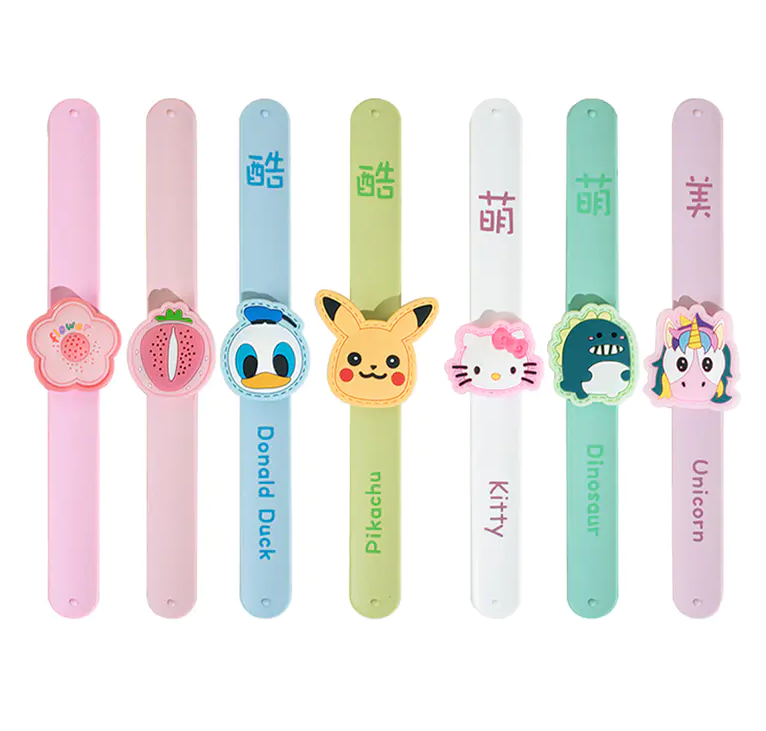
Behind a surprising number of everyday products — kitchen utensils, medical devices, automotive seals, wearable gadgets — there's a partnership that most consumers never think about. A brand designs what they want. An OEM silicone manufacturer figures out how to make it real, at scale, in a material that behaves reliably across wildly different conditions. That relationship is quieter than it sounds, and considerably more technical.
OEM stands for original equipment manufacturer, which in the silicone context means a factory that produces custom silicone components to a client's specifications rather than selling finished goods under its own brand. The OEM silicone manufacturer takes a drawing, a sample, or a brief and translates it into a manufacturable part — designing the compression mold or liquid injection mold, selecting the appropriate silicone compound, running process validation, and delivering parts that consistently meet agreed tolerances. The client's brand appears on the finished product. The manufacturer's name rarely does.
Silicone rubber is the material of choice for this kind of contract work for several practical reasons. It tolerates temperatures from roughly -60°C to 230°C without losing structural integrity, resists UV degradation, and remains flexible across a wide hardness range measured in Shore A durometer values. These properties make it useful across sectors that would otherwise have little in common — food-grade kitchenware, implantable-grade medical tubing, and high-voltage electrical insulation all rely on silicone formulations tailored to their specific demands.
A capable OEM silicone manufacturer works across multiple molding processes. Compression molding suits simpler geometries and lower volumes. Transfer molding offers tighter dimensional control for more complex parts. Liquid silicone rubber injection molding, often abbreviated LSR, handles intricate designs with thin walls and tight tolerances at higher production volumes, using automated presses that reduce human handling and the contamination risk that comes with it.
Working with the right OEM silicone manufacturer early in a product's development cycle — before tooling is cut and before design decisions become expensive to reverse — gives brands a meaningful advantage. The manufacturing knowledge flows upstream, and the finished parts are better for it.
- Ask Nguza
- Food and Recipes
- Lifestyle
- Parenting
- Education
- Career & Business
- Sports
- Entertainment
- Marketing & Blogging
- Travel
- Confessions / Anonymous Talk
- Local News & Gossip
- Memes & Fun
- Art
- Hot Topics / Trending
- Causes
- Crafts
- Dance
- Drinks
- Film
- Fitness
- Food
- Jocuri
- Gardening
- Health
- Home
- Literature
- Music
- Networking
- Alte
- Party
- Religion
- Shopping
- Sports
- Theater
- Wellness
- Personal Development
- Technology
- Finance
 Romaian
 English
 Arabic
 French
 Spanish
 Portuguese
 Deutsch
 Turkish
 Dutch
Dutch
 Italiano
 Russian
 Portuguese (Brazil)
 Greek
Greek
