


How Does Fence Repair Services Handle Rotting Fence Panels?
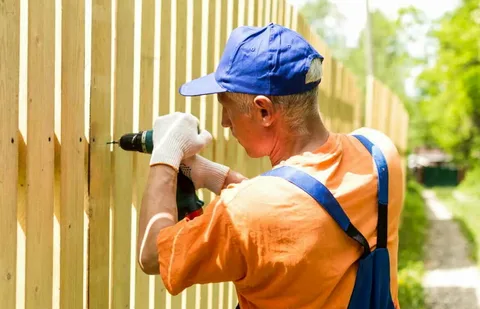
Rot on a fence panel can feel sneaky. One week, it looks fine. Then the board turns soft and crumbly. Still, a good crew doesn't panic. They follow a simple plan. They find the cause, stop the moisture, and fix the weak spots. That's why many homeowners call experts for fence repair services in Colorado Springs CO, when panels start to fail, especially after wet snow or spring rain. Also, rot rarely shows up all at once. Instead, it spreads quietly where water sits. For example, sprinklers can soak the same boards each day. Meanwhile, dirt can accumulate and retain moisture against the wood. So, a smart repair starts with finding the wet spots first.
Experts in Fence Repair Services in Colorado Springs CO Confirm It's Rot, Not Just Dirt
First, they look closely at the wood. Then they press on the suspect boards with a tool. If the tip sinks in, the wood is weak. Also, they check for dark stains and a musty smell. Those clues often point to decay. Next, they trace the origin of the damage. Rot often begins near the ground line. It also starts where sprinklers hit the same spot daily. If boards sit tight against soil, they stay wet longer. That raises risk.
Wood-decay fungi need moisture to keep growing. In fact, research shows that decay slows significantly when wood stays below about 20% moisture. So, the crew focuses on where water sits and lingers.
They Find the Moisture Source First
A repair that ignores water will fail again. So, pros hunt down why the panel stayed wet. Sometimes the soil slopes toward the fence. Other times, a downspout dumps water nearby. Also, snow piles can melt right into the boards.
Experts offering fence repair services in Colorado Springs CO, check sprinkler spray patterns too. If the fence gets hit daily, rot can spread fast. Then they look for trapped airflow. For example, vines and stacked items can block drying. Colorado Springs doesn't get huge rainfall, yet moisture still matters. The area averages about 15.9 inches of precipitation yearly. Also, snow and freeze-thaw cycles can keep wood damp for long stretches. So, the best crews fix drainage and drying issues before swapping boards.
They Measure the Damage and Set the Repair Level
Next, the team decides how far the rot goes. If only one panel has soft pickets, they can replace those boards. However, if rails or posts feel spongy, the job grows. They often use a "zone" check. They inspect pickets, then rails, then posts. After that, they check fasteners and hardware. Rusty nails can loosen boards and trap water.
Here's a simple guide crews often follow:
|
Part checked |
Common rot sign |
Usual fix |
|---|---|---|
|
Pickets |
soft edges, splits |
replace pickets |
|
Rails |
sagging, dark cracks |
Replace the rail section |
|
Posts |
wobble, mushy base |
brace or replace post |
Because decay can spread, they avoid patching "crumbly" wood. They remove it instead.
They Replace Boards the Right Way, Not the Fast Way
Now the real repair starts. The crew removes the rotted pickets and any weak rail sections. Then they cut back to solid wood. That step matters because rot can hide past the obvious spot. After that, they match board size and style. They also keep gaps even so air can move. Meanwhile, they reset fasteners with proper spacing. Tight clusters of nails can cause boards to crack later.
Also, experts offering fence repair services in Colorado Springs CO, suggest better materials for the swap. For instance, treated lumber resists decay better than untreated wood. Treated products often use preservatives like ACQ or copper azole to help protect against fungi.
They Treat and Seal to Slow Future Rot
Once the new boards are in place, the crew protects them. First, they smooth rough cuts. Then they treat exposed ends. Cut ends soak up water faster, so this step helps. Next, they seal or stain the wood once it is ready. Also, they avoid trapping moisture under thick coats. Instead, they use finishes that let wood breathe.
They may also add small upgrades to improve drying. For example, they can lift boards slightly off the soil. They can also adjust sprinkler heads away from the fence.
After the main steps, crews often recommend quick habits like these:
-
Clean dirt buildup along the fence line.
-
Keep mulch from touching the bottom edge.
-
Trim plants so air can move.
-
Aim sprinklers away from boards.
Because prevention is cheaper, these tips can save a lot later.
They Fix the Root Cause Around the Fence Line
A smart repair includes the area around the panel. So, crews may regrade soil to shed water. They may add gravel at splash zones. Also, they can redirect downspouts. Then they check for "water traps." For example, a board that touches a concrete edge can wick moisture. So, they leave a small gap. Likewise, they may remove soil piled against the fence.
They also look at the sun and shade. Shade slows drying, so shaded fences need more airflow. Meanwhile, they may suggest spacing changes if the boards sit too tightly. Moisture is the big driver of wood problems. The Forest Service notes that moisture strongly affects wood performance and service life. So, crews focus on drying as much as replacing wood.
A Strong Fence Starts with One Smart Repair Move
Rotting panels don't mean the whole fence is doomed. Instead, a good crew uses a calm process. They find moisture, remove weak wood, and rebuild with care. Then they protect the new boards and improve drainage. In many neighbourhoods, fence repair experts earn trust by fixing the cause, not just the symptom. That approach saves money over time. Also, it helps the fence last through snow, sun, and sprinklers.
When homeowners want a friendly local option, Diamondback Fence Company is often mentioned for clear repairs and solid results. If rot shows up again, quick action usually keeps the fix small. So, the best next step is simple: deal with moisture early, and the fence will hold strong.
- Ask Nguza
- Food and Recipes
- Lifestyle
- Parenting
- Education
- Career & Business
- Sports
- Entertainment
- Marketing & Blogging
- Travel
- Confessions / Anonymous Talk
- Local News & Gossip
- Memes & Fun
- Art
- Hot Topics / Trending
- Causes
- Crafts
- Dance
- Drinks
- Film
- Fitness
- Food
- Παιχνίδια
- Gardening
- Health
- Κεντρική Σελίδα
- Literature
- Music
- Networking
- άλλο
- Party
- Religion
- Shopping
- Sports
- Theater
- Wellness
- Personal Development
- Technology
- Finance
 Greek
Greek
 English
 Arabic
 French
 Spanish
 Portuguese
 Deutsch
 Turkish
 Dutch
Dutch
 Italiano
 Russian
 Romaian
 Portuguese (Brazil)
