


The Importance of Calibrating Price Computing Scales
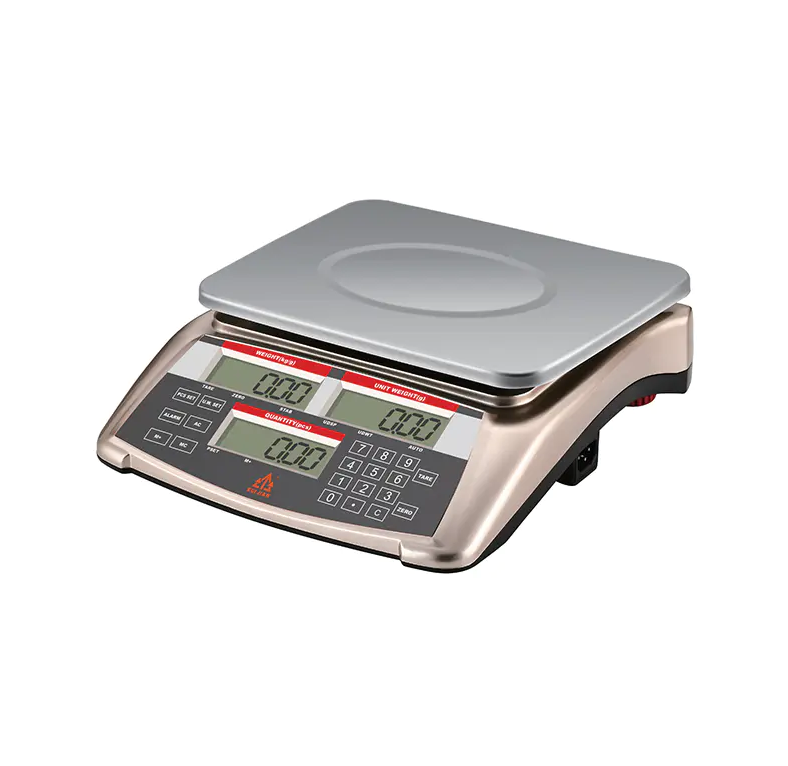
Do Price Computing Scales Need Regular Calibration?
Price computing scales are essential tools in retail environments, where they help businesses calculate the cost of items based on their weight and unit price. These devices combine precision weighing with pricing functionality, making them invaluable for both customers and sellers. However, to maintain their accuracy and ensure reliable operation, it's important to understand whether these scales need regular calibration.
Understanding Calibration and Its Importance
Calibration is the process of adjusting a scale to ensure its readings are accurate and in line with a known standard. Over time, price computing scales can experience small shifts in their accuracy due to factors like wear and tear, environmental changes, or even mishandling. Regular calibration ensures that the scale continues to provide precise measurements, which is critical for pricing, customer trust, and compliance with regulatory standards. For instance, if a scale’s accuracy drifts, a customer may be charged incorrectly, which could damage a business’s reputation.
When Should Calibration Be Done?
The frequency of calibration depends on several factors, including the volume of use, the environment in which the scale operates, and manufacturer recommendations. For example, scales in high-traffic locations or those used frequently may need calibration more often. In contrast, a scale used less often may maintain its accuracy for a longer period before requiring adjustment. Additionally, significant environmental changes such as humidity, temperature fluctuations, or physical shock (like a dropped scale) can prompt the need for recalibration.
How to Perform Calibration
Calibration can often be performed manually or through an automatic process, depending on the model of the price computing scale. Manual calibration typically involves adjusting the scale using known weight standards. In some cases, scales have a built-in function that guides the user through the process. If the scale is part of an integrated point-of-sale system, calibration may be linked to system maintenance, with periodic checks built into the service routine. For businesses, it is important to follow the manufacturer's guidelines and consult professionals for calibration if needed.
Maintaining Accuracy and Reliability
Regular calibration not only helps businesses comply with legal requirements but also ensures customer satisfaction. Inaccurate pricing can lead to disputes and, in extreme cases, legal penalties. Therefore, investing in the maintenance of price computing scales, including regular calibration, is a crucial aspect of running a smooth and trustworthy operation. Additionally, well-calibrated scales can help prevent wastage, reduce customer complaints, and ensure the long-term efficiency of the equipment.
In conclusion, while price computing scales don’t require constant recalibration, regular checks and maintenance are essential to keep them performing optimally. Understanding when and how to calibrate your scale can save you from costly errors and help maintain a high standard of service.
- Ask Nguza
- Food and Recipes
- Lifestyle
- Parenting
- Education
- Career & Business
- Sports
- Entertainment
- Marketing & Blogging
- Travel
- Confessions / Anonymous Talk
- Local News & Gossip
- Memes & Fun
- Art
- Hot Topics / Trending
- Causes
- Crafts
- Dance
- Drinks
- Film
- Fitness
- Food
- Games
- Gardening
- Health
- Home
- Literature
- Music
- Networking
- Other
- Party
- Religion
- Shopping
- Sports
- Theater
- Wellness
- Personal Development
- Technology
- Finance
 English
 Arabic
 French
 Spanish
 Portuguese
 Deutsch
 Turkish
 Dutch
Dutch
 Italiano
 Russian
 Romaian
 Portuguese (Brazil)
 Greek
Greek
