


How to Choose the Right ADA Bathroom Sink for Any Building Type: KingKonree Guide

Compliance with the Americans with Disabilities Act is not simply a box to tick during construction or renovation; it is a commitment to dignity, independence, and equal access for every person who walks through a building's doors. Among the many fixtures that demand careful attention, the bathroom sink often gets overlooked in favor of ramps and door widths, yet it plays a surprisingly significant role in creating a genuinely inclusive restroom. Choosing an ADA-compliant sink is about far more than meeting a measurement checklist—it requires an understanding of how people with varying abilities actually use a washroom. In this guide, we will walk through the practical considerations that help architects, facility managers, and builders select the right sink for hospitals, schools, offices, retail spaces, and public venues alike.
Understanding the Core ADA Requirements for Sinks
Before comparing styles or materials, it helps to grasp what the ADA bathroom sink actually asks of a bathroom sink. The legislation sets clear parameters around height, knee clearance, and reach range, all designed so that a person using a wheelchair can pull up to the basin comfortably and use the faucet without strain. A compliant sink typically sits with its rim no higher than 34 inches from the floor, while the area beneath it must provide enough open space for a wheelchair's front approach. Faucets need to be operable with one hand without tight grasping or twisting, and hot water pipes should be insulated to prevent burns. These baseline rules apply universally, but how they are implemented can vary considerably depending on the building's purpose and the people it serves.
Matching Sink Style to Building Function
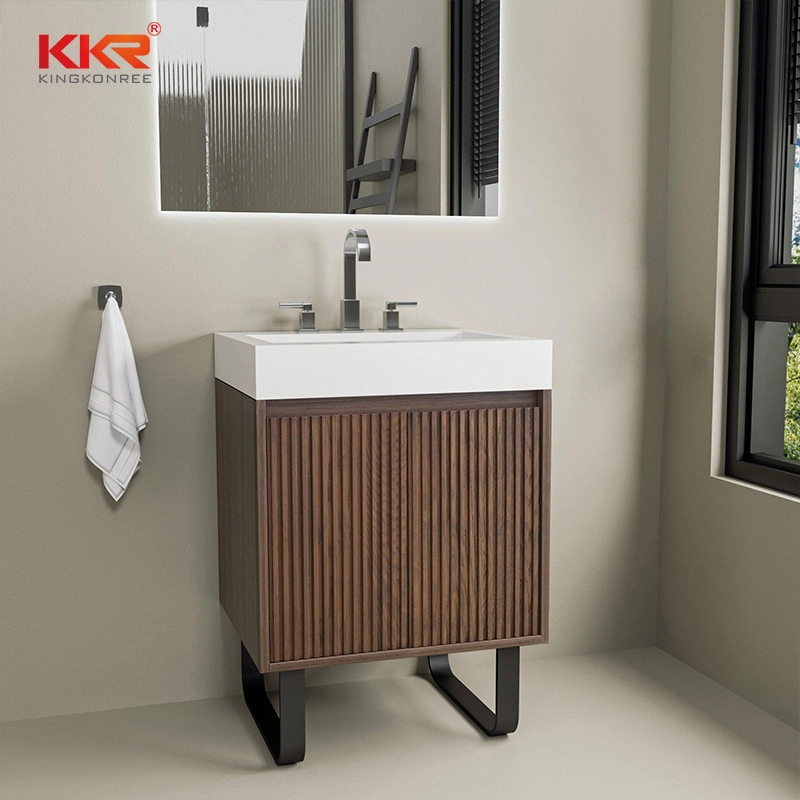
Different buildings attract different users, and the right sink for a busy airport terminal may not suit a quiet medical clinic. Wall-mounted sinks with open space beneath are a strong default choice for public restrooms because they maximize wheelchair access and simplify cleaning, making them popular in schools, stadiums, and transit hubs. In healthcare settings, where hygiene and infection control are paramount, wall-hung models with smooth, seamless surfaces tend to win favor. Offices and commercial buildings often balance compliance with aesthetics, opting for countertop basins with open fronts that preserve a polished look while still meeting access rules. Retail and hospitality venues, meanwhile, may lean toward pedestal-style or shroud-covered sinks to hide plumbing, though these require careful checks to ensure they do not obstruct knee clearance.
Choosing Materials That Withstand Real-World Use
The material of an ADA sink matters as much as its shape, particularly in high-traffic environments where durability and maintenance drive long-term costs. Solid surface materials such as acrylic-modified resin are increasingly favored because they resist scratches, stains, and bacteria while offering a warm, non-porous finish that is easy to sanitize. Vitreous china and porcelain remain classic options with excellent longevity, though they can chip under heavy impact. Stainless steel is the workhorse of commercial and industrial restrooms, prized for its toughness and simple cleaning, while natural stone and composite options lend upscale venues a refined appearance. The key is to weigh traffic volume, cleaning routines, and budget against the material's strengths rather than defaulting to the cheapest choice.
Prioritizing Faucet and Control Accessibility
A perfectly positioned basin means little if the faucet is difficult to operate. ADA guidelines call for controls that can be used with minimal effort—think lever handles, push-button mechanisms, or touchless sensor technology that eliminates contact altogether. Sensor faucets have grown especially popular in public facilities because they reduce germ transfer and water waste, though they must be installed with reliable power sources and regularly maintained to avoid frustrating failures. For users with limited dexterity, long lever handles offer a dependable, low-effort solution. Whatever the choice, controls should be reachable from a seated position and positioned close enough to the basin's edge that users do not have to stretch awkwardly to turn water on or off.
Ensuring Proper Clearance and Insulation
Knee and toe clearance is where many otherwise attractive sink installations fall short of compliance. Designers must account for the pipes and plumbing beneath the basin, enclosing or rearranging them so they do not intrude on the wheelchair user's space. Protective covers on exposed drain pipes and hot water lines are mandatory in most interpretations, shielding users from burns and abrasions. It is also wise to verify that the approach space in front of the sink allows a wheelchair to turn and position itself comfortably, since cramped layouts can undermine an otherwise compliant fixture. These details are easy to miss on a floor plan, so reviewing them during the design phase saves costly retrofits later.
Factoring in Maintenance and Long-Term Durability
Public restrooms endure constant use, and an ADA sink that looks pristine on installation day can quickly show wear if maintenance is neglected. Choosing fixtures with smooth, crevice-free surfaces reduces the accumulation of grime and makes daily cleaning faster. Wall-mounted designs keep the floor clear, easing mopping and reducing hidden dirt traps. Facility managers should also consider the availability of replacement parts, since specialized components can become expensive or hard to source over time. Investing slightly more upfront in robust materials and reputable manufacturers often pays dividends by extending the fixture's lifespan and minimizing disruptive repairs in busy buildings.
Partnering with a Trusted Supplier Like KingKonree
Ultimately, the right ADA bathroom sink emerges from a thoughtful conversation between design intent, building function, and regulatory precision. Working with an experienced supplier can streamline that process considerably, offering guidance on compliance details, material performance, and installation best practices. KingKonree has built its reputation on supplying durable, accessible bathroom solutions tailored to a wide range of commercial and public projects, helping clients navigate the nuances of ADA requirements without sacrificing style or budget. By combining informed product selection with expert support, any building type—from a neighborhood clinic to a sprawling convention center—can offer restrooms that welcome everyone equally.
- Ask Nguza
- Food and Recipes
- Lifestyle
- Parenting
- Education
- Career & Business
- Sports
- Entertainment
- Marketing & Blogging
- Travel
- Confessions / Anonymous Talk
- Local News & Gossip
- Memes & Fun
- Art
- Hot Topics / Trending
- Causes
- Crafts
- Dance
- Drinks
- Film
- Fitness
- Food
- Games
- Gardening
- Health
- Home
- Literature
- Music
- Networking
- Other
- Party
- Religion
- Shopping
- Sports
- Theater
- Wellness
- Personal Development
- Technology
- Finance
 English
 Arabic
 French
 Spanish
 Portuguese
 Deutsch
 Turkish
 Dutch
 Italiano
 Russian
 Romaian
 Portuguese (Brazil)
 Greek
