


Severe Acne Causes, Symptoms, and Treatment Options
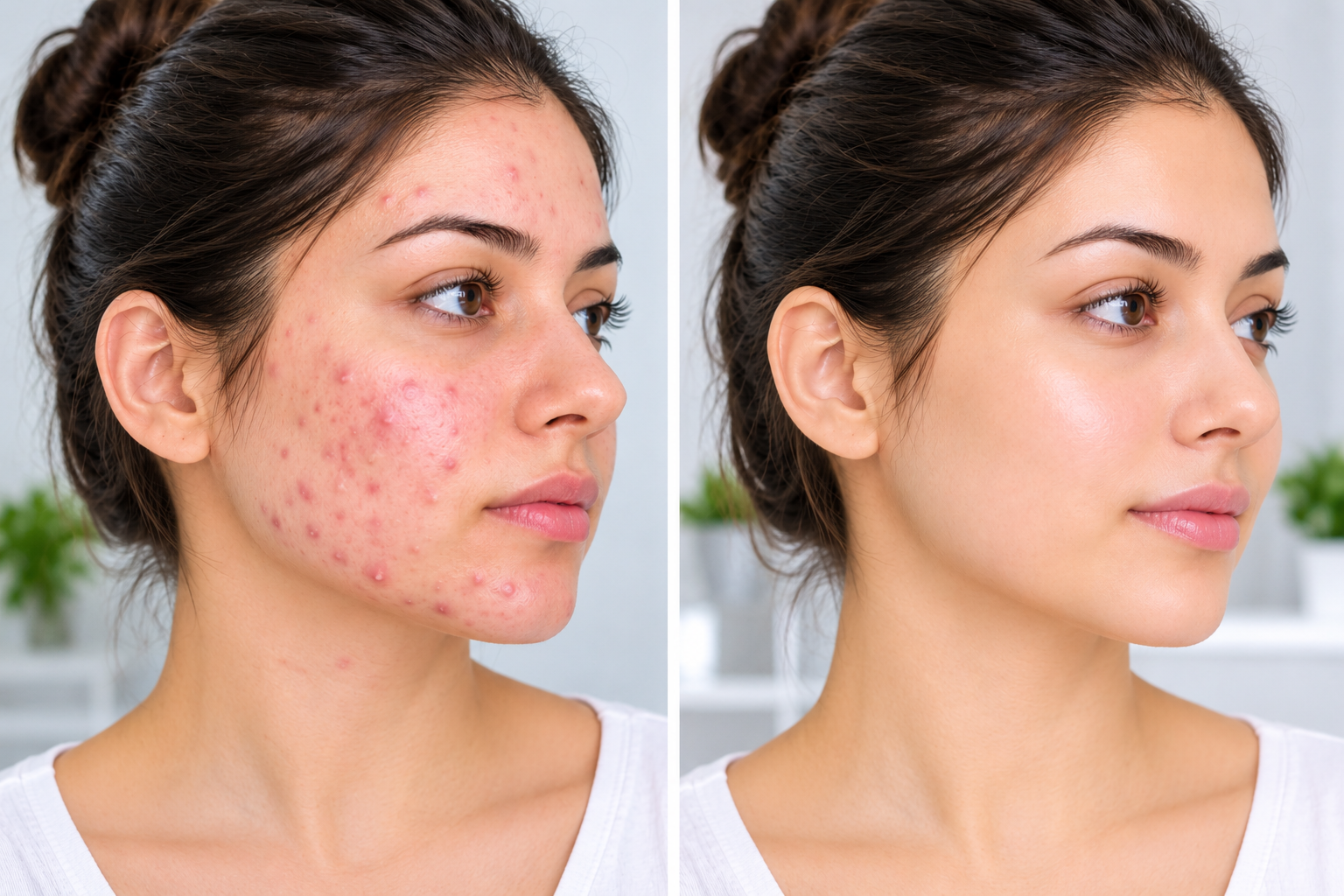
Severe acne is a common skin problem that can cause painful pimples, deep lumps, redness, and swelling. It often affects the face, chest, shoulders, and back. Unlike mild breakouts, severe acne can last for a long time and may leave dark marks or permanent scars. It can also affect confidence and emotional well-being. Understanding the causes, recognizing the symptoms, and choosing the right treatment can help you manage breakouts and protect your skin.
For people researching treatment options, Accufine 5 mg and Accufine 10mg are product names associated with acne care. Before considering either option, confirm the active ingredient and formulation with a qualified healthcare professional. If these products contain isotretinoin, a dermatologist must assess whether this treatment suits your acne, explain possible risks, and determine the appropriate dose. Never start or adjust prescription treatment without medical guidance.
What Causes Severe Acne?
Severe acne develops when hair follicles become blocked with oil and dead skin cells. Bacteria naturally present on the skin can contribute to inflammation inside blocked follicles. This process can lead to painful pimples, deep nodules, and cyst-like lesions.
Several factors can increase the risk of severe acne:
-
Excess oil production: The skin produces sebum to maintain moisture, but too much oil can contribute to blocked pores.
-
Hormonal changes: Hormone changes during puberty and adulthood can increase oil production and trigger breakouts.
-
Family history: People with close family members who experienced severe acne may have a higher risk.
-
Inflammation: The body's response to blocked follicles can cause redness, swelling, and tenderness.
-
Stress: Stress may worsen existing acne in some people.
-
Unsuitable skincare: Heavy products and harsh cleansing habits may irritate the skin or contribute to clogged pores.
Understanding these factors helps you make better skincare choices. However, severe acne often requires professional treatment rather than lifestyle changes alone.
Common Symptoms of Severe Acne
Severe acne can appear in different forms. Some people experience a mixture of inflamed pimples, blocked pores, and deep lumps.
Common symptoms include:
-
Large, red, and painful pimples.
-
Deep lumps beneath the skin.
-
Pus-filled spots and swollen areas.
-
Tenderness around affected follicles.
-
Persistent breakouts on the face, chest, shoulders, or back.
-
Dark marks after pimples heal.
-
Scars, including raised or indented areas.
-
Skin discomfort that affects daily activities and confidence.
Severe acne may take longer to improve than mild acne. Avoid squeezing or picking spots because this can increase inflammation and raise the risk of scarring.
Treatment Options for Severe Acne
The right treatment depends on the type of acne, its severity, your skin condition, and your medical history. A dermatologist can examine your skin and recommend a suitable plan.
1. Professional Skin Assessment
Start by speaking with a qualified healthcare professional if you have deep, painful breakouts or acne that keeps returning. A dermatologist can determine whether you have severe acne or another skin condition that needs different care.
Early assessment can help you receive suitable treatment and lower the risk of lasting scars. Tell your clinician how long you have experienced acne and whether it affects your face, chest, or back.
2. Prescription Treatment
Some people with severe acne may need prescription treatment when gentle skincare does not provide enough improvement. Accufine 5 mg and Accufine 10mg are product names that readers may encounter while researching acne treatment.
If the confirmed active ingredient is isotretinoin, a dermatologist may consider it for certain cases of severe acne. This treatment reduces oil production and can help control the processes that contribute to acne. However, it requires careful medical supervision because it can cause significant side effects.
The strength printed on a product does not determine the correct dose for everyone. Your healthcare professional must assess your individual needs and explain the proper use, monitoring, and precautions. Do not use these products based only on online information.
3. Gentle Daily Skincare
A simple skincare routine can help reduce irritation while you follow your treatment plan.
-
Wash your face twice daily with a gentle cleanser.
-
Use lukewarm water instead of very hot water.
-
Apply a lightweight, non-comedogenic moisturiser.
-
Avoid rough scrubs and vigorous rubbing.
-
Remove makeup before going to sleep.
-
Clean your skin gently after sweating.
-
Avoid squeezing pimples or picking at scabs.
Choose products that suit your skin and introduce new items gradually. If a product causes burning, significant redness, or irritation, stop using it and seek advice when needed.
4. Sun Protection and Scar Prevention
Sun exposure can make dark marks after acne more noticeable. Apply broad-spectrum sunscreen with SPF 30 or higher and choose a non-comedogenic formula when possible.
Wear protective clothing and avoid excessive sun exposure. Do not use aggressive exfoliation or attempt to remove acne scars with harsh home treatments. A dermatologist can advise you on suitable options after controlling active acne.
Safety Precautions During Acne Treatment
Prescription treatment requires careful attention to possible side effects. If your product contains isotretinoin, follow your clinician's instructions and attend all recommended appointments.
Keep these precautions in mind:
-
Attend recommended check-ups and any required laboratory tests.
-
Report severe headaches, vision changes, significant mood changes, or other concerning symptoms promptly.
-
Ask your healthcare professional before taking vitamin A supplements.
-
Discuss your medical history and all products or supplements you use.
-
Follow the prescribed instructions rather than changing your dose yourself.
-
Do not use isotretinoin during pregnancy because it can cause severe birth defects. Anyone who could become pregnant must follow the required pregnancy-prevention measures and testing.
Never share prescription acne treatment with another person.
Daily Habits That Support Skin Health
Healthy habits can support your skincare routine, although they may not clear severe acne on their own.
Eat balanced meals that include vegetables, fruit, whole grains, and protein. Drink enough water and maintain a regular sleep schedule. Notice whether specific habits appear to worsen your breakouts, but avoid restrictive diets without professional advice.
Manage stress through gentle exercise, walking, or relaxation activities. Keep towels and pillowcases clean, and avoid touching your face unnecessarily. Give your treatment plan time to work, and follow your clinician's advice about progress.
Severe Acne Care in the UK and Australia
In the UK, you can contact your GP if acne causes pain, scarring, or ongoing distress. Your GP can assess your skin and advise whether specialist care is needed.
In Australia, a GP or dermatologist can help identify the severity of acne and discuss suitable treatment options. Prescription requirements and monitoring procedures can vary between countries, so check local guidance before using prescription products.
BuyRxSafe encourages readers to review product information carefully and seek qualified medical advice before considering prescription acne treatment. Online information can support your research, but it cannot replace an individual medical assessment.
When Should You Seek Medical Advice?
Consult a dermatologist if you develop deep, painful lumps, widespread inflammation, repeated breakouts, or signs of scarring. Seek help if acne affects your confidence or emotional health.
Prompt assessment can help identify the right treatment and prevent further skin damage. Do not delay care when symptoms become severe or continue to worsen.
Conclusion
Severe acne can cause pain, redness, swelling, and lasting scars, but appropriate care can help control symptoms and protect your skin. Understanding the causes, following gentle skincare habits, and seeking professional guidance are important steps towards improvement.
Accufine 5 mg and Accufine 10mg should only be considered after a healthcare professional verifies their active ingredients and confirms whether they are appropriate for you. With a personalised treatment plan and consistent care, you can work towards healthier skin and better long-term acne management.
- Ask Nguza
- Food and Recipes
- Lifestyle
- Parenting
- Education
- Career & Business
- Sports
- Entertainment
- Marketing & Blogging
- Travel
- Confessions / Anonymous Talk
- Local News & Gossip
- Memes & Fun
- Art
- Hot Topics / Trending
- Causes
- Crafts
- Dance
- Drinks
- Film
- Fitness
- Food
- Jeux
- Gardening
- Health
- Domicile
- Literature
- Music
- Networking
- Autre
- Party
- Religion
- Shopping
- Sports
- Theater
- Wellness
- Personal Development
- Technology
- Finance
 French
 English
 Arabic
 Spanish
 Portuguese
 Deutsch
 Turkish
 Dutch
 Italiano
 Russian
 Romaian
 Portuguese (Brazil)
 Greek
