


Safe and Effective Approaches to Bee and Rodent Removal
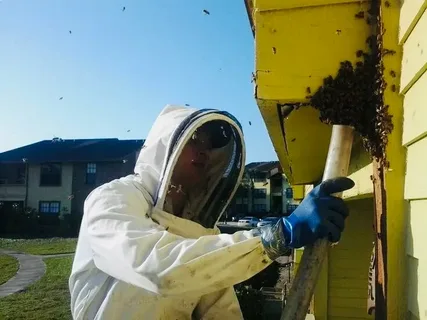
Unwanted wildlife and pest activity can quickly become a concern for homeowners and business operators. A bee colony near an entrance may create safety concerns for people passing through the area, while rodents inside a building can damage stored belongings, contaminate surfaces, and create unsanitary conditions. Understanding the source of the problem is an important first step toward choosing an appropriate solution.
When bees settle in an inconvenient location, Bee Removal Riverside CA may involve identifying the insect, locating the colony, and determining the safest way to address it. Since bees contribute to pollination, removal decisions should consider both human safety and the importance of protecting beneficial insects whenever practical.
Recognizing When Bee Removal May Be Necessary
Bees commonly visit gardens, flowering plants, and outdoor landscaping in search of nectar and pollen. Their presence alone does not necessarily mean a property has a pest problem. However, a colony located near a doorway, walkway, patio, school entrance, or frequently used outdoor area may require attention.
One sign of a possible colony is repeated bee activity around the same opening in a wall, roofline, shed, or other structure. A growing number of insects entering and leaving one location may indicate a nest nearby. Property owners should observe activity from a safe distance rather than approaching or disturbing the area.
Correct identification is essential because bees, wasps, and hornets differ in behavior and nesting habits. If the insect cannot be identified confidently, a qualified provider can assess the situation and recommend an appropriate response.
Why Professional Assessment Matters for Bee Colonies
Attempting to remove an active colony without suitable knowledge and equipment can result in stings or damage to the building. Spraying an unidentified nest or blocking its entrance may worsen the situation, particularly if insects become trapped inside a wall cavity or find another route into the property.
A careful assessment can help establish the colony's location, the surrounding risks, and whether relocation or another management method is appropriate. Where feasible, working with a qualified bee-removal or live-bee relocation specialist may help preserve beneficial pollinators.
Property owners should keep children, pets, and visitors away from the affected area until the situation has been assessed. Anyone with a known severe allergy to insect stings should take particular care to avoid exposure.
Preventing Bee Problems Around Your Property
Although it is not possible to prevent every bee encounter, maintaining outdoor spaces can help property owners identify potential concerns early. Inspect accessible eaves, sheds, and exterior structures periodically, especially where gaps or sheltered cavities may provide nesting opportunities.
Keep outdoor eating areas clean, cover rubbish containers, and promptly clean sugary spills. During outdoor gatherings, store drinks and food securely. Avoid sealing an opening when bees are actively entering and leaving it, because doing so without a suitable plan may trap insects or redirect their movement.
If a colony appears in a frequently used area, seek an assessment rather than attempting a do-it-yourself removal. Early attention can help prevent a manageable situation from becoming more disruptive.
Understanding the Risks of Rodent Infestations
Rodents can enter homes and commercial buildings in search of food, water, and shelter. They may hide in attics, garages, crawl spaces, kitchens, storage rooms, and areas behind appliances. Because they are often active when people are not nearby, the first signs may be droppings, scratching sounds, damaged packaging, or gnaw marks.
Rodents can damage insulation, chew through certain building materials, and contaminate food or surfaces. Gnawing on electrical wiring can also create a potential fire hazard. These risks make it important to investigate recurring signs rather than relying solely on traps or cleaning.
Identifying the affected areas can help determine whether rodents are entering from outdoors, nesting within the building, or accessing food and storage spaces.
Steps That Help Reduce Rodent Activity
Good sanitation and exclusion practices are central to rodent prevention. Store food in sealed containers, remove rubbish regularly, and avoid leaving pet food outside overnight. Repair leaking pipes and clear clutter from storage spaces so that potential nesting areas are easier to inspect.
Check around doors, vents, pipes, foundations, and utility openings for gaps. Seal suitable entry points using materials designed to resist gnawing, and repair damaged door sweeps or screens. Keep outdoor vegetation and stored materials from accumulating directly against exterior walls where possible.
These steps reduce common attractants, but a significant or recurring infestation may require additional measures. If rodents continue to appear after basic prevention, a qualified pest-management provider can help locate less obvious entry points and recommend a suitable plan.
Choosing an Appropriate Rodent Removal Method
The right approach depends on the rodent species, the extent of the activity, and the building's layout. An inspection may identify nesting locations, travel routes, food sources, and structural openings that need attention. Treatment may then combine trapping, exclusion, sanitation improvements, and follow-up monitoring.
For property owners considering Rodent Removal Riverside CA, it is helpful to ask a provider how the infestation will be assessed, what methods may be used, and how future entry will be prevented. Ask about precautions for children and pets, safe handling of trapped rodents, and whether follow-up visits are recommended.
Rodent droppings should be handled carefully. Avoid sweeping or vacuuming them while dry, as contaminated particles can become airborne. Follow public health guidance for cleanup, and seek professional assistance if contamination is extensive or located in difficult-to-access spaces.
Maintaining a Cleaner, Safer Property in Riverside
Riverside properties may include landscaped yards, garages, sheds, roof spaces, and outdoor storage areas that require regular maintenance. Checking these spaces periodically can help identify damaged screens, structural gaps, unusual insect activity, or early signs of rodents before the problem becomes more difficult to manage.
When selecting a service provider, look for clear explanations, relevant qualifications, and a plan tailored to the specific pest. Ask what the service includes, which preventive steps are recommended, and whether follow-up monitoring is available.
Whether dealing with a bee colony near a busy entrance or rodents inside a storage area, a measured approach can protect people while addressing the source of the problem. Contact a qualified local pest-management provider in Riverside, CA, to discuss the activity you have noticed and the options suitable for your property.
- Ask Nguza
- Food and Recipes
- Lifestyle
- Parenting
- Education
- Career & Business
- Sports
- Entertainment
- Marketing & Blogging
- Travel
- Confessions / Anonymous Talk
- Local News & Gossip
- Memes & Fun
- Art
- Hot Topics / Trending
- Causes
- Crafts
- Dance
- Drinks
- Film
- Fitness
- Food
- Oyunlar
- Gardening
- Health
- Home
- Literature
- Music
- Networking
- Other
- Party
- Religion
- Shopping
- Sports
- Theater
- Wellness
- Personal Development
- Technology
- Finance
 Turkish
 English
 Arabic
 French
 Spanish
 Portuguese
 Deutsch
 Dutch
 Italiano
 Russian
 Romaian
 Portuguese (Brazil)
 Greek
