


Advanced Steam Turbine Island Design for Power Plant Development
Establishing the Right Engineering Foundation
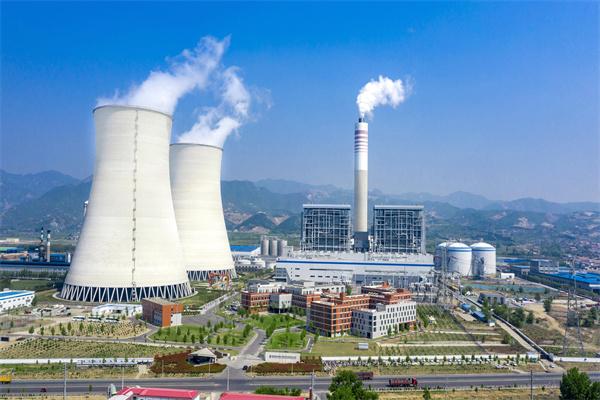
Large power generation projects require equipment that works together reliably under defined operating conditions. Industrial steam turbine island design for large power plants involves planning the turbine, generator, condenser, piping, and auxiliary systems as a coordinated unit. Engineers begin by reviewing the required electrical output, available steam conditions, site dimensions, and plant operating objectives. These details guide decisions about equipment capacity, component placement, and connections with the wider facility.
Understanding the Main Equipment
The steam turbine converts energy from expanding steam into rotational movement. This movement drives a generator, which transforms mechanical power into electricity. A condenser collects exhaust steam and supports its return to the water cycle, while pumps, valves, and piping control the movement of fluids throughout the system.
Each component must match the project's operating requirements. Engineers consider equipment specifications, flow rates, pressure conditions, and control arrangements to create a balanced installation that supports dependable power generation.
Selecting the Appropriate Configuration
Turbine configuration depends on the plant's steam supply, output targets, and operating schedule. Engineers assess these factors alongside generator requirements and the intended role of the facility within the power network. Careful equipment selection helps establish a system suited to the project's technical objectives.
Planning the Equipment Layout
A practical turbine island layout provides suitable space for machinery, foundations, pipework, electrical connections, and maintenance activities. Engineers review access routes and equipment clearances during the design stage so installation and routine servicing can follow an organized plan.
Coordination between civil, mechanical, and electrical engineering teams also helps align the different parts of the project. When the layout and interfaces are considered together, construction teams can work from consistent technical drawings and installation requirements.
Understanding Thermal Performance
The amount of electricity produced from steam depends on several connected operating factors. Turbine performance, steam pressure, steam temperature, condenser conditions, and auxiliary power use all influence the overall generation cycle. Engineers study these relationships to determine suitable design parameters and establish performance targets for the plant.
This assessment provides a basis for selecting equipment and evaluating how the complete system uses available thermal energy.
Improving Efficiency Through System Coordination
Steam turbine island thermal efficiency solutions emphasize the relationship between turbine operation and supporting equipment. Appropriate turbine sizing, effective steam flow management, suitable condenser arrangements, and coordinated auxiliary systems can help improve energy utilization. Reviewing operating data also allows plant teams to identify performance patterns and adjust equipment settings according to actual operating conditions.
The Role of Instrumentation
Instrumentation provides information about pressure, temperature, turbine speed, vibration, and other important operating parameters. Control systems bring these measurements together to support monitoring and coordinated operation. Regular performance reviews help operators understand equipment behavior and plan maintenance activities around the facility's operating schedule.
Monitoring also creates a useful record for comparing actual performance with the original engineering targets.
Connecting the Turbine Island to Other Plant Systems
The turbine island must connect effectively with the steam source, cooling water network, condensate return, electrical distribution, and plant controls. Engineers define these interfaces during design to ensure that equipment and supporting systems work according to the project's technical specifications.
Clear documentation supports equipment installation, commissioning, testing, and operator training. It also helps maintenance teams understand how individual components relate to the complete generation process.
Preparing for Future Capacity Requirements
Electricity demand and plant operating objectives may change over time. Expansion planning starts with an assessment of existing turbine capacity, available site space, steam supply, cooling systems, and electrical infrastructure. These details help engineers determine how additional equipment can be incorporated into the facility.
Planning ahead also helps coordinate construction activities with the plant's operating requirements and long-term development goals.
Integrating Turbines Into an Expanded Power Plant
Power plant extension steam turbine integration requires a coordinated assessment of existing equipment and proposed additions. Engineers review steam conditions, turbine capacity, condenser requirements, piping routes, and generator connections before confirming the integration plan. This preparation supports organized installation and commissioning while helping the expanded facility operate as a connected power generation system.
Frequently Asked Questions
What is a steam turbine island?
It is a group of connected power generation components centered on a steam turbine and generator, with condensers, piping, pumps, valves, and auxiliary equipment.
Which factors influence turbine island performance?
Steam conditions, turbine configuration, condenser operation, equipment sizing, and auxiliary power requirements all contribute to overall performance.
Why is equipment layout important?
A well-planned layout supports efficient installation, clear equipment connections, accessible maintenance areas, and coordination with other plant systems.
Can turbine island engineering support plant expansion?
Yes. Engineers can assess existing infrastructure and plan new turbine equipment around steam supply, cooling capacity, electrical connections, and generating requirements.
Conclusion
Steam turbine island design brings together mechanical engineering, electrical systems, thermal performance, and plant planning. Careful coordination helps create an installation that meets its generating objectives while supporting convenient maintenance and future development. By evaluating equipment requirements and system interfaces throughout the design process, power plant developers can establish a dependable foundation for long-term electricity production.
- Ask Nguza
- Food and Recipes
- Lifestyle
- Parenting
- Education
- Career & Business
- Sports
- Entertainment
- Marketing & Blogging
- Travel
- Confessions / Anonymous Talk
- Local News & Gossip
- Memes & Fun
- Art
- Hot Topics / Trending
- Causes
- Crafts
- Dance
- Drinks
- Film
- Fitness
- Food
- Παιχνίδια
- Gardening
- Health
- Κεντρική Σελίδα
- Literature
- Music
- Networking
- άλλο
- Party
- Religion
- Shopping
- Sports
- Theater
- Wellness
- Personal Development
- Technology
- Finance
 Greek
 English
 Arabic
 French
 Spanish
 Portuguese
 Deutsch
 Turkish
 Dutch
 Italiano
 Russian
 Romaian
 Portuguese (Brazil)
