


The Hidden Factors That Affect the Cost of Watching TV at Home
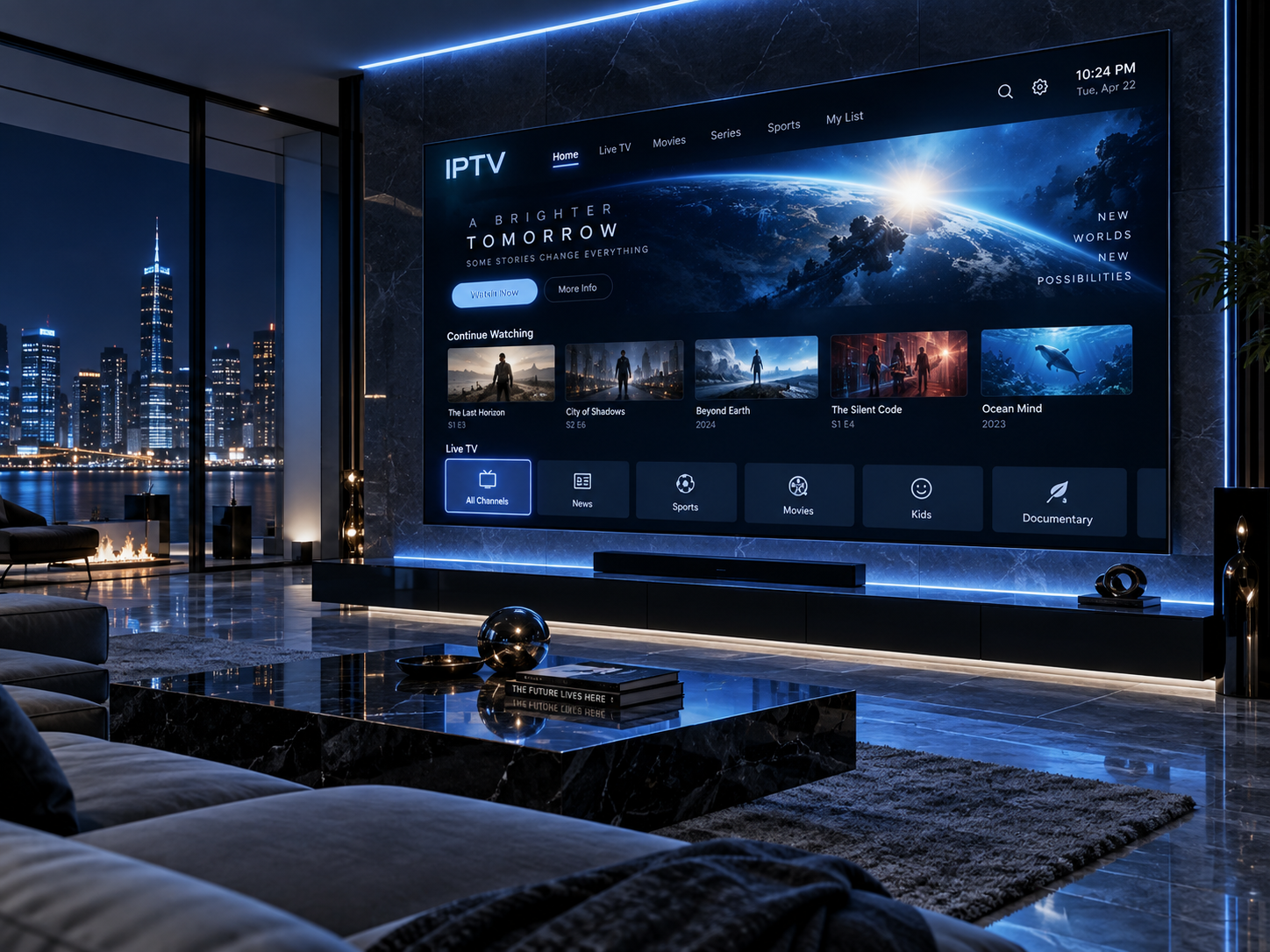
Watching television at home may seem like a simple expense, especially when a household already owns a television and pays for an internet connection. However, the total cost of home entertainment often involves more than a monthly subscription. Internet usage, additional devices, premium features, electricity consumption, and everyday viewing habits can all influence how much a household spends over time.
These expenses are not always obvious when people compare television services. A plan with a low monthly price may require additional equipment or separate subscriptions to access preferred content. Another option may appear more expensive at first but include features that reduce the need for other services.
Understanding these hidden factors helps households make informed decisions, avoid unnecessary spending, and choose an entertainment setup that suits their budget.
1. Monthly Subscriptions Are Only Part of the Total Cost
When evaluating home TV costs, the first expense most people consider is the monthly television subscription. Traditional cable packages, satellite services, and internet-based television options can all have different pricing structures. Some charge a fixed monthly fee, while others offer several packages with different channel selections and features.
The challenge is that the advertised price does not always represent the full amount a household will pay. Installation charges, equipment rental, activation fees, or premium channel add-ons may increase the final bill. Introductory discounts can also make a service appear cheaper during the first few months than it will be later.
Before choosing a package, review the full pricing terms. Check whether the price is promotional, whether the subscription renews automatically, and whether additional fees apply. Comparing the total cost over six or twelve months provides a more realistic picture than comparing monthly prices alone.
2. Internet Speed and Data Usage Can Increase Expenses
Internet connectivity plays an important role in modern television viewing. Households that use streaming platforms or internet-based television depend on a stable connection to deliver video smoothly. The required internet speed depends on picture quality, the number of connected devices, and whether several people watch content at the same time.
For example, a household that regularly streams high-definition or 4K video on multiple screens may need a faster broadband package than one that mainly watches standard-definition content on a single television. If the existing connection struggles during busy periods, upgrading the internet plan may become an additional expense.
It is also worth checking whether the broadband package has a data allowance. Although many home internet plans offer unlimited data, some providers impose usage limits or charge extra when customers exceed them. Heavy streaming can make those restrictions more noticeable.
When comparing television services, consider the internet package and television service together rather than treating them as completely separate expenses. A suitable connection can help prevent buffering and reduce the need to pay for unnecessary upgrades. However, the best option is not automatically the fastest plan. It is the one that comfortably supports the household's actual viewing habits.
3. Multiple Streaming Subscriptions Can Add Up
The growing number of entertainment platforms gives viewers more choice, but it can also make household spending harder to manage. One service might provide films, another might focus on original series, and a third might offer live sports or specialist programming.
Individually, these subscriptions may seem affordable. Together, however, their monthly charges can become a significant expense, particularly when several members of a household maintain separate accounts or subscribe to services with overlapping content.
The problem often develops gradually. Someone signs up to watch a particular series, keeps the subscription after finishing it, and later adds another platform for different programming. Over time, the household may pay for services it rarely uses.
A practical solution is to review subscriptions every few months. Identify which platforms are used regularly and which have become unnecessary. Rotating subscriptions according to current viewing interests can also help control spending without eliminating access to entertainment altogether.
4. Television Equipment and Accessories Have Long-Term Costs
The television itself is only one part of a home entertainment setup. Depending on the service, viewers may need a streaming stick, set-top box, compatible remote control, network adapter, or other accessories. Some providers include equipment in their packages, while others charge a separate purchase or rental fee.
Compatibility also matters. An older television may not support a particular application, requiring an external streaming device or, eventually, a replacement television. These purchases can make an inexpensive service more costly in the long run.
Equipment also has a useful lifespan. Remote controls can break, cables may need replacing, and older devices can become slower or lose support for newer applications. Although these expenses do not occur every month, they should be considered when planning a household entertainment budget.
Before buying anything new, check which devices are already available and whether they support the intended service. Reusing compatible equipment is often a straightforward way to avoid unnecessary purchases.
5. Picture Quality Can Affect the Overall Budget
Picture quality is another factor that influences entertainment expenses. Standard-definition, high-definition, and 4K viewing place different demands on internet connections and devices. Higher resolutions can provide more detail, but they may also require compatible hardware and sufficient bandwidth.
Some television services include high-definition channels in their standard packages, while others reserve particular features for more expensive plans. Similarly, a household may purchase a 4K television but discover that its preferred content or subscription does not support that resolution.
This creates a gap between what viewers expect and what their current setup can deliver. They may spend money upgrading a television, broadband connection, or subscription without checking whether all three components work together.
A sensible approach is to match picture quality to actual needs. If most viewing takes place on a smaller screen, the difference between certain resolutions may be less important than it would be on a large television. Checking service requirements before upgrading can prevent spending money on features that provide little practical benefit.
6. Electricity Consumption Is an Often-Overlooked Expense
Television-related electricity use can contribute to household bills, particularly when screens remain switched on for many hours each day. The amount depends on the television's size, technology, energy efficiency, brightness settings, and total operating time.
The television is not the only device consuming electricity. Streaming boxes, sound systems, gaming consoles, and connected accessories may also draw power. Some equipment uses energy while in standby mode, although consumption varies significantly between models.
Households do not need to sacrifice entertainment to manage these expenses. Simple adjustments can make a difference over time. Enabling energy-saving settings, lowering excessive brightness, switching off devices when they are not needed, and choosing efficient equipment can help reduce electricity use.
When replacing an older television, comparing energy information can be useful alongside screen size and picture quality. A device that costs slightly more initially may offer better efficiency during years of regular use.
7. Household Viewing Habits Influence Spending
The way people watch television can be just as important as the service they select. A household that watches live channels for a few hours each evening has different needs from one that streams films, follows live sports, and watches programmes across several rooms.
Family members may also have different preferences. One person might want international channels, another may prefer films, and someone else may mainly watch sports. Meeting every preference through separate subscriptions can increase the overall budget.
Before selecting a service, consider the household's most common viewing activities. Think about how many people watch simultaneously, which devices they use, and which types of content matter most. This makes it easier to identify useful features and avoid paying for options that are rarely needed.
It is also helpful to distinguish between essential features and occasional conveniences. A household may benefit from simultaneous viewing on several devices, for example, while another may rarely need more than one active screen. Choosing based on real usage is usually more cost-effective than paying for the largest available package.
8. Contract Terms and Price Changes Matter Over Time
The cost of television services can change after the initial sign-up period. Some providers use introductory offers, while others adjust prices according to contract terms or package changes. Customers who do not review their agreements may continue paying more than expected.
Cancellation conditions can create additional complications. A service with a low advertised price might require a long commitment, and ending it early could involve a termination fee. Equipment that must be returned may also create extra costs if the return requirements are overlooked.
Read the terms before agreeing to a subscription. Pay attention to renewal dates, notice periods, price-adjustment clauses, and any charges that apply when cancelling. Setting a reminder before a promotional period ends gives you time to reassess the service.
Flexibility can be valuable, particularly for households whose viewing needs change throughout the year. A slightly different pricing structure may be worthwhile if it offers clearer terms and makes it easier to adjust or cancel a service when necessary.
9. How to Build a More Predictable TV Budget
Managing television expenses does not require choosing the cheapest service available. The aim is to understand what the household pays for and make sure the cost reflects the value received.
Start by listing all television-related expenses, including subscriptions, broadband, equipment, accessories, and electricity where practical. Separate recurring payments from occasional purchases so that the total monthly commitment is easier to estimate.
Next, compare services according to the features that matter most. Check channel availability, supported devices, picture quality, simultaneous streams, customer support, and contract conditions. Do not assume that a package with the lowest headline price will have the lowest overall cost.
Finally, review the setup periodically. Household needs change, devices become outdated, and subscription libraries evolve. A service that was useful a year ago may no longer be the best fit today.
Conclusion
The cost of watching television at home depends on more than the price displayed on a subscription page. Internet requirements, multiple streaming platforms, equipment purchases, picture quality, electricity use, viewing habits, and contract conditions all contribute to the final expense.
By considering these factors together, households can make better comparisons and avoid paying for features they do not need. A well-planned entertainment setup should provide reliable access to preferred content while remaining practical and affordable over time. Regular reviews and a clear understanding of total costs can help keep television spending under control without making home entertainment less enjoyable.
- Ask Nguza
- Food and Recipes
- Lifestyle
- Parenting
- Education
- Career & Business
- Sports
- Entertainment
- Marketing & Blogging
- Travel
- Confessions / Anonymous Talk
- Local News & Gossip
- Memes & Fun
- Art
- Hot Topics / Trending
- Causes
- Crafts
- Dance
- Drinks
- Film
- Fitness
- Food
- Juegos
- Gardening
- Health
- Home
- Literature
- Music
- Networking
- Other
- Party
- Religion
- Shopping
- Sports
- Theater
- Wellness
- Personal Development
- Technology
- Finance
 Spanish
 English
 Arabic
 French
 Portuguese
 Deutsch
 Turkish
 Dutch
Dutch
 Italiano
 Russian
 Romaian
 Portuguese (Brazil)
 Greek
Greek
