


Best Time for Friendship Peak Expedition: May vs September
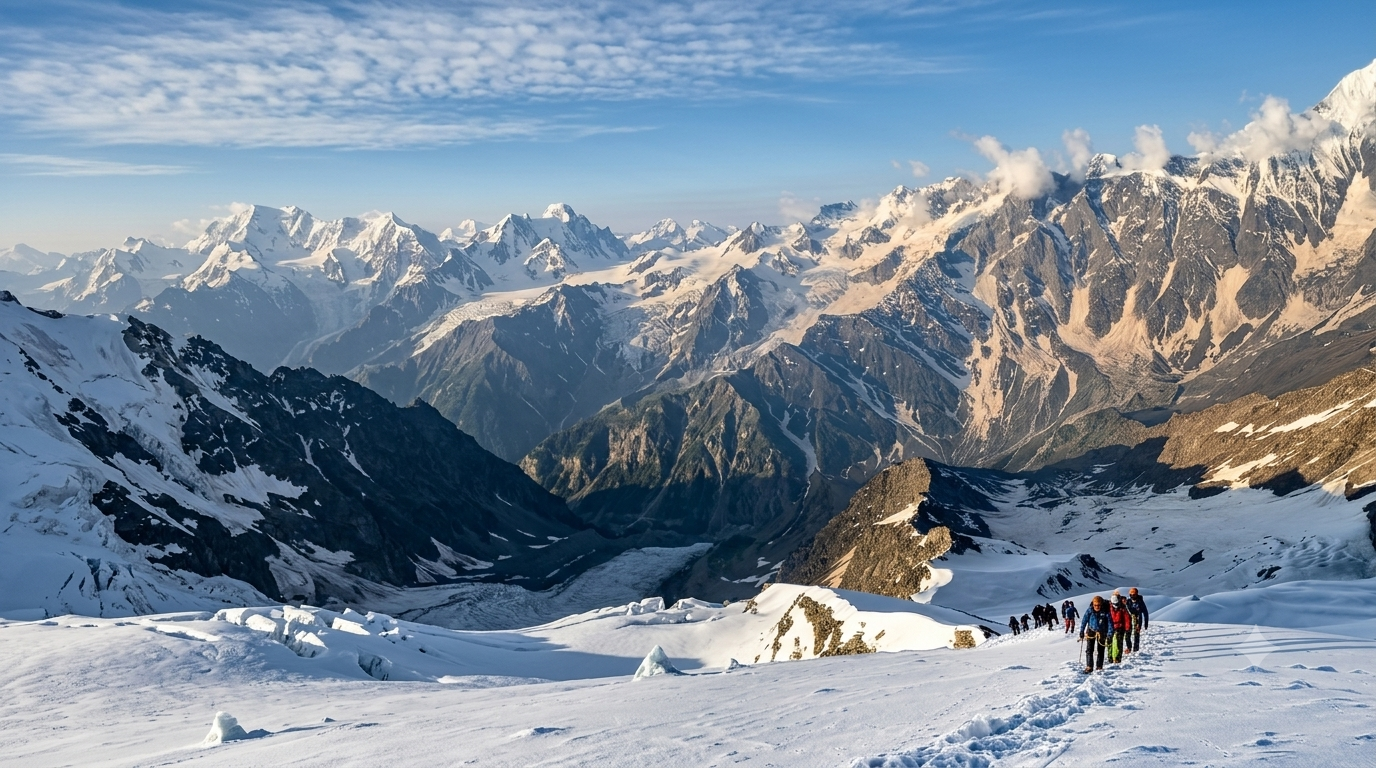
Planning a high-altitude adventure in the Himalayas? Choosing the best time for Friendship Peak expedition can make a significant difference to your climbing experience. Located in the Pir Panjal range near Manali, Himachal Pradesh, Friendship Peak rises to approximately 5,289 metres and offers a challenging combination of snow slopes, glacier terrain, technical climbing and breathtaking Himalayan views.
May and September are two popular windows for planning this expedition, but they offer different mountain conditions. May attracts climbers who want a snow-covered landscape, while September appeals to those looking for crisp mountain views and an autumn atmosphere.
So, which month is right for you? Let's compare weather, snow conditions, scenery, difficulty and preparation to help you plan your Friendship Peak adventure.
Understanding the Friendship Peak Climbing Season
Friendship Peak is not an ordinary Himalayan trek. Reaching the summit requires physical fitness, proper acclimatisation, technical training and suitable mountaineering equipment. Depending on weather and route conditions, climbers may need crampons, an ice axe, a harness and ropes.
The main climbing windows generally fall between May and June and again between September and October. The actual dates depend on snow stability, weather forecasts, route accessibility and the expedition team's assessment.
May and September stand out because they provide two distinctly different experiences. Before selecting your dates, consider what matters most to you: snow-covered slopes, clear mountain views, manageable conditions or a quieter expedition.
Friendship Peak in May: A Snow-Filled Himalayan Adventure
May marks the beginning of the pre-monsoon climbing season. Winter snow remains across many upper sections of the mountain, creating the dramatic white landscape that many climbers imagine when planning a Himalayan expedition.
Weather and Temperature in May
Conditions in May can vary considerably with altitude and weather. Lower camps may experience relatively comfortable daytime temperatures, but nights at higher camps can drop below freezing. Strong winds and sudden weather changes can make summit conditions much colder than expected.
Carry appropriate thermal layers, insulated gloves, waterproof outerwear and mountaineering boots. Your expedition operator should provide location-specific packing advice based on the forecast and planned camps.
Snow and Climbing Conditions
One of the biggest attractions of May is the possibility of extensive snow coverage. Depending on the season, the route may feature snowfields, glacier crossings and steep snowy slopes.
These conditions create an excellent environment for learning essential mountaineering techniques under qualified supervision. However, snow is not automatically safer or easier to climb. Snow stability, hidden crevasses, visibility and avalanche conditions must be assessed by experienced guides.
May is worth considering if your goal is to experience a more traditional snow-covered Himalayan summit.
Who Should Choose May?
May may suit climbers who:
-
Want to experience snowy Himalayan landscapes.
-
Prefer the atmosphere of the early climbing season.
-
Are interested in learning technical snow-climbing skills.
-
Have trained adequately for a demanding high-altitude expedition.
Remember that Friendship Peak is a difficult undertaking, even in favourable weather. First-time mountaineers should assess their fitness and experience honestly before booking.
Friendship Peak in September: Clear Skies and Autumn Scenery
September offers a different perspective on Friendship Peak. As the monsoon season retreats, the surrounding mountains can appear exceptionally clear, and the landscape gradually takes on an autumn character.
For climbers who value panoramic views and mountain photography, September can be an attractive alternative to May.
Weather and Temperature in September
Post-monsoon conditions can bring crisp mornings and excellent visibility, although the weather remains unpredictable at high altitude. Temperatures depend on elevation, wind speed, cloud cover and the specific expedition dates.
Lower camps may feel relatively comfortable during sunny hours, but temperatures can fall below freezing at higher camps. Cold-weather clothing remains essential throughout the expedition.
September can offer beautiful climbing conditions, but clear skies are never guaranteed. Always follow your guide's weather assessment and be prepared for changes to the itinerary.
Snow and Trail Conditions
Compared with May, many sections of the mountain may have less continuous snow in September. Some lower and middle sections can expose rocky terrain and glacial moraine, while snow and ice may still be present on the upper route.
This means the climbing experience can feel different underfoot. Rocky approaches may require careful footing, while steep snow and icy sections still demand technical skills and appropriate equipment.
Never assume that reduced snow makes the expedition easy. Route difficulty depends on the terrain, conditions and the climber's preparation.
Who Should Choose September?
September may suit climbers who:
-
Prioritise clear mountain panoramas and photography.
-
Prefer experiencing the Himalayas after the monsoon.
-
Enjoy autumn scenery and quieter mountain surroundings.
-
Have the fitness and experience needed for challenging high-altitude terrain.
If you are primarily interested in the summit views rather than a heavily snow-covered landscape, September deserves serious consideration.
May vs September: Which Month Is Better for Friendship Peak?
Both months can offer rewarding climbing opportunities, but neither is universally better. Your choice should depend on your priorities and the conditions expected during your expedition.
|
Factor |
May |
September |
|
Seasonal setting |
Pre-monsoon |
Post-monsoon |
|
Snow coverage |
Often more extensive |
Often reduced or patchy |
|
Mountain scenery |
Snow-covered slopes |
Autumn landscapes and exposed terrain |
|
Visibility |
Can be good |
Can be excellent after the monsoon |
|
Trail conditions |
Snow and ice may dominate upper sections |
A mix of rock, moraine, snow and ice |
|
Temperature |
Freezing conditions at high camps |
Freezing conditions remain possible |
|
Best suited to |
Snow-focused climbing experiences |
Panoramic views and autumn scenery |
Our recommendation: Choose May if extensive snow coverage is central to your dream expedition. Consider September if you value post-monsoon visibility and autumn landscapes. In both cases, let current mountain conditions and your guide's advice determine whether a summit attempt is appropriate.
Is Friendship Peak Suitable for Beginners?
Friendship Peak may appeal to people attempting their first mountaineering summit, but it should not be treated as a beginner-friendly walking trek.
At 5,289 metres, the peak presents challenges associated with altitude, cold, steep terrain and changing weather. The summit route may involve glacier travel and technical snow or ice climbing.
Before booking, work on cardiovascular endurance, leg strength, balance and sustained uphill walking. If possible, gain experience on high-altitude treks before attempting a technical peak.
During the expedition, take acclimatisation seriously, follow your guide's instructions and report symptoms such as headaches, nausea, dizziness or unusual breathlessness promptly. No summit is worth compromising your safety.
How to Choose the Right Friendship Peak Trek Package
Once you have selected your preferred month, compare your options carefully. A suitable Friendship Peak trek package should provide more than transport and camping arrangements. It should support safe acclimatisation, technical training and responsible summit planning.
Before making a booking, check for:
-
Experienced expedition leaders: Confirm their relevant mountaineering training and experience on technical terrain.
-
Technical equipment: Understand which items, such as helmets, harnesses, crampons, ice axes and ropes, are included.
-
Accommodation and meals: Review the camp arrangements and meal plan for the full itinerary.
-
Permits and insurance: Confirm the required permissions and appropriate high-altitude rescue or evacuation coverage.
-
Acclimatisation and contingency days: Check whether the schedule allows adequate adjustment for altitude and weather delays.
-
Clear inclusions and exclusions: Ask about transport, personal equipment, emergency arrangements and additional costs.
Essential Tips Before Your Friendship Peak Expedition
Regardless of whether you choose May or September, preparation should begin well before departure.
Train consistently. Build endurance through regular cardio sessions, uphill walking and strength exercises. Increase your training gradually rather than attempting intense workouts immediately before the expedition.
Pack for sub-zero temperatures. Use a proper layering system, insulated gloves, suitable mountaineering footwear and weather-resistant outer layers. Follow your operator's equipment checklist.
Allow time for acclimatisation. Your body needs time to adjust to reduced oxygen availability at high altitude. Follow the itinerary and never rush an ascent.
Monitor the weather. Conditions can change rapidly in the mountains. Summit attempts should depend on current forecasts, snow stability and the expedition leader's assessment.
Keep your plans flexible. A responsible team may delay or cancel a summit attempt if conditions become unsafe. A flexible schedule helps you prioritise safety over a fixed date.
Final Verdict: What Is the Best Time for Friendship Peak Expedition?
The best time for Friendship Peak expedition depends on the kind of mountain experience you want.
May is a strong option for climbers seeking snow-covered slopes and an early-season mountaineering atmosphere. September is an appealing choice for those hoping to enjoy post-monsoon clarity, panoramic views and autumn scenery.
However, the calendar alone cannot guarantee a successful or safe summit. Your physical preparation, previous experience, acclimatisation, equipment and the mountain's actual conditions matter just as much.
Take time to compare dates, understand the technical demands and choose an expedition team that puts safety first. With realistic expectations and proper preparation, Friendship Peak can be a memorable step into high-altitude mountaineering.
VISIT THE OFFICIAL WEBSITE: www.trekyaari.com
- Ask Nguza
- Food and Recipes
- Lifestyle
- Parenting
- Education
- Career & Business
- Sports
- Entertainment
- Marketing & Blogging
- Travel
- Confessions / Anonymous Talk
- Local News & Gossip
- Memes & Fun
- Art
- Hot Topics / Trending
- Causes
- Crafts
- Dance
- Drinks
- Film
- Fitness
- Food
- Juegos
- Gardening
- Health
- Home
- Literature
- Music
- Networking
- Other
- Party
- Religion
- Shopping
- Sports
- Theater
- Wellness
- Personal Development
- Technology
- Finance
 Spanish
 English
 Arabic
 French
 Portuguese
 Deutsch
 Turkish
 Dutch
Dutch
 Italiano
 Russian
 Romaian
 Portuguese (Brazil)
 Greek
Greek
